
June 13, 2023
I was finishing going through the papers left at my door when I was gone in October and noticed an article on a memorial erected in Suippes, France. This area in the northeast of France saw extensive fighting during World War I and the monument recognizes the role dogs played in the US and European armies. France brought dogs into active duty to search for wounded soldiers, warn sentinels, and to carry messages, food, and ammunition. While the memorial pays tribute to all “civilian and military hero dogs”, two working dogs were singled out. Diesel was a police dog killed in a raid targeting the mastermind of the Paris attacks in 2015. Leuk was an assault dog of the French military who was killed by extremists in Mali in 2009. Suippes is also home to the largest military kennel in Europe and is used to train dogs for military duty in the French army’s 132nd canine infantry regiment. This regiment currently consists of 650 army personnel and 550 dogs. The memorial features a sculpture by French-Columbian artist Milthon and depicts a World War I soldier and his working dog huddled together.
When I went online, I found the American Kennel Club lists 31 breeds that are assigned to the working dogs group. A working dog is different than a pet or companion dog as they were bred to perform a practical task. Definitions of a working dog vary. The term is sometimes used to describe any dog trained for and employed in meaningful work. Other times it refers to any dog whose breed heritage or physical characteristics lend itself to working irrespective of an individual animal’s training or employment. Finally, working dog is used as a synonym for herding dog. When competing in shows, many kennel clubs classify various pedigree dog breeds into a “working group” or “working dogs group”, although those breeds vary between the different kennel clubs. The Kennel Club classifies mastiff, pinscher, sled dog, select livestock guardian dog, and some other breeds in their working group. The American Kennel Club’s working group and the Canadian Kennel Club’s working group are similar to The Kennel Club’s, except they include all livestock guardian dog breeds and all full sized spitz breeds (not just sled dogs) recognized by the clubs.
Military working dogs in the US have been honored by a monument unveiled October 28, 2013, at Joint Base San Antonio-Lackland in Texas. JBSA-Lackland is the world’s largest training center for military dogs and home for the Department of Defense Military Working Dog program since 1958. The DOD Military Working Dog Veterinary Service and the Holland Working Dog Hospital, the largest for military working dogs, are also located on. The monument features the four main breeds of working dogs used since World War II: the Doberman pinscher, German shepherd, Labrador retriever, and Belgian Malinois. A nine foot (2.7 m) tall bronze dog handler represents all US military dog handlers who served in World War II, the Korean War, the Vietnam War, the Gulf War, and the war on terrorism. Another design feature is the “Not Forgotten Fountain,” a fully functional bronze dog and handler water fountain that epitomizes the bond between dog and handler.
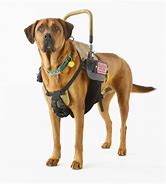
Thoughts: Over the years I have been associated with several working dogs. When I lived in California, I worked with a group who acted as surrogates and trainers for seeing eye dogs and I arranged to provide indoor training in the large auditorium where I worked. When I met Melissa, her Sheltie had been trained as a working dog to sit with grade school children and let them read to her. Both training programs were long and rigorous and some of the young pups washed out of their training and were adopted by other owners. If you see a working dog in a public space keep in mind, they are not to be approached and petted. They are on duty providing for the needs of their owner and your interference distracts from their vigilance. Act for all. Change is coming and it starts with you.
 A travelers odyssey