
July 18, 2023
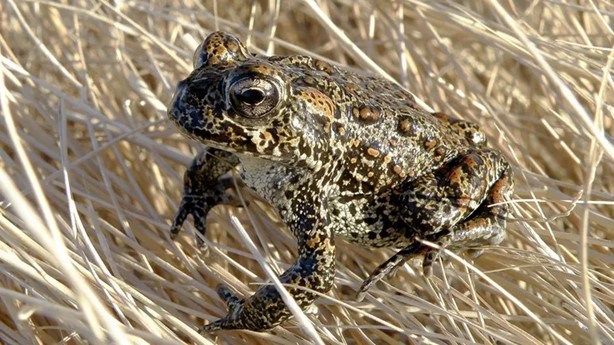
The back page article of yesterday’s newspaper reported on a conservationist victory as federal officials have decided to “revisit” the 2021 environmental review that cleared construction of a geothermal power plant in Nevada where an endangered toad lives. Environmentalists and tribal leaders suing to block the project said the move will trigger a third review of the partially built power plant that the Bureau of Land Management (BLM) approved in December 2021. The Center for Conservation Biology had joined the Fallon Paiute-Shoshone Tribe to sue the BLM in Reno’s federal court in January 2022. The US Fish and Wildlife Service declared the Dixie Valley toad endangered on an emergency basis that April and then made the listing permanent in December. The conflict underscores challenges faced by the current administration which has repeatedly vowed to protect fish and wildlife while also pushing development of green energy projects on federal lands to combat climate change. The Justice Department represents the BLM and has yet to specify their next action. At best, it will be several months before construction of the Dixie Meadows plant can resume. So far, it is a win for the little toad.
When I went online, I found the Dixie Valley toad (Anaxyrus williamsi or Bufo williamsi) is a species of toad in the family Bufonidae indigenous to Churchill County, Nevada (US). The toad was the first new toad species described in the US since description of the (now extinct in the wild) Wyoming toad (A. baxteri) in the 1970’s. The Dixie Valley toad was originally considered an isolated population of the common western toad (A. boreas) until physical and genetic analyses found it to be a separate species in 2017. The toad is descended from an ancestor that inhabited the large lakes and wetlands that covered the Great Basin in the Pleistocene until the receding water isolated the different populations, leading to speciation. The toad is only found in a small complex of spring-fed marshlands in Dixie Valley. The surrounding area is largely arid land with few aquatic resources, isolating the toad. The spring complex in Dixie Valley is one of the hottest and most geothermally active systems in the region.
Dixie Valley (Paumu in Paiute) is a vast area spanning nearly 3,000 square miles near Fallon, Nevada, tucked between the Stillwater mountains to the west and the Clan Alpine mountains to the east. The Fallon Paiute-Shoshone Tribe used the quiet valley to gather medicinal plants and other resources, put their dead to rest, and to find respite and healing among the mountains. “When you’re out here, we ask people to be respectful because you just don’t know if you’re walking into one of the oldest churches in North America,” said Donna Cossette, a former tribal chairwoman. Ancestors of the tribe have lived in the region for 10,000 years. There are currently 1,562 enrolled members of the tribe, with 657 living in the tribe’s reservation. In addition to the hot springs frequented by tribal members for ceremonies and healing, the area now includes a geothermal plant, a few scattered ranches, an endangered toad, and designated space for a Naval air station 68 miles (109 km) away. In March 2022, leaders for the Fallon Paiute-Shoshone tribe traveled to Washington D.C. in a bid to protect their sacred valley by designating the area a national monument. This would be Nevada’s fifth and the largest in the continental US.
Thoughts: Indigenous tribes have been consistently moved or destroyed since European immigrants began to arrive in the Americas in the fifteenth century. The moves were forced, and the locations deemed of little value to the invaders. When gold, oil, or other resources were located on these lands they were again taken and the treaties “renegotiated”. The sacred land of the Dixie Valley may not save it from exploitation, but that may change because of an endangered toad. Act for all. Change is coming and it starts with you.
 A travelers odyssey