
July 26, 2023
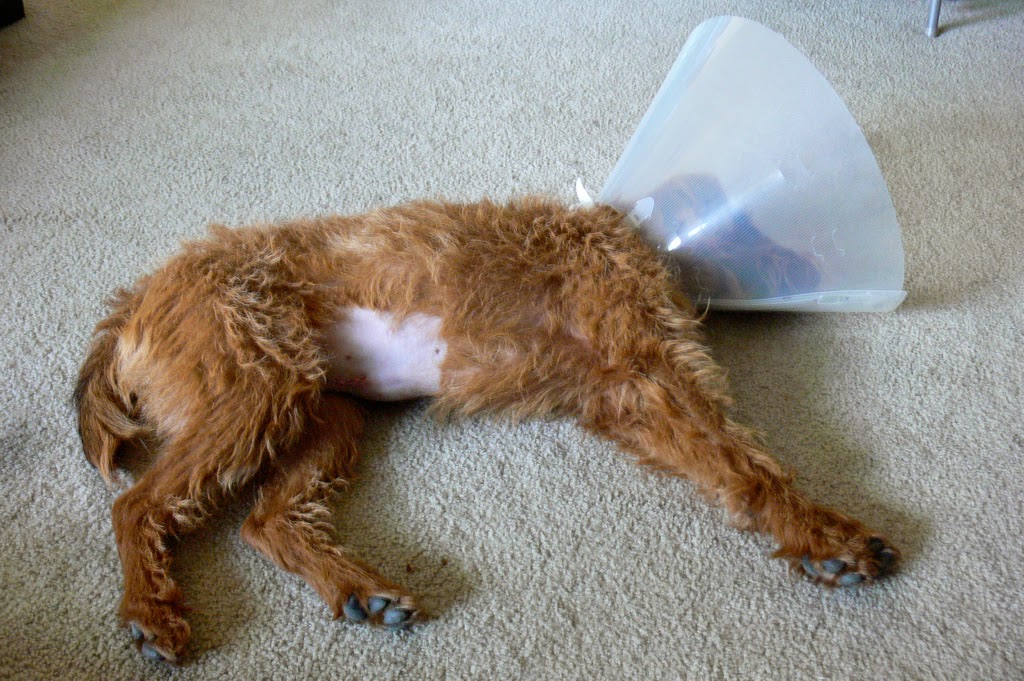
Photo via Jodie Wilson
Today was the day we had scheduled to get the kids spayed and neutered. This is not only a good way to keep unwanted dogs and cats from being born, but also the law in our area. While Loki was bred and registered, we suspect Zena was the result of a fence jump. If the animal is running loose and captured by the pound it is spayed or neutered (at the owner’s expense) before it is returned. Animals that are raised for breeding purposes must always be restrained, and if they escape the owner is subject to a fine of US$150. The ordinance was put in place to combat the growing problem of feral cats roving the city. Although stray dogs are a problem in other areas, they seem to be added to this ordinance to address the issue before it becomes a problem. What is the responsible thing to do?
When I went online, I found there are more than 200 million stray dogs worldwide, according to the World Health Organization. The American Society for the Prevention of Cruelty to Animals estimates about 3.3 million dogs enter US animal shelters every year. In Houston, Texas, alone, there are more than 1 million stray dogs, according to the city’s pet shelter, BARC. After Hurricane Harvey hit in 2017 thousands of dogs were rescued from the floodwaters. The no-kill movement has contributed to the population growth, as the number of dogs and cats that are euthanized has decreased from 20 million to 3 million each year. NPR reported there are nearly 14,000 shelters and pet rescue groups in the US that acquire almost 8 million animals each year. Spay and neuter laws vary by state and have also driven the increase of abandoned dogs, especially in more rural, southern states. Stray dogs can present safety issues when they roam in packs, causing traffic accidents, attacking residents, and spreading disease. America’s cats, including housecats that adventure outdoors and feral cats, kill between 1.3 billion and 4.0 billion birds in a year. What is the responsible thing to do?
When we took the kids in this morning one of the first questions asked was, “Have both dogs been microchipped?” Microchipping your pet is another way to keep them safe, and in our area is also required. If your pet runs away or gets lost the vet can run the microchip and find out who the owner is. Apparently, a con artist in the northwest part of our state has been using this information to scam money from pet parents. The Lester C. Howick Animal Shelter of Washington County (WCAS) released a statement after Facebook posts claimed that a scammer posing as an employee of the shelter is contacting those in the area with missing pets and asking for money to return the animals. The man had been stealing information from microchip websites and lost pet flyers to scam the heartbroken pet parents. WCAS’s official statement says, “For the record, we will never ask you to pay . . . If you receive a call from the Washington County Animal Shelter, it will be from our phone number.” The scammer has turned a good resource into the mark of the beast. What is the responsible thing to do?
Thoughts: I was torn about taking the kids to be fixed and they both seemed to know it. Loki became a terror scrambling in the waiting room and both were able to work their way out of their collars. Zena remembered her recent visit for shots and wanted no part of going to the back room. It will probably take awhile for them to forgive me, and they will need extra love over the next week. While neither of our dogs are rescues they were both acquired as last resorts from their breeders. Being a pet parent is a responsibility and that comes with both the good and the hard for your pets. The same is true for being a human parent. Being able to have children is not the same as being responsible enough to care for them. Act for all. Change is coming and it starts with you.
 A travelers odyssey