
July 28, 2023
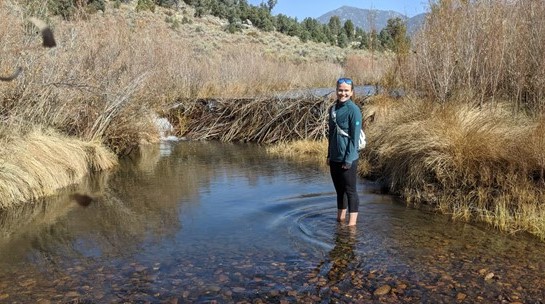
Several years ago, I blogged about the restoration of beavers to Scotland after they had been hunted to extinction four centuries earlier. Beavers are now a protected species, and while there are still those who object to their presence, the wetlands created are a protection against wildfires and provide a significant source of ecotourism. Yesterday’s newspaper had an article reporting on California coming to the same conclusion. California officials have begun to pay close attention to the beavers’ ability to help combat the impact of climate change. California launched its new Beaver Restoration Program in 2022, which sees beavers as a nature-based aid for boosting biodiversity and mitigating wildfire risk. And now, a new policy from California’s Department of Fish and Wildlife calls beavers a “keystone species,” highlighting their important role in upkeeping ecosystems. A keystone species is a species that plays a critical role in maintaining the diversity and health of an ecosystem, and the removal of the species results in a cascade of impacts to the ecosystem.
When I went online, I found beavers influence their environment to utilize resources, particularly with dam building. The dam raises the water level to keep the beavers safe to forage, cache food under water for the winter, and to increase protection around their lodge. The ponds become a habitat for critical and endangered species of animals and plants. Hole nesting birds use the waterlogged trees that rot and create nesting habitat which is usually in critically short supply. The wetlands are a haven for amphibians, and wildfowl find particular benefit from the beaver ponds for feeding and nesting. The thousands of insects and invertebrate species benefit from beaver wetlands in one way or another. The beaver dams are so efficient at retaining sediment that beaver wetlands eventually silt over and become “beaver meadows”. These meadows are a virtual oasis for wildflowers and the rich mineral deposits left in the meadows offer optimal foraging for deer and other species. The meadow is eventually invaded by alder, willow, and ash trees, arguably the most ecologically rich woodland type available. Rather than a pest and nuisance, beavers are pivotal in combating climate change and the wildfires that decimate California and our world on an annual basis.
California experienced the over trapping, attempts at reintroduction, and removal by depredation (damage) permits that faced Scotland. Beavers are now largely located in the Central Valley and northern part of the state. While the number of beavers living in California is unknown, hundreds of permits are sought by landowners annually. Kate Lundquist, director of WATER Institute, said the past three years of drought and wildfires have contributed to the motivation to fund and implement nature-based climate solutions. “Beaver restoration is just that (sort of solution).” California will continue to issue depredation permits but the state wants people to try other solutions before killing the animals. These include wrapping trees with wire mesh or using flow devices on the dams to control the pond levels and prevent flooding. California has two pilot relocation projects planned. One will bring beavers back to the Tule River in partnership with the Tule River Indian Tribe. The project has been in the works for ten years and they hope to reintroduce beavers later this year (2023).
Thoughts: Even with Scotland’s growing ecotourism industry and government support, the 2022 Beaver Management Report by NatureScot stated 63 beavers were killed and 108 dams removed under license. Another 15 beavers were translocated within Scotland. This is mirrored by the hundreds of permits sought annually in California despite government support for beaver conservation. Until humans put aside the immediate monetary gain in favor of long term protection of the planet, we will continue to move closer to midnight on the doomsday clock. Act for all. Change is coming and it starts with you.
 A travelers odyssey