
August 8, 2023
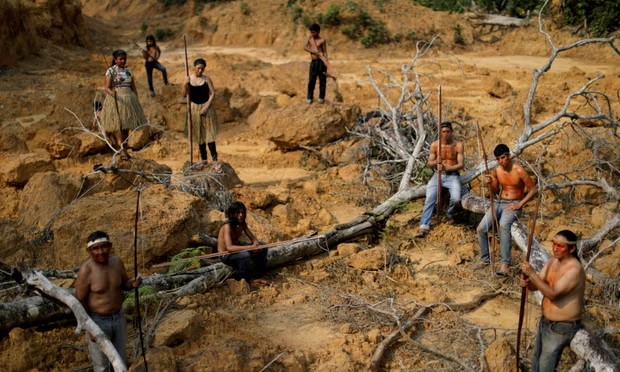
Photograph: Ueslei Marcelino/Reuters
The nation and world section of today’s local newspaper lead with the summit being held in Brazil this week. For the first time in 14 years the presidents of the eight countries and one territory that are home to the Amazon rainforest met in Belem, Brazil, to discuss a common course to protect the rainforest and address organized crime. The45 year alliance known as the Amazon Cooperation Treaty Organization has been ineffective and only met three times previously and three of the countries did not send representatives to this summit. This is Brazilian president Luiz Inacio Lula da Silva’s second attempt to bring the coalition together to address the deforestation of the rainforest. During his first presidency in 2009 da Silva called a similar summit that was only attended by one other president and the president of France (French Guiana). Peru is also seeking an agreement to attack drug trafficking and other illegal activities that plague the area. While outside the official summit, 20,000 Indigenous peoples and others from different Amazon countries have scheduled 400 parallel events to bring attention to the crisis.
When I looked online, I found the deforestation of the rainforests continues relentlessly, prompting concerns governments will not meet a COP26 deal to halt and reverse deforestation by the end of the decade (2030). COP stands for “Conference of the Parties”, and the one in Glasgow was the 26th annual summit. Ahead of the conference, 200 countries were asked for their plans to cut emissions by 2030. COP26 was the moment countries revisited climate pledges made under the 2015 Paris Agreement where they were asked to make changes to keep global warming “well below” 2C (3.6F) and try to aim for 1.5C (2.1F). The goal is to keep cutting emissions until they reach net zero by mid-century. COP27 was held in Egypt in 2022 and is scheduled for Dubai in November 2023.
The Cop26 decision came in November of 2021 after a year where the Brazilian Amazon and Congo basin rainforest lost 11.1 million hectares of tree cover, including 3.75 million hectares of primary forest critical to limiting global heating and biodiversity loss. The world’s Boreal forests also experienced a record loss driven by the worst wildfire season in Siberia since records began. Experts called the continued deforestation a disaster for action on global warming and said the 143 governments that pledged to halt and reverse forest loss by 2030 at Cop26 held in Glasgow, had to urgently make good on their commitment. The countries agreed to pledge further cuts to emissions of carbon dioxide (CO2), a greenhouse gas which causes climate change. The agreement attempts to reduce coal (40% of annual CO2) by a commitment to “phase down” rather than “phase out” after an intervention by China and India. The agreement also pledged to significantly increase money to help poor countries cope with the effects of climate change and make the switch to clean energy. There is the prospect of a trillion dollar a year fund from 2025. This comes after a previous pledge for richer countries to provide US$100 billion (£72bn) a year by 2020 was missed.
Thoughts: Climate change agreements face pushbacks from three areas. The wealthier Western countries industrialized early and substantially raised the CO2 levels burning coal oil, and gas. Eastern nations entered later but now produce equal or higher levels of emissions as they ramp up industrialization. The loser is the poorer nations who have not significantly industrialized, are now being asked to use more expensive sources of fuel when they do industrialize, but also suffer more from the effects of global warming. That is the reason for reparations, and a stumbling block to both the East and West. When we acknowledge (and pay for) past actions, it only grows more expensive as we wait. Meanwhile, the rainforest disappears. Act for all. Change is coming and it starts with you.
 A travelers odyssey