
September 08, 2023
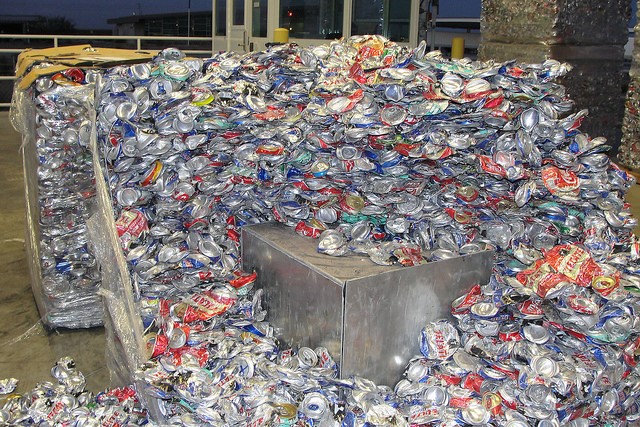
Today I did something I never thought I would do; I took my aluminum cans to the city recycling center rather than turning them into cash. I had been in a conversation with my brother earlier this year and he told the story of saving his aluminum until he had several full bags and then taking them to the recycling center, only to be appalled by how little cash he received (US$.35 to .40 per pound). Now he puts the aluminum cans in the city recycling and avoids the mess in his garage. The last time I took my aluminum to recycling I had waited until I had collected eight 30 gallon (113.5 liter) trash bags. They took up an entire side of my garage. I received a higher price since my weight met the limit of 100 pounds (45 kg), for a total of US$40. That covered my storage and 50 mile round trip to recycle my aluminum. I still recycle my aluminum but have decided to let the city use the money to pay for their other recycling.
When I looked online, I found rumors that the pull tabs on cans are the only part of the can made from pure aluminum. According to Alcoa, aluminum from recycled cans and tabs is identical to the aluminum smelted from ore, and the can is as valuable and recyclable as the tab. One pound of aluminum equals 33 empty cans or 1,500 pull tabs. Many national and local charities opt to only collect aluminum tabs, but the reason seems to be less storage and no messy beverage residue. If you donate the aluminum tabs to a charity, you also need to recycle the rest of the can. If you recycle for cash, you can donate what you are paid for recycling your aluminum cans. According to the Environmental Protection Agency (EPA), making new aluminum cans from recycled ones saves 92 percent of the energy required when making cans from bauxite ore and recycling aluminum cans cuts down on the waste stream.
Aluminum is a pure or non-ferrous metal. Non-ferrous metals are often flexible, do not contain iron, are resistant to corrosion and rust, and do not lose their chemical properties during the recycling process. There are seven different types of aluminum that are recycled. Aluminum cans are the most common for recycling. Aluminum is widely used in the manufacture of soda and food cans, but their high supply means a relatively low value. Sheet aluminum includes things like lawn chairs, window frames, jacketing from MC cable, or light gauge pots or pans. Cast aluminum has been poured into a mold and includes items like BBQ grills or larger light pole bases. Aluminum wire is often mistaken for copper, but if the wires are silver and are not magnetic, they are likely aluminum. Aluminum is not as valuable as copper wire but is still worth recycling. Aluminum gutters or siding are common and are usually brought in by contractors or roofers. Aluminum rims for automobiles and trucks are common, but be sure to remove rubber ties or lead wheel weights before bringing them in. The last type of aluminum is called dirty aluminum and refers to any type of aluminum with steel, rubber, or plastic attached. If there is any non-aluminum attached or mixed in with the “clean” aluminum, you will receive a reduced price as the aluminum must be cleaned by the scrapyard. Aluminum recycling is more than cans.
Thoughts: In 2018, the total recycling rate of aluminum containers and packaging was 34.9% with most recycled aluminum coming from beer and soft drink cans (50.4% or 0.67 million tons). The landfills received another 2.7 million tons of aluminum, or 1.8% of total waste landfilled. The total MSW in 2018 was 292.4 million US short tons, or 4.9 pounds (2.2 kg) per person per day. Of that 69 million tons were recycled, and 25 million tons were composted. Recycling aluminum could have reduced another two-thirds of aluminum produced and nearly 2% of excess landfill. This would make a tremendous impact on the waste stream. Act for all. Change is coming and it starts with you.
 A travelers odyssey