
October 13, 2023
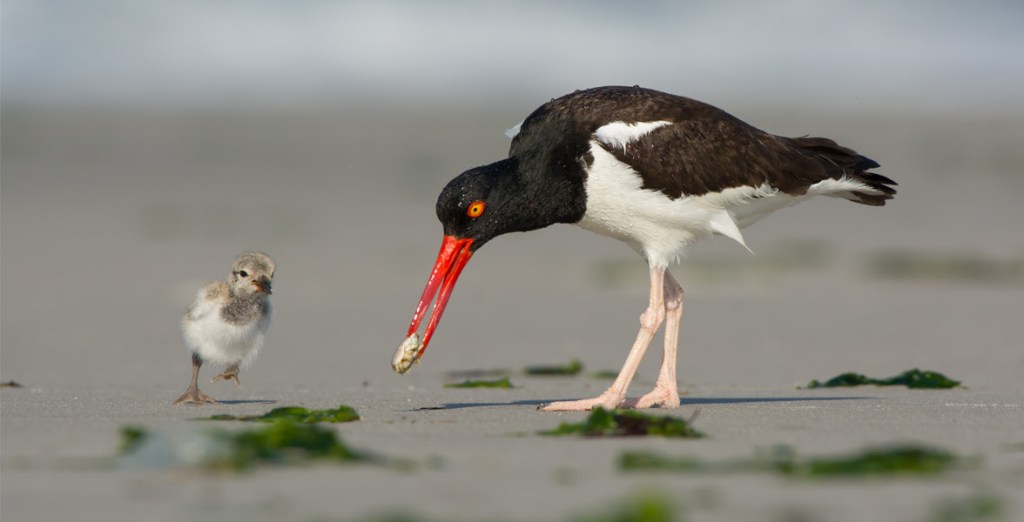
The lead story in October’s “Audubon Advisory” concerned a bipartisan bill in the US Senate that advanced out of the Senate Committee on Environment and Public Works on September 27, 2023. The bill, Strengthening Coastal Communities (SCC) ACT of 2023, was jointly bill introduced by Senators Tom Carper (D-DE) and Lindsey Graham (R-SC). The legislation will update and modernize the Coastal Barrier Resources Act, a law that for more than 40 years has protected undeveloped beaches, wetlands, and other coastal areas while saving taxpayers billions of dollars. Portia Mastin, coastal conservation policy manager at National Audubon Society, said, “Birds and people urgently need more protection on our coasts from storms and flooding. This bill meets that challenge by extending the benefits of the Coastal Barrier Resources Act to more areas along the coast and will also identify the areas where marshes and beaches can naturally migrate inland as sea levels rise.” If this bill is not enacted the country will risk losing many of the wetlands for birds, and the storm buffers protecting development along the coast.
When I checked online, I found the Coastal Barrier Resources Act (CBRA) was established in 1982 and prevents most federal spending in flood-prone coastal areas. The current CBRA system includes 3.5 million acres (1,416,399 ha) of undeveloped barrier islands, beaches, inlets, and wetlands along the Atlantic Ocean, Gulf of Mexico, Great Lakes, Puerto Rico, and the US Virgin Islands. In 2022, the Department of the Interior recommended that Congress add over 277,000 acres (112,097 ha) to the CBRA system in the nine states hit hardest by Hurricane Sandy to save federal tax dollars offer and better protect the Atlantic Coast from New Hampshire to Virginia against future storms. The SCC Act will implement those recommendations and add new protected areas to the system in other states that are vulnerable to storms and sea-level rise, including South Carolina, Florida, and Louisiana. The Act will also authorize a pilot project to identify new upland areas where beaches and marshes can naturally migrate as sea levels rise, along with expanding the definition of coastal landforms included.
A recent study found that CBRA is highly effective at achieving its intended goals. The 1980’s bill reduced coastal development by 85% in flood-prone areas, reduced flood damage in nearby human communities by 25%, and added an ecologically important layer of protection for these established human communities. The protection also ensures threatened species of coastal birds like the American Oystercatcher (Haematopus palliatus) and Piping Plover (Charadrius melodus) that rely on these areas can nest, feed, and rest safely. When environmentally healthy, the protected habitats act as nature’s speed bumps, buffering nearby communities from storms and floodwaters. While neither act prohibits construction (and destruction of the natural buffers), they do remove taxpayer-funded subsidies for development in hazardous coastal areas. The CBRA promotes public safety and has already saved federal taxpayers nearly US$10 billion over 25 years. The SCC Act will extend protections further.
Thoughts: Alongside the least tern (Sternula antillarum), piping plovers have an unusual relationship with coastal mining. Where most species suffer habitat loss from mining activities, these birds are known to nest in the waste sand piles generated by nearby mines as the replacement for lost sand bars along coastal areas. The sand piles remain topped-up and hostile to vegetation while the mining activity continues. Modern mining practices now transport much of this waste sand to more remote areas or reuse it commercially, which limits colonization opportunities for these birds. Abandoned mines often serve as construction sites for housing developments. That means bird habitat and sand dune buffers are removed and the areas become vulnerable to storm surge and flooding. Protecting coastal habitat is good for both humans and birds. Act for all. Change is coming and it starts with you.
 A travelers odyssey