
November 05, 2023
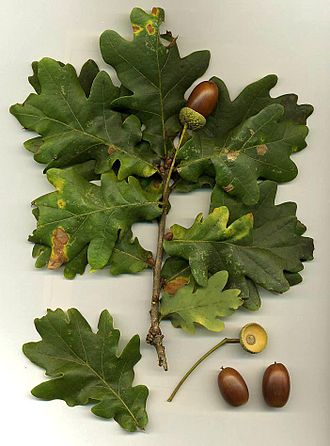
Now that the weather has turned colder, I have been surprised by the lack of birds frequenting my feeders. Although I have had a pair of Eurasian Collared-Doves (Streptopelia decaocto), the only other visitors have been the gray squirrels (Sciurus carolinensis) that are stocking up seeds for the winter. I have read that this may be a good fall for the squirrels and others who rely on the seeds and nuts to get through the harsh times of winter. The oak (genus: Quercus), beech (genus: Fagus) and walnut (genus: Juglans) trees across large swaths of the US are unleashing a tremendous crop of acorns, hickory nuts and other hard seeds. During these boom times a single oak tree can shed more than a thousand acorns, despite producing few seeds in previous years. This coordinated overproduction of seeds across species is called masting.
When I looked online, I found masting refers to the synchronized and highly variable production of seeds. Dozens of tree species participate in masting, but how and why thousands of individual plants across thousands of square miles seem to coordinate their reproduction has stumped scientists and nature observers for centuries. The strategy has a few clear benefits, including overwhelming predators who eat seeds. While this might explain why masting evolved, how trees are able to coordinate this event remains a mystery. Weather conditions likely play a role in triggering masting, but different species exhibit different masting cycles and put out seeds based on differing conditions. The association between weather and masting has sparked folklore, including that a big acorn crop means a harsh winter, although there is no clear correlation. Why so many trees are masting this year is also not clear.
Trees have evolved with the ability to turn sunlight, water, soil, and air into seeds and nuts to propagate their genes into the next generation. Conversely, squirrels, birds, and other animals impede this goal by eating the seeds. While trees cannot physically fight back, they do have other ways of overcoming these predators. By releasing seeds in boom-or-bust cycles, trees can overwhelm predators through sheer numbers, pumping out more seeds than squirrels and others could possibly eat to ensure that some will eventually sprout. The intervening years without masting then tend to starve the trees’ enemies by producing few or no seeds. The down years also allow the tree to build up the resources needed for another round of masting. Masting may also help trees with mating, especially species that just depend on wind to carry pollen. Species that flower all at once saturate the air with pollen, and months later the resulting seeds all get shed at once.
Thoughts: Understanding how trees coordinate masting is an enigma. One idea is the trees are all “listening” for the same environmental cues and when a given area experiences the right conditions, all the individual trees experience roughly the same conditions. Another intriguing idea is that the trees are talking to each other. Research has shown trees can signal each other when there are predators around, but there is not much evidence this also occurs with reproduction. The modern scientific era taught us that humans use of tools and communication were what differentiated us from other species. Later research has shown many animal species use tools and both animals and plants communicate. The problem was our feeling of superiority and needing to be set apart from the greater world, and a lack of comprehension of how it worked. Not knowing how masting works does not mean it does not happen. The intricacies of life and the lessons we can learn from nature are lost when humans destroy the natural environment in the name of “progress”. Act for all. Change is coming and it starts with you.
 A travelers odyssey