
December 26, 2023
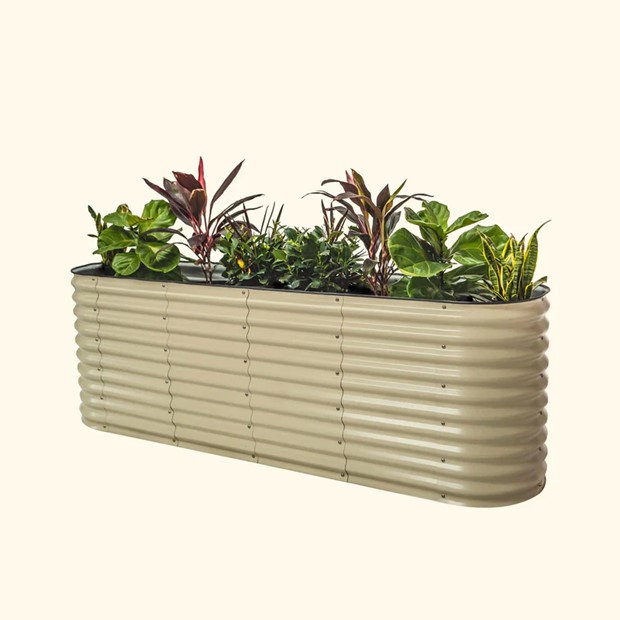
I had a quiet and relaxing Christmas (hope those who celebrate did as well). We are usually away at someone or another’s house but none of that worked out this year and this is the first time in four years I was not working. I instead sat around and watched football, with several games on each of the last five days. I did not think it could happen, but I found out there is too much of a good thing, even though most of the games were fun to watch. On Christmas morning Melissa and I took our time getting up and going (MUCH different without human kids) and then made breakfast of link sausage and French toast. Luckily, we had leftover French bread (unsliced) from the night before that allowed me to cut thick slices for the toast. Now that it is just the two of us, we like to have scavenger hunts for the other to find their present. While my hunt took Melissa all over the house, her presents for me were too big to move around. Instead, my brother had drafted riddles for me to figure out and then Melissa would bring out the boxes. I have been researching raised beds prior to setting on the grow bags I used last year. The bags had worked great, but after the season they became a tasty snack for Loki. Since my gift was raised beds made of steel, I do not think Loki will be able to dismantle them.
When I checked online, I found Raised bed gardening is a form where the soil is raised above ground and enclosed in some way. The Raised bed can be made of wood, rock, concrete, or other materials, and formed into any size or shape. The soil is usually enriched with compost and other amendments. A raised bed can contain flowers, but they are most often used to grow vegetables in patterns that allow the plants to be closer together than conventional row gardening. The spacing allows the mature vegetable leaves to barely touch each other. This creates a microclimate where weed growth is suppressed and moisture is conserved. Raised beds can be effectively used to control erosion and recycle and conserve water and nutrients if built along the contour lines on slopes. Raised beds are compatible with square foot gardening (dividing the growing area into small square sections, typically 1 foot (30 cm) on a side) and companion planting (planting different crops in proximity).
Untreated lumber is the most common material for making raised beds. If treated lumber is used it is recommended to use a plastic liner to avoid the chromated copper arsenate (CCA) common in the US and Europe since 2004. Railroad ties (sleepers) are also used with steel rods to hold them in place. Concrete blocks are less aesthetic but are inexpensive and easy to use. Prefab raised beds are becoming popular and are made from polyethylene that is UV stabilized and food grade so it will not leach toxic chemicals and a double skinned wall provides insulation to minimize temperature fluxes and drying out the soil. Raised beds can be covered with clear plastic to protect the crops from wind and strong rains. Manufactured raised beds can also be made of wood, metal, stone, and plastic. Regardless of material, raised beds have the benefit of extending the planting season, reducing weeds (done properly), ensuring the quality of soil, and since the soil is not compacted by the gardener the roots grow easier.
Thoughts: Melissa gave me two types of raised beds. One was 17 inches (43 cm) and the other 32 inches (81 cm) tall. It said on the website the taller raised bed “enables the elderly and physically disabled to grow vegetables without having to bend over to tend them”. I had to wonder where I fit into that depiction. I see raised beds as the next step toward building a sustainable garden. Unlike my grow bags, once I get my raised beds in place, they should last several decades and will not be moving. I hope the next owner likes to garden. Act for all. Change is coming and it starts with you.
 A travelers odyssey