
January 16, 2024
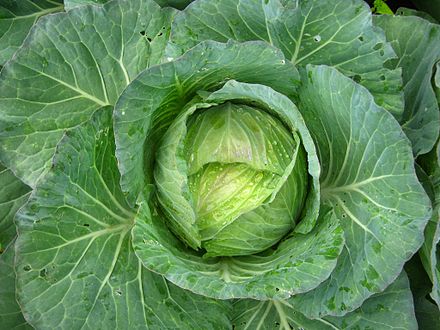
Located inside the back section of my local newspaper was an article on a Louisiana woman who set the record for growing the state’s largest cabbage. Jenny Bourg lives about an hour southwest of New Orleans and grew the giant Sapporo cabbage in her backyard. The record was verified by the Louisiana Department of Agriculture and Forestry (LDAF). Bourg has been a gardener all her life and said she could not remember a time when she was not planting fruits and vegetables. “My mother lived to the age of 90 and I was very fortunate to be able (to) get her wise gardening advice for many, many years.” The giant cabbage had grown from a seed Bourg planted in July and when it was harvested on December 21st, the LDAF measured it. The vegetable had a circumference of 7 feet 2 inches (2.18 m) and weighed 44.115 pounds (20.0 kg). The previous Louisiana state record was held by a New Orleans third grader, Macyn Bertucci, who won the competition with a 28 pound (12.7kg) cabbage in 2018. Bertucci won a US$1,000 savings bond from Bonnie Plant, a greenhouse facility that sells fresh fruits, vegetables, and succulents. Bourg got to eat lots of cabbage.
When I looked online, I found cabbage (Brassica oleracea) is a leafy green, red (purple), or white (pale green) biennial plant grown as an annual vegetable crop for its dense-leaved heads. The vegetable is descended from the wild cabbage (Brassica oleracea var. oleracea) and belongs to the “cole crops” (brassicas). Cabbage is closely related to broccoli and cauliflower (var. botrytis), Brussels sprouts (var. gemmifera), and Savoy cabbage (var. sabauda). A cabbage generally weighs between 1 and 2 pounds (500 and 1,000 g). Green cabbage is the most common while purple cabbages and crinkle-leafed savoy cabbages of both colors are rarer. Cabbage was domesticated somewhere in Europe before 1000 BCE. Cabbage was described as a table luxury in the Roman Empire and by the Middle Ages had become a prominent part of European cuisine. By the 17th and 18th centuries cabbage was a staple food in central, northern, and Eastern Europe, and used by European sailors to prevent scurvy during long ship voyages at sea. Cabbage was exported to the Americas, Asia, and around the world early in the modern era.
As big as the Louisiana cabbage was, it is dwarfed by the world record cabbage. The long summer days of the northern latitudes allow the cabbage to grow quite large. The Guinness World Record for the heaviest cabbage was 138 pounds 4 ounces (62.71 kg) grown by Scott Robb of Palmer, Alaska, 40 miles (64.4 km) northeast of Anchorage in 2012. Cabbage heads are generally picked during the first year of the plant’s life cycle, but plants intended for seed are allowed to grow a second year and must be kept separate from other cole crops to prevent cross-pollination. Cabbage is prone to several nutrient deficiencies, multiple pests, and bacterial and fungal diseases. To honor her win, Bourg turned her record-setting cabbage into casseroles and served it with ham. Even after sharing the dish with her neighbor, she is officially “tired of eating cabbage”.
THOUGHTS: Growing up my mom kept a 5 gallon (18.9 liter) crock in the basement to ferment our garden cabbage into sauerkraut. While I do not recall eating the cabbage at a meal, I do recall sneaking into the basement and stealing “tastes” of the mixture from the jar. Now that I have my raised garden beds I may need to try and grow cabbage for myself. I already have a crock. There are several Guinness Book of World Records entries related to cabbage. These include the heaviest cabbage (above), heaviest red cabbage (69 pounds 11 ounces/31.6 kg), longest cabbage roll (64 feet 1 + 1/2 inches/19.54 m), and largest cabbage dish (6,526 pounds/2,960 kg. I am sure all these records required “sharing with a neighbor”. Act for all. Change is coming and it starts with you.
 A travelers odyssey