
January 18, 2024
Our toilet stopped up last night. This does not happen often, and I consider unstopping a toilet one of the few handyman activities I am capable of. The last time it happened I tried everything. I tried heavy plunging, used drain cleaner (yes, the package says not to), and even tried a coat hanger (scratched the porcelain), but to no avail. Of course, this was over a holiday weekend, so I told the plumber not to bother until after the holiday was over (avoiding overtime rates). He sent his drain clearing person to resolve the issue the following Tuesday. The man stuck a plunging snake into the bowl and the clog was gone three minutes after his arrival. I think it took longer for me to get the bill and write the check than for him to clear the clog. This time I was determined to resolve the clog on my own and save the money.
When I looked online, I found a survey by American toilet manufacturer Kohler Co. in July of 2004 found 27% of 1,000 adults claim to experience a toilet clog each month, and sometimes up to three times. That translates to an estimated 28 million clogged American toilets per month. The study also found that 57% of the respondents said their fixtures were more than 10 years old. The 1994 Energy Policy Act brought the flush rate down to 1.6 gallons-per-flush (6.0 lpf). Kohler suggested since there have been so many new developments in toilet design homeowners may want to consider upgrading their toilets every five to 10 years to keep up with new technology and low-flow water regulations (and sell more toilets?). The survey also found the Northeast boasts America’s oldest toilets (23% older than 20 years) while the newest toilets are found in the West (56% less than 10 years old). That probably relates to older established housing in the Northeast and new construction in the West. Drought-suffering states in the West are more likely to provide incentives to install water-conserving fixtures. In households with children, 34% had replaced their toilets within the past five years and nearly 20% of Americans had attempted to install a toilet by themselves. I think the key word is attempted.
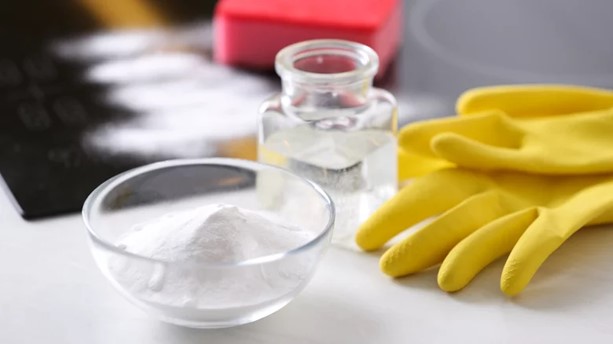
When the last clog happened, Melissa suggested her dad had purchased a drain snake and it may still be in the garage. If it is, I could not find it. We have needed a snake on other occasions for different projects (drains and dryer vents). The dryer vent especially requires a much longer auger than a sink or toilet often do. I got bound up in manual verses power (drill) driven, toilet verses water line, 25 foot (7.6 m) verses 6 foot (1.8 m), and just called the plumber. While I started down that rabbit hole again this time, I also came across Bob Villa’s “7 ways to unclog a toilet without a plunger”. I tried several suggestions, baking soda and vinegar and then hot water and soap, but neither worked. I finally went to the hardware store to purchase a snake. The one good thing is all my activity buffed out the scratches from the coat hanger I used the last time we had a clog.
THOUGHTS: I found two disclaimers on the clog removal I used. You should not use drain clog products in toilets because they contain chemicals that damage the porcelain, your pipes, or disrupt the chemical balance of your septic system. There are products for toilet clogs. The other was to use hot (not boiling) water along with soap. Boiling water may melt the wax ring that seals your toilet, and if it melts it will need to be replaced. All may result in significant repair costs. It seems every time I get involved in DIY, I learn why I am not qualified. That means I either need training, or I go to those who have been trained. Measles is highly contagious and considered the “canary” when herd immunity is compromised. There are 54 confirmed cases in Washington state alone and five outbreaks across the US this year. That is in addition to the rising numbers of covid and flu cases. Our herd is going the wrong way. Act for all. Change is coming and it starts with you.
 A travelers odyssey