
January 19, 2024
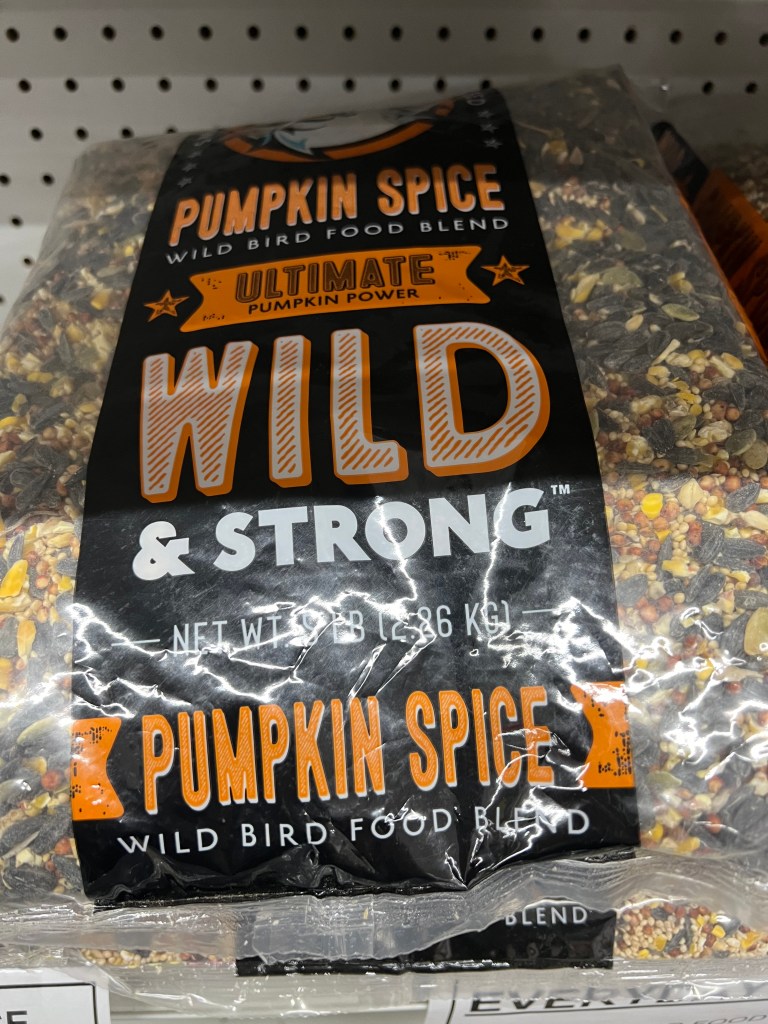
I have mentioned how I tend to practice daily intermittent fasting by skipping breakfast and refraining from eating until after noon, but that does not include coffee. I like to have two cups of coffee (black) when I wake up. My preference is to buy Lanna Fair Trade whole bean coffee. This is ethically sourced from a hill tribe in Thailand that my parents worked with on two separate occasions over nearly 1-1/2 years. I also prefer the robust flavor of a dark roast over the flavored coffees that are popular. One of the popular flavored coffees is the Pumpkin Spice Latte offered by a national chain on a limited basis for two months in the fall. The drink’s popularity gave rise to an entire market of pumpkin spice products and today you can find pumpkin spice versions from hummus to hard seltzer, to marshmallows, to mac and cheese. When I was in the hardware store yesterday, I even found a fall version of pumpkin spice wild bird food blend with “ultimate pumpkin powder”. I wonder if this was marketed toward the birds or the birders.
When I looked online, I found the pumpkin spice craze can be divided into two eras, or before and after the introduction of the Pumpkin Spice Latte (PSL). Before the PSL, pumpkin spice referred to a blend of spices that was used to flavor pumpkin pie, often combining cinnamon, nutmeg, ginger, allspice, and cloves. This has long been part of the American baking tradition and Amelia Simmons’ 1798 reprint of her cookbook American Cookery lists two different recipes for “pompkin” pie, one with nutmeg and ginger and the other with allspice and ginger. In the 1930’s, companies like Thompson & Taylor Spice Co and McCormick & Company came out with a revolutionary pre-blended mix that meant bakers could buy one spice (container) instead of several. Thompson & Taylor’s version (1933) included nine spices. McCormick’s blend was originally launched in 1934 and includes four spices: cinnamon, ginger, nutmeg, and allspice. Starbucks launched the original PSL in October of 2003. It is now available around the world and is Starbucks’ most popular seasonal beverage, having sold over 424 million PSL’s in the US alone.
The pumpkin spice phenomenon is an intriguing psychological occurrence in the US. Many argue the pumpkin spice flavor itself is delicious. Ironically, pumpkin spice rarely has any pumpkin in them and are instead the toppings added to a pumpkin pie. Cinnamon is a natural aphrodisiac and is known to relax muscles and increase sexual desire. Nutmeg has aphrodisiac properties and a study on rats found extracts of nutmeg and clove stimulated the mounting behavior of male mice and significantly increase their mating performance. Nutmeg also acts with an antidepressant-like effect involving various aspects of the human nervous system. The strongest pull other than taste may be the pumpkin spice desirability due to its scarcity. Social psychology tells us that once something is “limited supply”, “seasonal”, or “for a short time only”, its desirability increases. This can lead to a bandwagon effect as people want to feel involved and part of the conversation. We may feel we belong when sharing our seasonal pumpkin spice.
THOUGHTS: Pumpkin spice is reminiscent of fall and is associated with coziness, with flannel, warm, fuzzy socks, and comfort. Fall is also a time of greater stability and predictability in schedules after the vacations of summer. Fall brings structure. Fall is expectation of Halloween, Thanksgiving, and the December holidays. As such, pumpkin spice speaks to us on a conscious and subconscious level. The use of persuasion to influence people and their response is as old as humankind. In today’s digital age this is no longer an art, but a science carefully tailored to individual preferences. Since I do not drink PSL, I did not buy the pumpkin spice bird seed. Your understanding of, “if Jimmy jumped off a bridge . . .” is insightful. Act for all. Change is coming and it starts with you.
 A travelers odyssey