
February 12, 2024
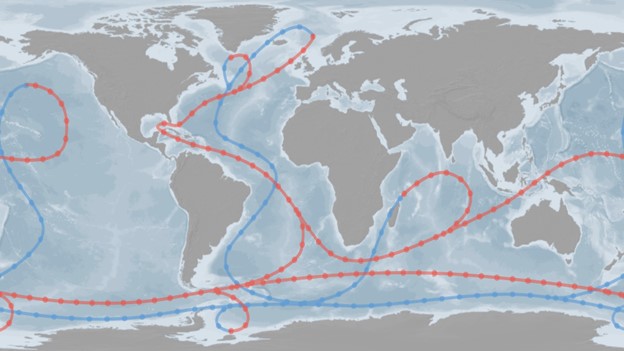
Inside the back section of my local newspaper, I came across a USA Today article on a pair of studies that show climate change is melting ice at an alarming rate. One study found fresh water from Greenland’s melted ice could upset a delicate balance that fuels weather for millions of people bordering the Atlantic Ocean. Scientists for the other study reported new fears about how quickly ice in Antarctica could melt causing a potential for dramatic and rapid rise in sea levels. Both studies warn that the melting glacier ice in both hemispheres has potentially dire consequences. The southern study published this week warns of how suddenly ice can melt in Antarctica, which can lead to dramatic and devastating sea-level rise worldwide. The northern study is based on a computer model simulation and renews fears about the stability of the critical current that powers weather and climate patterns in the US, Europe, and Africa. The study was published in the journal Science Advances. Previous studies have found that a collapse of the current is possible at some point this century. The ocean current in the Atlantic Ocean is called the Atlantic Meridional Overturning Circulation.
When I went online, I found the Atlantic Meridional Overturning Circulation (AMOC) is a system of surface-level and deep currents in the Atlantic Ocean which are driven by changes in atmospheric weather and ocean circulation driven by changes in temperature and salinity. These Atlantic currents make up one half of the global thermohaline circulation that encompasses the flow of major ocean currents. The other half is the of thermohaline circulation is the Southern Ocean overturning circulation, and both play critical roles in the climate system. The AMOC is characterized by a northward flow of warm, salty water in the upper layers of the Atlantic, and a southward flow of colder, deep waters. These currents are linked by regions of overturning in the Nordic and Labrador Seas and the Southern Ocean around the Antarctic. Climate change has the potential to weaken the AMOC through increases in ocean heat content and elevated freshwater flows from the melting ice.
Collapse of the AMOC would result from too much fresh water from the melting of the Greenland ice sheet and sea ice, combined with increased precipitation and river runoff. The AMOC collapse is a well-known climate tipping factor in climate change. To conduct the simulation, researcher René van Westen and colleagues at Utrecht University in the Netherlands simulated a gradual increase in freshwater input to the North Atlantic over the course of 2,200 years, which they said triggered an abrupt AMOC tipping event. The authors said they cannot even begin to estimate when it will collapse. “We can only say something about the direction to which AMOC is heading to. The physics-based indicator suggests that we are moving towards the tipping point.” Additional simulations and studies could provide details on how (and when?) the AMOC tips under climate change. If it were to collapse, it could bring about an ice age in Europe and sea-level rise in cities like Boston and New York, as well as more potent storms and hurricanes along the East Coast.
THOUGHTS: Shifts in the AMOC are at the heart of the fictional “Day After Tomorrow” climate change disaster movie from 2004. While the movie and the results depicted from the collapse are scientifically inaccurate, the flooding and storms predicted by the model are not. If we continue to raise global temperatures and melt fresh water glacial ice, there will be a future collapse. Being warned is not the same as doing something. Act for all. Change is coming and it starts with you.
 A travelers odyssey