
February 15, 2024
© Front Page Detectives
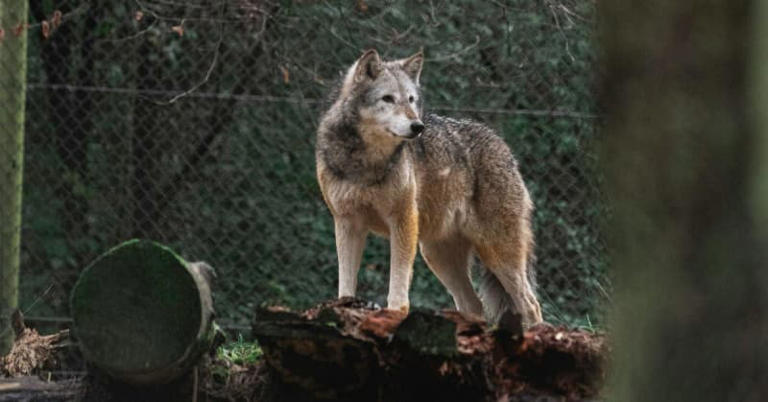
While scrolling I came across a February 5th report on how animals are thriving in the Chernobyl Exclusion Zone. The Chernobyl nuclear power plant exploded in 1986, releasing radioactive material into northern Ukraine and Belarus. It is the most serious nuclear accident in history and caused the evacuation of over 100,000 people due to the health risks from radioactive waste. Many still think of the area as a post-apocalyptic wasteland, but science tells us something different. While the land surrounding the plant is mostly off limits to humans, it has become a haven for wildlife, with Eurasian lynx (Lynx lynx), European bison (Bison bonasus), red deer (Cervus elaphus), and other animals in the thick forests. New research shows the population of wolves (Canis lupus) in the zone is genetically different from their counterparts outside of the region. Irradiated wolves seem to have developed mutations that increase their odds of surviving cancer. The Chernobyl Exclusion Zone (CEZ) covers 1,081 miles2 (2,800 km2) of Ukraine and represents the third-largest nature reserve in mainland Europe. The CEZ has become an iconic, if accidental, experiment in rewilding.
When I went online, I found the Chernobyl Exclusion Zone (CEZ), officially called the Chernobyl Nuclear Power Plant Zone of Alienation, is a designated zone around the site of the Chernobyl nuclear reactor disaster. The CEZ was established by the Soviet Armed Forces soon after the disaster, and initially encompassed a 19 mile (30 km) radius from the Chernobyl Nuclear Power Plant. The boarders have since been altered to cover a larger area of Ukraine. The CEZ borders another administered area, the Polesie State Radioecological Reserve, to the north in Belarus. The CEZ is managed by an agency of the State Emergency Service of Ukraine, while the power plant and its massive concrete and steel cap (sarcophagus) are administered separately. The CEZ is the area of highest radioactive contamination, and its purpose is to restrict access to hazardous areas, reduce the spread of radiological contamination, and conduct radiological and ecological monitoring.
Unlike humans, the gray wolves in the CEZ never left, and the local population has grown to seven times denser than populations in other protected lands in Belarus. This has led scientists to ask if the wolves are genetically resistant or resilient to cancer, or if the wolves are thriving because humans are not interfering with them. Cara Love, an evolutionary biologist at Princeton University, has been studying these wolves for a decade to try and understand how they survive. Love and her colleagues took blood samples from the wolves in 2014 to understand their reaction to cancer-causing radiation, and some were fitted with radio collars to gather information on their locations and exposure to radiation. The research showed the wolves are exposed to more than 11.28 millirem of radiation daily, or over six times the legal limit for human workers. Researchers also noted the wolves have altered immune systems (like patients undergoing radiation treatment) and genetic analysis suggests parts of the wolves’ genome have developed some resilience to cancer. Love hopes to use the findings to identify protective mutations that increase human odds of surviving cancer.
THOUGHTS: In 2023, scientists found the semi-feral dogs living in the CEZ were also genetically different from pet dogs elsewhere. Genetic mutations are changes to your DNA sequence happening during cell division. Mutations could lead to conditions like cancer, they may not have any effect on your health, or they could help the individual adapt to their environment over time. The wolves and dogs of the CEZ appear to have done the latter. As the mutation passes to subsequent generations, it becomes a normal part of the (wolf or human) genome and evolves from a gene variant into a normal gene. My physical anthropology friends told me this is part of the evolutionary process we are not yet able to understand. Love hopes to find out. Act for all. Change is coming and it starts with you.
 A travelers odyssey