
March 08, 2024
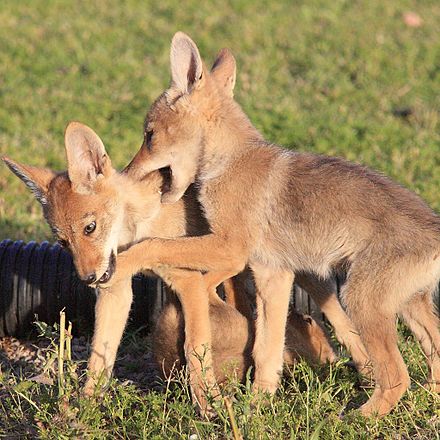
Last December I decided to become a member of the Sierra Club. I began my academic career hoping to become a wildlife biologist (Inorganic Chemistry did me in) and later worked reviewing Environmental Impact Statements for the State of Utah and was aware of the work being done by the organization. Last December I received (along with throngs of others) an invitation and decided to become a member. One of the perks is quarterly copies of Sierra, the club’s official magazine. I received my Spring issue this morning and one of the first articles addressed the prevalence of animal species normally thought to live only in the wild that reside close to people in rural, suburban, urban, and even inner city locations. I recalled how the beginning of the pandemic in 2020 resulted in scientists proposing the word “Anthropause” (human pause) to explain the increased activity of urban wildlife as human activity had been curtailed. In the Sierra article, Bethany Brookshire described how these animals have always lived in our midst as synanthropes, even if we rarely see them.
When I looked online, I found synanthropes (from ancient Greek, “together, with” and “man”) refers to organisms that live near and benefit from humans and their environmental modifications. This term includes species regarded as pests or weeds but does not include domesticated animals. Plant synanthropes can be of native origin or of foreign origin and introduced voluntarily or involuntarily. Animal synanthropes are common in houses, gardens, farms, parks, roadsides, and rubbish dumps. Examples of animal synanthropes include various insect species (like roaches, order Blattodea) we consider pests along with those we enjoy (like butterflies, lepidopteran suborder Rhopalocera), passerine or perching birds (like house sparrows, Passer domesticus and blue jays, Cyanocitta cristata), and various rodent species. Among animals the brown rat is one of the most prominent synanthropes and can be found almost anywhere there are people. As humans continue to encroach on animal habitats raptor birds (like redtail hawk, Buteo jamaicensis) and larger mammalian species (like white-tailed deer, Odocoileus virginianus and coyote, Canis latrans) are also synanthropes.
Brookshire made the point that knowing we are altering an existing ecosystem is only the first step and the second is working to create avenues for coexistence with our synanthropes. The red-tailed hawk is a majestic sight as it soars in the sky, perches on power poles, and nests under bridges. By contrast the brown rat is viewed with disgust as it scurries over trash bins or slinks along alley ways. While the immediate response may be to place rodenticides to kill the rat population. However, the hawks and owls’ prey on the dead rats and are in turn poisoned as well. The New York City Parks (NYCP) department no longer uses rodenticide during hawk breeding season and suggests residents to do the same. The city uses snare traps and Rat Ice (essentially dry ice), along with pumping carbon monoxide into burrows, to control the unwanted species without harming the birds. Sunny Carrao, biologist with NYCP, said it is like walking a tightrope trying to manage the synanthropes humans do not want and the charismatic ones we do. This is made more precarious as they are all connected by the food chain.
THOUGHTS: Forgetting we live with synanthropes can have consequences for both them and us. Encountering a black bear (Ursus americanus) in your yard as happened in our neighborhood last June can cause fear and panic. Generally large predators stay away or hide from humans but when they are seen we choose whether to live and let live, to control, or to cull. These decisions are best made in advance and not in the panic that follows a sighting and there are consequences for each path. Finding ways to co-exist is preferable for synanthropes and for the people who live with their presence. Act for all. Change is coming and it starts with you.
 A travelers odyssey