
April 19, 2024
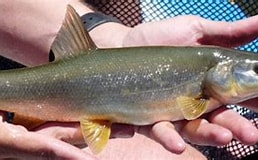
My Edge browser page highlighted a story on a fisherman who earned a six-figure income for removing a problematic species of fish from the state’s waters. Officials confirmed an Oregon angler taking part in the 2023 Northern Pikeminnow Sport-Reward Program, caught 10,755 pikeminnow during the five-month season and earned a total of US$107,800, the second highest in the programs history. The top prize was recorded in 2016 in the amount of US$119,341, as reported by Field & Stream. Northern pikeminnows are native to the region but can eat millions of young salmon and steelhead, according to the Oregon Department of Fish and Wildlife. The bounty is administered by the Pacific States Marine Fisheries Commission (PSMFC) to help reduce the predator’s average size and limit the number of bigger and mature fish, allowing more juvenile salmon and steelhead to migrate to the ocean.
When I looked online, I found the northern pikeminnow (Ptychocheilus oregonensis), also known as the Columbia River dace, is a large member of the minnow family (Leuciscidae). This freshwater fish is native to northwestern North America, ranging from the Nass River basin to the Columbia River basin. Pikeminnows can live at least 11 years and grow to 35 inches (89 cm) and 15 pounds (6.8 kg). The current International Game Fish Association all tackle world record for northern pikeminnow is 7 pounds 14 ounces (3.6 kg) from the Snake River near Almota, Washington. While males reach sexual maturity in 3 to 5 years, the female matures at about six years. A mature female can lay 30,000 eggs annually. The pikeminnow diet consists of terrestrial insects, bottom (benthic) invertebrates, other fish, aquatic insects, and plant matter. Pikeminnow are adept predators, and salmon smolts comprise a large part of their diets in the Columbia and Snake Rivers. Pikeminnow populations flourished with the Columbia River hydropower system as reservoirs provide excellent habitat and give them an advantage over salmon and steelhead populations. Data suggests the pikeminnow can eat up to 650,000 salmon fry annually.
Northern pikeminnow were of no interest commercially or to sport anglers until Washington and Oregon state fisheries agencies and the Bonneville Power Administration placed a bounty on them to reduce predation on scarce salmon stocks. Now, pikeminnow season runs from May 1 through September 30 annually. Fisher people are encouraged to catch larger pikeminnow from the Columbia and Snake rivers to turn in for rewards. Anglers earn US$6 per fish for the first 25 caught, US$8 apiece for 26 to 200 fish caught, and US$10 per fish over 200. Specific fish were even worth between $200 and $500 apiece, if they had ingested Passive Integrated Transponder (PIT) tags that researchers had implanted in the juvenile salmon population, the PSMFC explained. The second- and third-place anglers in the 2023 program earned US$99,110 and US$62,530, respectively. Officials with the Oregon Department of Fish and Wildlife estimate around 5.3 million northern pikeminnow have been removed from the Columbia and Snake Rivers since the program started in 1990. Washington and Idaho operate similar programs.
THOUGHTS: The Northern Pikeminnow is a frequent target among bounty fishers, but you can also eat them. They contain healthy fats and nutrients and taste similar to cod, catfish, or whitefish. Some anglers complain about its slightly unpleasant smell, oily texture, and the tinier bones that are time-consuming to remove. While they are not a delicacy or a popular fish for anglers, they are edible and tend to take on whatever seasoning you add. The fish is best while still fresh, without refrigeration or freezing. If you cook it well and take time to remove the bones, you will have a more pleasant experience. Bon Appetit! Act for all. Change is coming and it starts with you.
 A travelers odyssey