
May 07, 2024
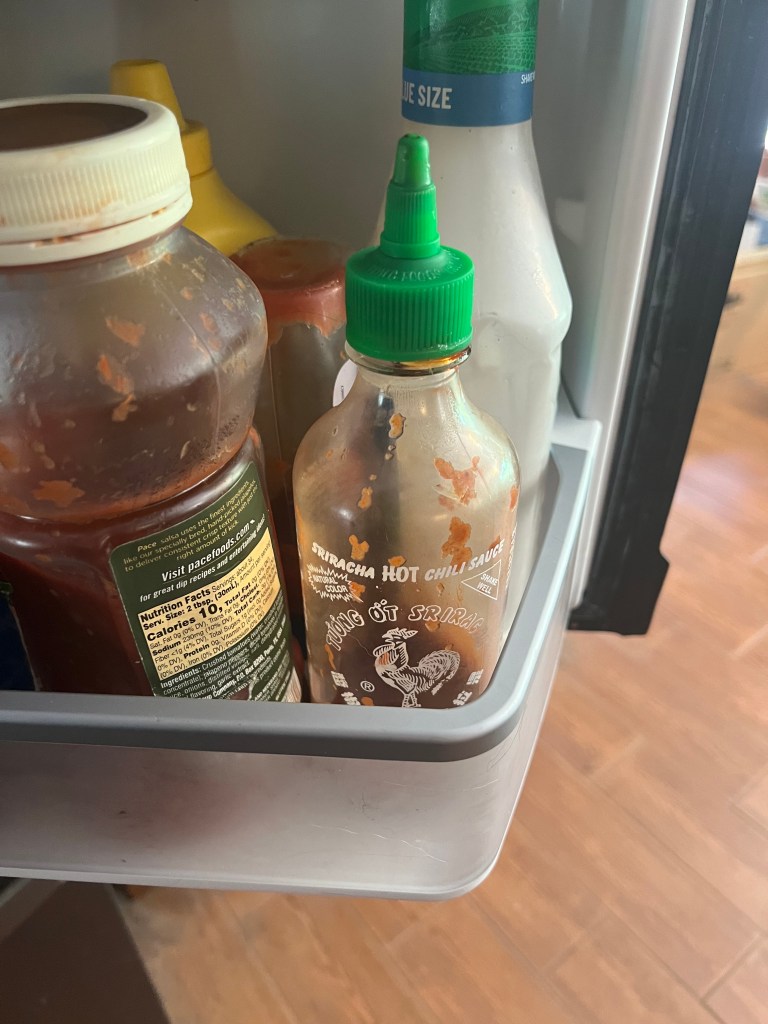
I found a USA Today article in the Business Section of today’s local newspaper on a possible supply shortage for chili sauce. Huy Fong Foods said it halted production of the sauce until Labor Day. The jalapeno chilies are not red enough and it is affecting the color of the sauce. Harvesting the jalapenos too soon not only affects the color, but the quality and flavor of the sauce as well. The riper red chilies are sweeter and have a more complex flavor. Huy Fong’s processing plant rejects shipments of red jalapenos that are more than 5% green fruit. Huy Fong Foods said, “all orders that have been scheduled beginning on May 6, 2024, will be canceled and the status changed to pending.” Huy Fong Foods goes through 50,000 tons (45.4 mt) of chili peppers making their hot sauces and they are only in season four months out of the year. The factory mixes the chiles with salt and preservatives and seals them in barrels for later distribution. What makes Sriracha different from other hot sauces is its thick consistency, much like America’s ketchup. Other Sriracha makers have not reported a lack of red jalapenos or production issues.
When I looked online, I found Sriracha is a chili sauce that originated in Thailand. The original sauce (Sriraja Panich) was made by Thanom Chakkapak of Si Racha, Thailand in the 1930’s. David Tran began making chili sauces in 1975 in his native Vietnam, where his brother grew chili peppers on a farm north of Saigon. In 1978, the new Communist Vietnamese government began to persecute ethnic Chinese in south Vietnam and Tran and three thousand other refugees crowded onto the Taiwanese freighter Huey Fong heading for Hong Kong. After a month-long standoff with British authorities, its passengers disembarked on January 19, 1979. Tran was granted asylum in the US, where he started Huy Fong Foods in 1980, naming the company after the refugee ship that brought him out of Vietnam. The sauce gets its heat from red jalapeno peppers, but it’s only moderately spicy. Sriracha measures 2,200 on the Scoville scale, developed to measure the level of heat in chiles, while Tabasco sauce measures 3,750 and cayenne pepper measures 50,000. Huy Fong makes the most popular version of Sriracha, but several versions can be found at any supermarket. Huy Fong Sriracha is sweet and tangy with a garlicky taste. The flavor can vary depending on the brand.
The Huy Fong Foods factory produces 3,000 bottles every hour, 24 hours a day, six days a week, or about 20 million bottles a year. Problems with Sriracha supply began in 2017. Underwood Ranch in California had been the sole supplier since 1988, but the alliance fell apart. After a two year court battle a jury found Huy Fong in breach of contract and Underwood was awarded US$23.3 million. Underwood now produces their own brand of Sriracha. Stephanie Walker, professor and vegetable specialist at New Mexico State University, said Huy Fong has been sourcing chili peppers in Mexico and has yet to established solid relationships with dependable growers. The long shortages that have plagued Huy Fong Sriracha in recent years have frustrated fans, causing them to beg for bottles on social media, pilfer them from restaurants, or pay high prices to spice up their bowls of pho, ramen, or sushi rolls. As bottles reappeared on grocery shelves, restaurant tables, and households stocked up, the grumbling eased. Some Sriracha fans say they still feel scared. Old hoarding habits die hard.
THOUGHTS: One Sriracha fan recently posted on X, “How many bottles of hot sauce in the kitchen cabinet are too many?” Another responded, “My boyfriend is Vietnamese. I just counted 16 in the pantry, two in the fridge, and one on the lazy Susan. He’s still not over the Huy Fong Sriracha shortage.” I like Sriracha along when I eat in Asian restaurants and have long kept a bottle in the cupboard. I finally read the label and now it is in the fridge (as recommended). Maybe I should stock up and get another bottle. Act for all. Change is coming and it starts with you.
 A travelers odyssey