
May 11, 2024
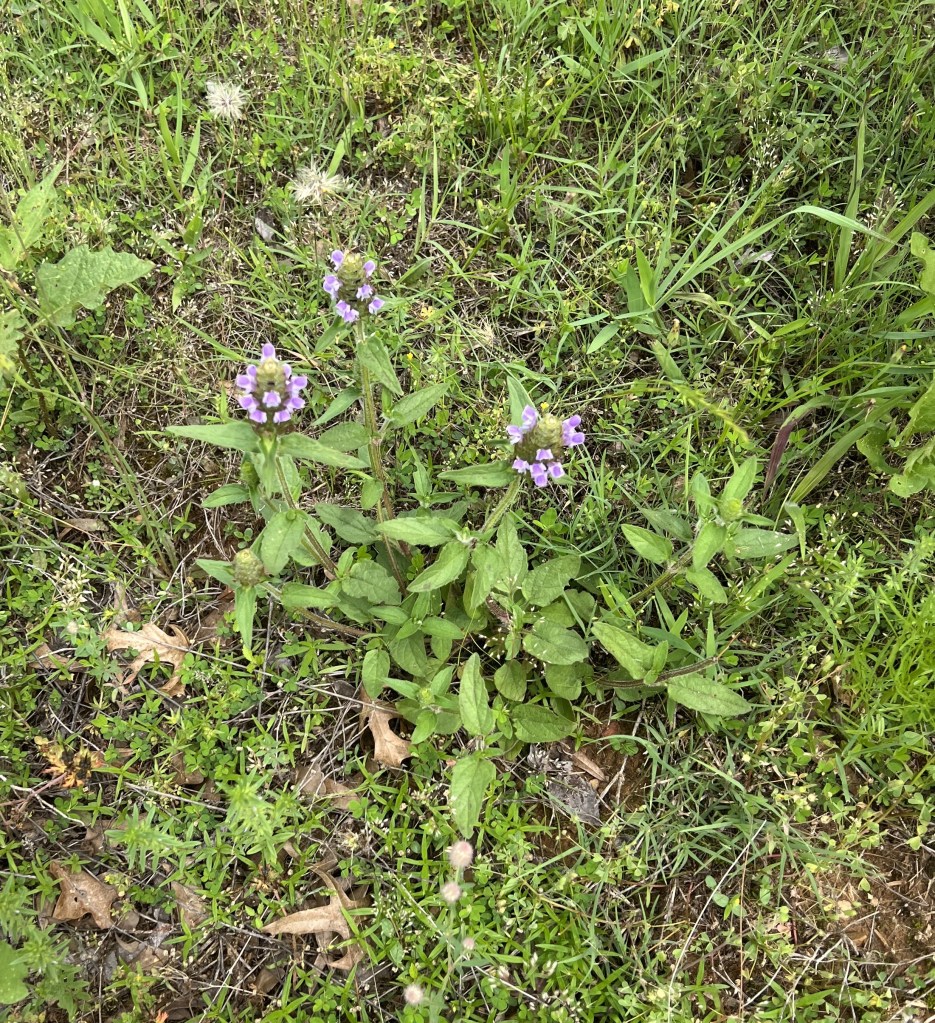
I started walking the kids (again) in the afternoon last week. I had problems last fall because Loki was not well behaved and did not know how to walk on a leash. When Loki had his three sessions with the “treat man” and I told him I was walking him with Zena to let her be the example. He told me that would never work, and rather than schooling Loki, Zena would more likely pick up the bad habits. I walked them separately for a while, then the weather got bad, and frankly I got out of the habit. We fenced part of the yard in January in an effort to provide them with a place to run and play. This works well except when it rains, and Loki comes in doing his impression of a mudball. I know I need exercise as well and vowed to get back in the habit of walking. The first couple of days I walked them separately. I took Loki around the neighborhood and then went to the park with Zena. This seemed like a slight to Loki, so I again took them (together) to the lake. They walked much better together so that is now our “routine”. Yesterday I noticed an odd flower which seemed to be bursting from a cone-shaped bud. I IDed this with my camera as the common self-heal.
When I looked online, I found the common self-heal (Prunella vulgaris), also called heal-all, is an herbaceous plant in the mint family Lamiaceae. Self-heal is native to Europe, Asia, Africa, and North America, and is common in most temperate climates. It was introduced to many countries in the 1800’s and has become invasive in the Pacific Islands, including Australia, New Zealand, and Hawaii. The leaves of the self-heal are lance-shaped, serrated, and reddish at the tip. They are about 1 inch (2.5 cm) long and 0.6 inches (1.5 cm) wide and grow in opposite pairs down the square stem. The stalks of the leaves are generally short but can be up to 2 inches (5 cm) long. The flowers grow from a clublike, almost square, whirled cluster with a pair of stalkless leaves immediately below the club that stand out like a collar. The flowers are two-lipped and tubular, with the top lip a purple hood and the bottom lip is often white. The flowers bloom at different times depending on the climate, but mostly from June to August in the US. Self-heal propagates by seed and vegetatively by creeping stems that root at the nodes. It grows on roadsides, gardens, waste-places, and woodland edges (and around the parking lot at the lake).
The scientific name Prunella is derived from ‘Brunella’, a derivative from “die Bräune”, the German name for diphtheria, which Prunella was historically used to cure. Vulgaris means ‘common’ or ‘vulgar’. The common names self-heal and heal-all refer to its uses in traditional medicine. The herb (called xia ku cao in Chinese), is used in traditional Chinese medicine to treat dizziness, red eyes, dry cough, dermatitis, and boils. It is also a main ingredient in several herbal teas in southern China, including commercial beverages such as Wong Lo Kat. The Nlaka’pamux drink is a cold infusion of the whole plant and is a common beverage. The plant is also traditionally used by some Indigenous cultures to treat various physical ailments. Self-heal is edible, with the young leaves and stems eaten raw in salads, the whole plant boiled and eaten as a leaf vegetable, and the aerial parts of the plant can be powdered and brewed in a cold infusion to make a beverage.
THOUGHTS: The self-heal was in full flower around the parking lot at the lake. No one seemed to be harvesting the plants, and I am sure most (like me) were not aware of its history as a healthy edible and curative. Pharmacognosy is the study and use of medicinal plants and other natural sources which are a basis of traditional medicine. While some scientists debunk natural remedies, others explore their use and effectiveness, even translating them into modern remedies. Many of these plants are collected in wild and diverse ecosystems. When these habitats are destroyed their potential knowledge is also lost. Act for all. Change is coming and it starts with you.
 A travelers odyssey