
June 11, 2024
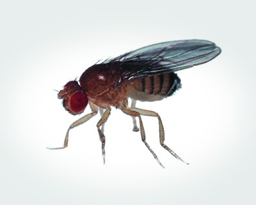
At the beginning of June, I mentioned how we were being inundated by house flies (Musca domestica) and fruit flies (Drosophila melanogaster). Melissa mentioned how her work mates and friends have also been complaining about the same infestation. I have been trying different approaches to get rid of the flies and have been relatively successful with the house flies (keep the door shut). I cannot say the same about fruit flies. We have cleaned the counters and flushed the sink drains. I keep the kitchen composter closed and regularly run the processed remains outside to my inground composting bin. I have tried glue strips and apple cider vinegar traps. These have worked but do not seem to be keeping up with the growing number of fruit flies that are making my kitchen sink and counters home. This morning, I reached my limit when Melissa called me into the kitchen to find around 30 fruit flies covering our sink. I swatted them with a towel, went to my office to research the best ways to get rid of the fruit flies, and then took off for the market to buy a more effective ways of getting rid of the pests.
When I looked online, I found the common fruit fly (Drosophila melanogaster) is among the common types of flies in Arkansas and the US, but they are also found around the world. These flies are about 0.12 inches (3 mm) in body length with the females are generally larger in size compared to males and have a more rounded abdomen. Both have brick-red eyes and a yellow-brown body. The fruit fly has a lifecycle of 10 to 14 days. They are commonly found near decaying fruits and vegetables where they feed on the yeast and bacteria that thrive in those environments. Fruit fly eggs are only visible under a microscope, measuring 0.04 inches (1/2 mm) in length. The eggs are oblong (like a piece of rice) and pale yellow in color. The female can lay up to 500 eggs at a time, primarily in the fermenting or decaying, sweet, organic material found in the fruits and vegetables that attract the adults. The fruit fly is usually attracted to moisture and light.
Many of the remedies I found online to combat my fruit flies involve using the fly’s attraction of moisture and light. Several of these involved a combination of ultraviolet blue light and sticky traps. The theory is the light will attract the flies who then settle on the scented sticky trap and are unable to get off. I also renewed my effort of placing a cider trap to provide the liquid they find appealing. Jody Green, a contributor to the journals of the Entomological Society of America, specializes in urban and industrial entomology or “the bugs that people love to hate the most.” Green said, “They don’t just magically appear like most people think they do, but you can find them inside when you have fermenting foods.” If you want to get rid of fruit flies, all you need to do is remove the rotten fruits or any rotten organic matter from your home. Cleaning habits are an important step in getting rid of fruit flies. My cleaning habits will never receive the Good Housekeeping seal of approval.
THOUGHTS: I discovered while researching how to get rid of fruit flies that I was making my apple cider trap wrong. I poured the cider into a trap and watched as dozens of fruit flies swarm the trap in the morning, but there were only a few dead ones inside the trap. Then I read you need to add a few drops of dish soap in the vinegar to break up the surface tension of the liquid and allow the flies to sink rather than float on top. So much for the person who refuses to take STEM classes in school because they “will never be useful in real life”. I am banking on biology and surface dynamics to resolve the problem with my fruit flies. Act for all. Change is coming and it starts with you.
 A travelers odyssey