
July 17, 2024
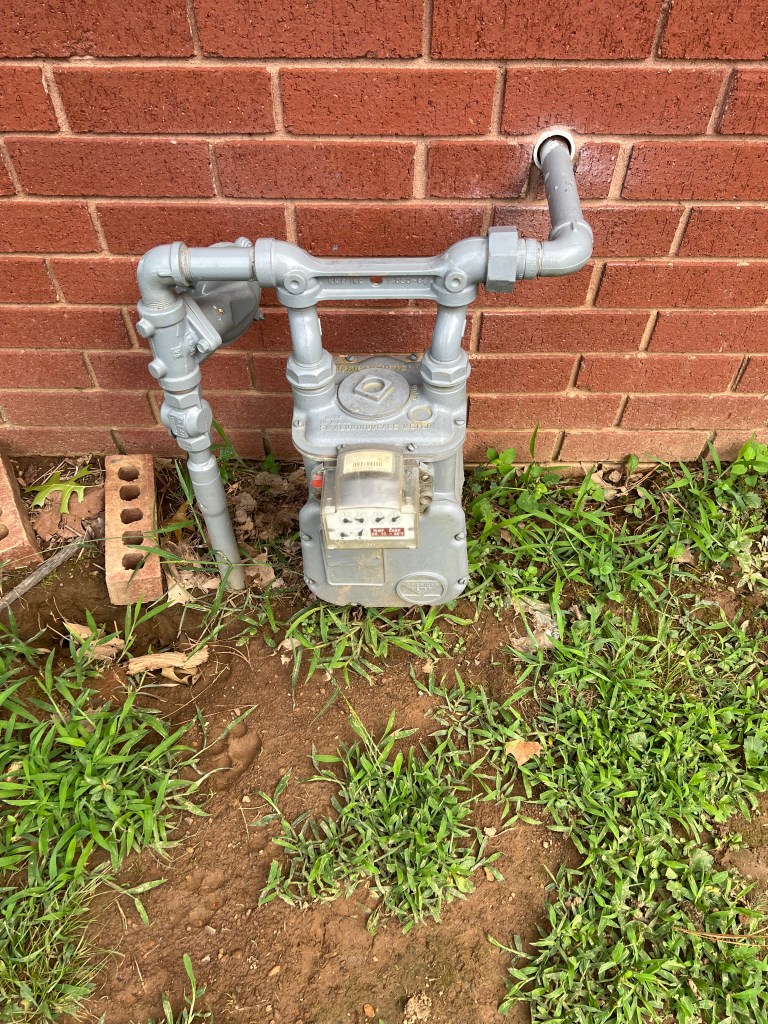
I had taken the kids to the park for a walk and when I got home, I was met by an obvious odor. I had smelled the odor before when I accidentally left the burner on our gas stove partially on. I had also noticed the smell when I was working in my office earlier in the day and the air conditioner kicked on. I had gone to the garage and checked the furnace and water heater closet but had not smelled anything out of the ordinary, so I did not worry. On my return from the park the smell seemed to be stronger. I rechecked the stove to make sure the burners were off and asked Melissa about the smell. She mentioned how she had had a headache all day and wondered if that was not the problem. She had worked for the local gas distribution company and suggested I should call them and see what we ought to do. I was sure we must have a gas leak.
When I looked online, I found methanethiol (also known as methyl mercaptan) is an organosulfur compound with the chemical formula CH3SH that many gas companies add to natural gases and propane to help homeowners detect a dangerous leak. The safety data sheet (SDS) is a document that lists information relating to occupational safety and health for the use of various substances and products in commercial settings. The SDS lists methanethiol as a colorless, flammable gas with an extremely strong and repulsive smell (similar to rotten eggs). At very high concentrations it is highly toxic and affects the central nervous system. Its strong odor serves as a warning when the gas is in dangerous concentrations. An odor threshold of 1 ppb has been reported, but the OSHA Ceiling Limit in the US is listed as 10 ppm. This gas is a natural substance found in the blood, brain, and feces of animals (including humans), in plant tissues, and occurs naturally in foods like some nuts and cheese. It is one of the chemical compounds responsible for bad breath and the smell of flatus.
There are more than 77 million natural gas customers (residential, commercial, and industrial) in the US according to the American Gas Association, accounting for 32.2% of all energy consumption in 2021 (the latest year with full data). The majority of times gas is used without incident but when a gas leak occurs it can be hazardous. When I called the gas company, they told us to avoid open flames or vapes, open our windows, and immediately get out of the house and wait for the technician to arrive. They assured me he was already in our neighborhood, and it would not take long for him to be here. We opened the house and then corralled the kids and went outside to wait on the back patio. It took less than 10 minutes for the technician to arrive. He told me they had opened a new storage well at 10 am that morning and the smell and complaints had been coming ever since. He Immediately registered the presence of gas on his meter when he entered the house. He then checked our furnace and water heater compartment, along with the gas stove, and said there was not a leak. He recommended we continue to keep the windows open to allow the smell to dissipate and call if we still had concerns. I was glad today’s temperature had dropped back to 90F (32C).
THOUGHTS: During the 1990’s I was trained as a 2nd responder emergency person while I lived in California’s Bay Area. Part of our training concerned checking for a gas leak after a catastrophic event like an earthquake. Due to the danger posed by natural gas, only trained professionals should attempt to diagnose the location or correct a leak. Our job was to make sure the gas was turned off in buildings that had been impacted by the event. We were told that several years ago the 2nd responder groups in the LA area (California) had responded following an earthquake. They had dutifully gone out and turned off the gas lines for 1000’s of homes in the affected area, whether there was a leak or not. It took the gas company weeks to get their customers back online. At times a little knowledge can be worse than no at all knowledge. Act for all. Change is coming and it starts with you.
 A travelers odyssey