
August 20, 2024
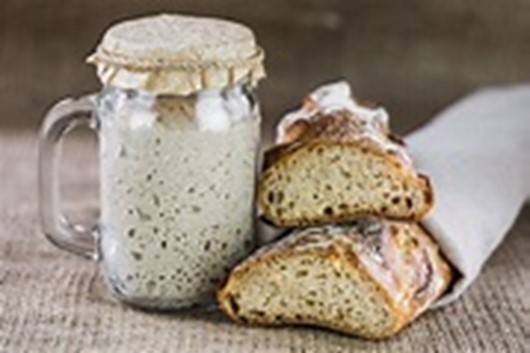
During the pandemic Melissa’s IT job transformed like many others and went to remote work. As the pandemic continued it was decided that many of the in-person jobs were being accomplished remotely, and eventually her job status was changed to 100% remote. This saves wear and tear of the long (1.5 hours) commute back and forth through rush hour traffic. Over the last three years she has also found if she logs to her work site between 7 and 8 am she is able to get a head start before most of the other workers begin their day and start peppering her with queries and requests for “fixes”. She generally logs on without breakfast and has also gotten into the habit of stopping around 9 am to prepare a quick snack of peanut butter on sourdough toast. Since I provide the grocery shopping, I am always on the lookout for a sliced loaf for her snack. Sourdough keeps well and I have often found these loaves in the “day old” section of the markets. For some reason, I have not been able to find the store baked sliced sourdough at any of our local markets for the last two weeks.
When I looked online, I found sourdough bread is by the fermentation of dough using wild lactic acid bacteria (lactobacillaceae) and yeast. The fermenting lactic acid imparts a sour taste and improves preservation qualities of the bread. The Encyclopedia of Food Microbiology tells us one of the oldest sourdough breads was excavated in Switzerland and dates from 3700 BCE and suggests the origin of sourdough fermentation likely relates to the origin of agriculture in the Fertile Crescent and Egypt several thousand years earlier. This was later confirmed by another archeological find in the Middle East. In contrast, baker’s yeast has only been used as a leavening agent for the last 150 years. French bakers brought sourdough techniques to Northern California in 1849 during the Gold Rush, and it remains a part of the culture of San Francisco today. The sourdough tradition was carried into Alaska in the US and the Yukon Territory in Canada during the Klondike Gold Rush of 1898 as conventional leavenings like yeast and baking soda were less reliable in the cold conditions faced by the prospectors. Experienced miners and settlers frequently carried a pouch of starter either around their neck or on a belt, and came to be called “sourdoughs”, a term that is still applied in the region.
Finding Melissa sourdough bread has turned from “something on the list” to an obsession. When her supply was running low, I put it on my list. I went to our town market and although there was a price tag indicating sourdough, there was no bread. No problem. I drive to the next town frequently, so I waited a couple of days and then went to the market there. This market usually makes too much sourdough and there are always several loaves on the “day old” rack. I checked both locations in the store and neither had any bread. Later that week I went to the big box store that is associated with the two markets to check for sourdough. There were several loaves, but none of them were sliced. I have found by experience that I am not a good bread-slicer (I squish it), so I decided to forego the purchase. Afterall, it should arrive at one of my stores shortly, right? That was two weeks and four visits (often going to both stores on the same day) to the markets without finding any sourdough. I have switched to another variety of bread. Melissa is still holding out.
THOUGHTS: The sourdoughs of the Yukon were said to go to great ends to keep their sourdough starter (Hermon) from freezing. We now know the starter is not affected by cold but can be killed by heat. My mom always kept her Herman frozen and once when she was gone dad was clearing out the old frozen items. Finding the Herman, he thought it was spoiled ice cream. I took him over a week to finish it off. My dad was persistent in eating the Herman, just as I am still looking for the sourdough bread. Human behaviors are learned and passed on. Most of us are “just like my father/mother.” Act for all. Change is coming and it starts with you.
 A travelers odyssey