
September 03, 2024
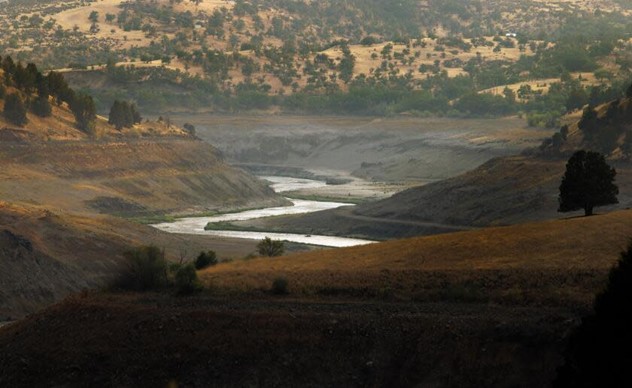
Inside the back section of today’s newspaper was a USA Today syndicated story on the removal of four dams along the lower Klamath River. The Klamath watershed is located in the US states of Oregon and California and was once known as the second largest salmon fishery on the West Coast. Salmon (genus, Oncorhynchus) is center of the Indigenous peoples who live along the river. The spring and fall salmon run combined with the acorns from the California live oak (Quercus agrifolia), California huckleberry (Vaccinium Ovatum), and along the coast, Bull Kelp (Nereocystis luetkeana) served as the heart of a healthy diet and culture. Agricultural and industrial activity in the basin took their toll on the Klamath and the Tribes who lived there. As the salmon suffered, the people deprived of their healthy food fell into despair. Suicide rates spiked, along with domestic violence, drug and alcohol abuse, diabetes, and other diseases related to poor nutrition.
When I looked online, I found the ecological decline of the Klamath River was the result of many factors. These include dams, water diversions, mining operations, logging, poor fire management, and an overstretched demand for limited water supplies. That said, the four dams on the lower Klamath seem to be the biggest single factor in the river’s decline. The dams were built by the Lower Klamath Hydroelectric Project between 1908 and 1962 as directed by the California-Oregon Power Company. None of the three lower dams had fish ladders and they denied the salmon access to hundreds of miles of historic spawning and rearing habitat. The dams disrupted transport of sediment, altered water temperatures, and created the perfect conditions for blooms of toxic blue-green algae. River conditions led to a massive fish disease outbreak in 2002 that caused a fish kill on the lower Klamath River of an estimated 70,000 adult salmon before they could spawn. The 2002 fish kill was a traumatic event started a grassroots campaign by the tribal communities with the goal of removing the lower four Klamath River dams and restoring the watershed to health.
The Bring the Salmon Home campaign called on PacifiCorp to surrender the lower four Klamath River dams for removal. After years of protests, lawsuits, and direct action, PacifiCorp, the States of California and Oregon, tribal governments, conservation groups, commercial and recreational fishing organizations, and counties reached an agreement to remove the dams in 2016. The signatories went through the regulatory process from 2016 to 2022 to secure Federal Energy Regulatory Commission (FERC) approval for dam removal. Dam removal began in 2023 and will conclude in September 2024. Activities to restore the Klamath watershed and continued monitoring are expected to last for several years after conclusion of the (de)construction activity. The project’s US$500 million budget includes funds from California and from surcharges paid by PacifiCorp customers. The dams were used to generate power (hydroelectricity) and not water storage. The utility agreed to removal of the dams after concluding it would be less expensive than bringing them up to current environmental standards. Two other dams not affected by the project will remain farther upstream in Oregon.
THOUGHTS: The four Klamath dams were constructed without the tribe’s approval. Their removal has cleared the way for California to return more than 2,800 acres (1133 ha) of ancestral land to the Shasta Indian Nation. According to the nonprofit American Rivers, more than 2,000 dams have been removed across the US. Dam removal is a proven tool to restore river health, improve water quality, improve public health and safety, revitalize fish and wildlife populations, safeguard cultural values, and reconnect communities to their rivers. The healing has just begun for the Shasta Indian Nation. Act for all. Change is coming and it starts with you.
 A travelers odyssey