
March 17, 2026
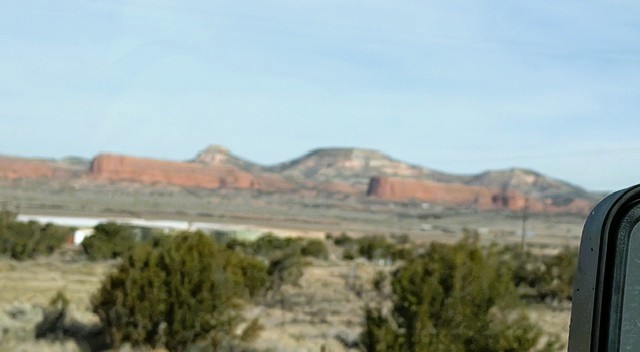
Melissa and I have been traveling for the last several days on our way to fulfill one of my “bucket lists”, Royals Spring baseball in Surprise Arizona. We got back from Florida and took a week to recover and prepare the yard for spring. Then it was off on our four-day drive to Surprise. While the speed limit on the Interstate is 75 mph (120.7 kph) we have decided to keep our rig under 70. This helps somewhat with gas mileage and helps us feel safer driving. The first day began without incident, but trouble began when the winds picked up as we motored into western Oklahoma. WE checked our weather app and there were sustained winds of 20 to 25 mph (32 to 40 kph) and gusts up to 40 mph (64 kph). The more the rig was being buffeted the slower I began to drive. Finally, the “stability assist failure” light came on. Melissa goggled the error and it said we should take the vehicle to our mechanic as soon as possible. Since they were now 250 miles (402 km) away, that was not going to happen. We did call however, and he confirmed it was just the wind gusts that set off the alarm and it would reset once we shut the rig down for several seconds. When we stopped for the night, we saw that our trip through the Texas panhandle would be even windier.
When I went online, I found The Texas Panhandle is exceptionally windy (especially in late winter and spring) due to a combination of intense surface low-pressure systems forming in the lee of the Rocky Mountains and strong jet stream winds mixing down to the surface. The region’s high elevation, flat terrain, and rapid temperature changes fuel high-speed winds. As westerly winds flow over the Rocky Mountains, it can create a low-pressure area on the High Plains. When there is a sharp difference between high and low pressure it produces high wind speeds. The “Windy Season” (Feb-May) is prime time for wind as the jet stream dips into Texas, bringing fast-moving, high-altitude air down to the surface. These conditions are exasperated by the cold fronts moving through the area. creating freezing in the Panhandle against the warm air further south. Finally, the flat, open landscape of the high plains offers little friction to slow down surface winds. Intense surface low-pressure systems or thunderstorms can produce gusts exceeding 60 mph (95.5 kph). Amarillo is centrally located in the panhandle and is considered one of the windiest cities in the US, according to a Facebook post from the City of Amarillo.
We slowed the rig to around 60 mph (95.5 kph) for the rest of the trip through the Texas panhandle. While it did not seem to get much better in New Mexico (similar topography, etc.) we powered through the next day. We also found the winds tended to increase in the afternoon, so we drove most of our hours in the morning. We were happy to be leaving the Panhandle as we began to climb toward the southern reaches of the Rockies and the US Continental divide (7,245 to 7,295 feet / 2,208 to 2,223 meters). This spot is noted as a high elevation point on historic Route 66 and separates watersheds flowing toward the Pacific Ocean and Atlantic Ocean. Little did I imagine the thrill that awaited us as we dropped down from the mountains around Flagstaff to the lower desert around Phoenix. That is another story.
THOUGHTS: The winds we met driving through the Panhandle caused both Melissa and I to question our desire to drive around the country in our RV. We also struggled to get the Jeep tow vehicle in gear following three days attached to the rig. If it was going to be like this, were we prepared? Then I remembered the learning curve I have had with my garden and Melissa has had with her succulents. You take on new challenges when you take on new activities, but powering through and learning from your experience opens new possibilities. Doing the same thing may keep you safe, but where is the fun in that? Act for all. Change is coming and it starts with you.
 A travelers odyssey