
Veterans

November 12, 2020

Yesterday was Veteran’s Day.  World War I officially ended with the signing of the Treaty of Versailles on June 28, 1919.  However, the fighting stopped seven months earlier with an armistice between the Allied nations and Germany.  This was effective on the eleventh hour of the eleventh day of the eleventh month.  November 11, 1918 is generally regarded as the end of the war.  President Wilson proclaimed November 11 as the first commemoration of Armistice Day the following year.  The original concept was for a day observed with parades and public meetings and a brief suspension of business beginning at 11:00 a.m.  The name was changed to Veterans Day in 1954 to honor veterans of all wars.

Melissa always asks why I like to watch war movies on TV, so I was surprised when she switched the channel last night to a documentary, “We stand Alone Together:  The Men of
Easy Company” produced in 2001.  E Company, 2nd Battalion of the 506th Parachute Infantry Regiment of the 101st Airborne Division (the “Screaming Eagles”), held the distinction of parachuting behind enemy lines on D-Day, leading the invasion of Holland, holding the line at Bastogne in the Battle of the Bulge, and capturing Hitler’s Eagles’ Nest at the end of the war.  Over a period of two years, Mark Cowen and his crew travelled to 30 U.S. and ten European cities, to interview the veterans.  The stories, told by the veterans themselves, were made famous in the mini-series Band of Brothers.  There were 140 men who formed the original Easy Company in 1942.  A total of 366 men belonged to Easy Company over the next three years and 49 men were killed in action.  Easy and the 506th PIR was disbanded in November 1945 but reactivated in 1954 as a training unit.

Veterans Day became part of The Uniform Holiday Bill (Public Law 90-363 (82 Stat. 250)) signed on June 28, 1968, and was intended to ensure three-day weekends for Federal employees by celebrating four national holidays on Mondays: Washington’s Birthday, Memorial Day, Veterans Day, and Columbus Day.  Many states did not agree and continued to celebrate the holidays on their original dates.  It was apparent that the commemoration of this day was a matter of historic and patriotic significance to a great number of citizens, and on September 20th, 1975, President Gerald R. Ford signed Public Law 94-97 (89 Stat. 479), which returned the annual observance of Veterans Day to its original date of November 11, beginning in 1978.

Thoughts:  Veterans Day continues to be observed on November 11, regardless of what day of the week it falls. The restoration of the observance of Veterans Day to November 11 preserves the historical significance of the date and helps focus attention on the purpose to honor America’s veterans.  We have never been shy about letting others know how we feel in America.  There are times when this is about others and it is appropriate.  There are other times when it is about me regardless of others.  This is not appropriate behavior.  Do the work.  Follow the science.  Change is coming and it starts with you.
Killers

November 11, 2020

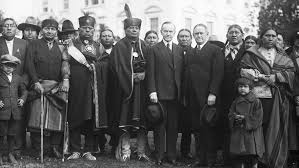
Killers of the Flower Moon: The Osage Murders and the Birth of the FBI by American journalist David Grann was released on April 18, 2017 by Doubleday.  The book investigates a series of murders of wealthy Osage people in Osage County, Oklahoma in the early 1920’s. These occurred after big oil deposits were discovered beneath their land.  While the Osage Native Americans were awarded rights, a long process of custodianship was imposed on the distribution of the profits and very few if any of the Osage saw any money.  The elements hostile to the Osage decided they would simplify their profit mongering by eliminating the “middleman” (Osage).  The official count of murdered full-blood Osage reached at least 20, but Grann suspects hundreds more may have been killed because of their ties to the oil.  The newly formed FBI’s investigation of the murders resulted in the trial and conviction of cattleman William Hale as the mastermind behind the plot.

Like all marginalized BIPOC, Native American civil rights were not assured in the United States.  Native Americans are citizens of their respective Native nations as well as the United States, and those nations are characterized under the Law of the United States as “domestic dependent nations.”  This status creates tension today but was far more extreme before Native people were uniformly granted U.S. citizenship in 1924.  It is hard to summarize the issues of the many tribes and Native peoples, but there are some issues they are actively pursuing. These include the protection of rights to voting, resistance to cultural assimilation, destruction of surrounding environments and water sources near Reservations, and depressed economies.  We can now add the pandemic to the crisis.

The Indian Civil Rights Act of 1968, also called the Indian Bill of Rights, guaranteed many civil rights Indigenous peoples had been fighting for.  Among these rights were freedom of speech, protection from invasion of homes, right to speedy trial and to have an attorney, protection against cruel and unusual punishment, the right to a jury trial, and equal protection under the law.  This basically included Native peoples in the Bill of Rights ratified December 15, 1791.  It only took 177 years to grant protection under the law to the nearly 2.5% of Indigenous people living in America.  Other civil rights such as sovereignty, hunting and fishing, and voting are still issues facing Native people today.

Thoughts:  Indian Territory (lands owned Indian tribes east of the Mississippi River) and Oklahoma Territory (lands set aside to relocate Plains Indians and other Midwestern tribes), were formally constituted by Congress on May 2, 1890 in the Oklahoma Organic Act.  The next 16 years saw a variety of Black towns and white settlers move into the area and new laws resulted in the state of Oklahoma on November 16, 1907.  The conflict of cultures and broken promises were complicated by discovery of vast oil fields lying beneath the prairie.  Rather than doing the work of coexistence, some chose the course of greed.  This resulted in the Tulsa Race Riot and the Osage Murders.  It is time to learn from our past rather than choosing to repeat it.  Do the work.  Change is coming and it starts with you.
Inside

November 10, 2020

After making our preparations for the cold winter months, the weather has warmed up.  I mentioned we had several nights at or near freezing, but now it is up in the high 40’s and 50’s.  Setting your heater on 65F does no good when it is 75F outside.  Rather than removing and replacing the ground cloth over the outside beds I have chosen to keep them covered.  The cloth is designed to let the light through and when we do get a light rain, it tends to run off the netting rather than soaking the succulent roots.  While the nets help keep the plants warm, they do not seem to heat them up.  Worst case scenario, the succulents will just not go dormant.  Either way, they will survive.

The history of virology (study of viruses) began in the closing years of the 19th century. Although earlier vaccines were used to protect against viral infections, it was not known what caused them.  The first evidence of the existence of viruses came from experiments with filters that had pores small enough to retain bacteria.  In 1892, Dmitri Ivanovsky used one of these filters to show that sap from a diseased tobacco plant remained infectious to healthy tobacco plants despite having been filtered.  Martinus Beijerinck called the filtered substance a “virus.”  Even knowing viruses existed, little else was known for a long time.  We knew viral infections increased in the winter months (i.e., Flu) but were not sure why.  What we finally realized is the increase is a direct result of the crowds in proximity gathered inside.   Another wave of the pandemic is spreading as we gather inside.

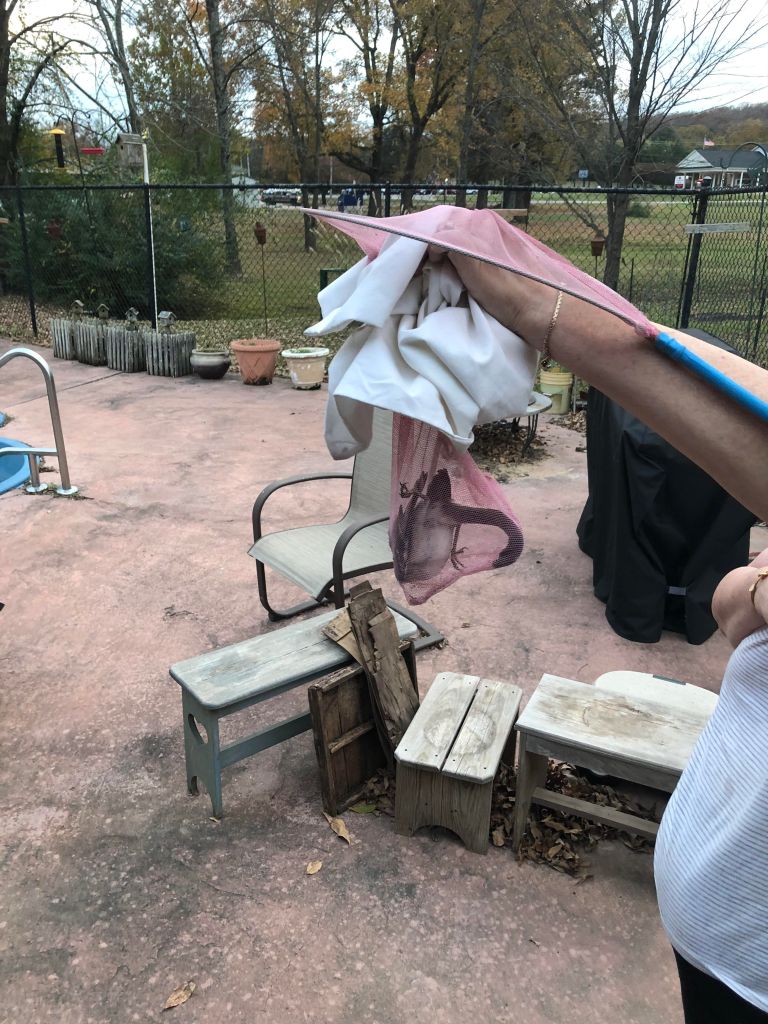
While we have kept the inside heat on low, Melissa has been running the fans and keeping the doors open to reduce the humidity and cool her plants down.  We can remove or open the plastic over the screens on the porch, but it is easier to just keep the door propped open.  That came back to haunt us today, when a mockingbird decided she wanted to check out the porch garden.  I would not have minded her excursion, but seeing the back door open she came in the house.  Luckily, we had the blinds raised on the bay window and that is where she went to escape.   I used the pool straining net to trap her against the window, then Melissa secured the net and took her outside.  She seemed happy to leave.

Thoughts:  I have never liked the inside of my house kept warm during the winter.  It is easier to put on extra clothes than to regulate the heat.  I mentioned previously how this allows me to think I am saving energy (even if it is minimal).  I found it ironic the bird wanted to come inside while the nation is seeking ways to get out.  The problem the bird had was once she got in; it was more difficult to find a way out.  Our nation had a similar choice in January when there were few known cases of the virus.  We chose to ignore the pandemic and it quickly got out of control.  Like my bird, we are finding it more difficult to get out.  This will be a long battle unless we decide to work together, as a country and for the world.  Follow the science.  Change is coming and it starts with you.
Colors

November 9, 2020

Even though this is our third Fall in Arkansas I have had yet to make the trip north to see the colors in the Boston Mountains.  This is the lower tip of the Ozarks and are a topic of every fall’s local newscast.  This year I did not have an excuse as my drive to work takes me through the middle of this area.  When I came up last Monday, the news said it was just about right.  It was not and only a few of the leaves had begun to turn.  When I watched the news on Friday it said the changing conditions would likely drop most of the leaves by Saturday night.  Perfect.  It looks like I will miss the best of the colors again.

“Colors” was a 1988 American police film starring Sean Penn and Robert Duvall and directed by Dennis Hopper. The film takes place in the gang ridden neighborhoods of Los Angeles in the late-1980’s.  The film centers on an experienced officer (Duvall), and his rookie partner (Penn), who try to stop the gang violence between the Bloods, the Crips, and Hispanic street gangs. Colors inspired discussion over its depiction of gang life and gang violence.  As depicted, the only thing seen by the three gangs were the colors they wore.  No one was willing to do the work to look beyond the colors to see the person inside.

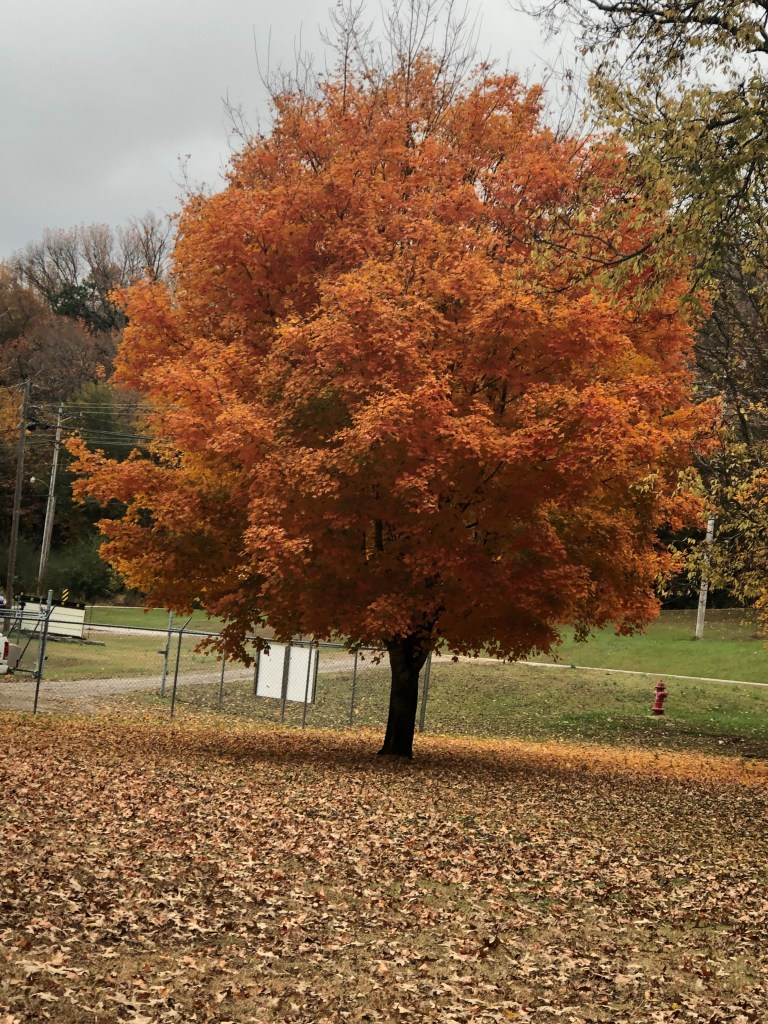
When we began the drive on Sunday it was overcast and not conducive to seeing the brilliant colors we had been told about.  Still, I was expectant.  As we began the ten-mile climb toward the crest there were some pretty vistas.  Melissa and I both commented on how much more striking it would have been if the sun were shinning on the trees.  The contrasts between the deciduous and evergreens was still a beautiful contrast.  When we arrived, there was a majestic maple standing tall in the front yard. The sun had broken through and the vibrant colors were awe inspiring.  I could only imagine what it would have looked like with the whole mountain draped in the same colors.

Thoughts:  When I was coming back down the mountain today the sun had broken through the clouds and was shining brightly.  As I expected, the colors were amazing.  It reminded me that life can be like fall colors.  There are times when all the colors are all there, but we are not seeing them in the right light.  There are other times when we fail to do the work to see the colors around us.  Occasionally it all comes together.  We do the work, the light is right, and we are amazed by the wonder of living. This has been an odd (terrifying?) year.  Yet even in 2020, I have seen the amazing “colors” that make up our country and world.  Do the work.  Change is coming and it starts with you.
Blue

November 7, 2020

I had had enough, and Melissa encouraged me to get out of the house and go fishing.  She suggested a lake in the nearby mountains.  I decided I would start in that direction and decide where to end up.  I admit, I missed the first fishing turnoff and when I got to the second, I thought it was before the first.  In other words.  I was on my way to Blue Mesa.  I resigned myself to the inadvertent decision because that was where I really wanted to fish anyway.

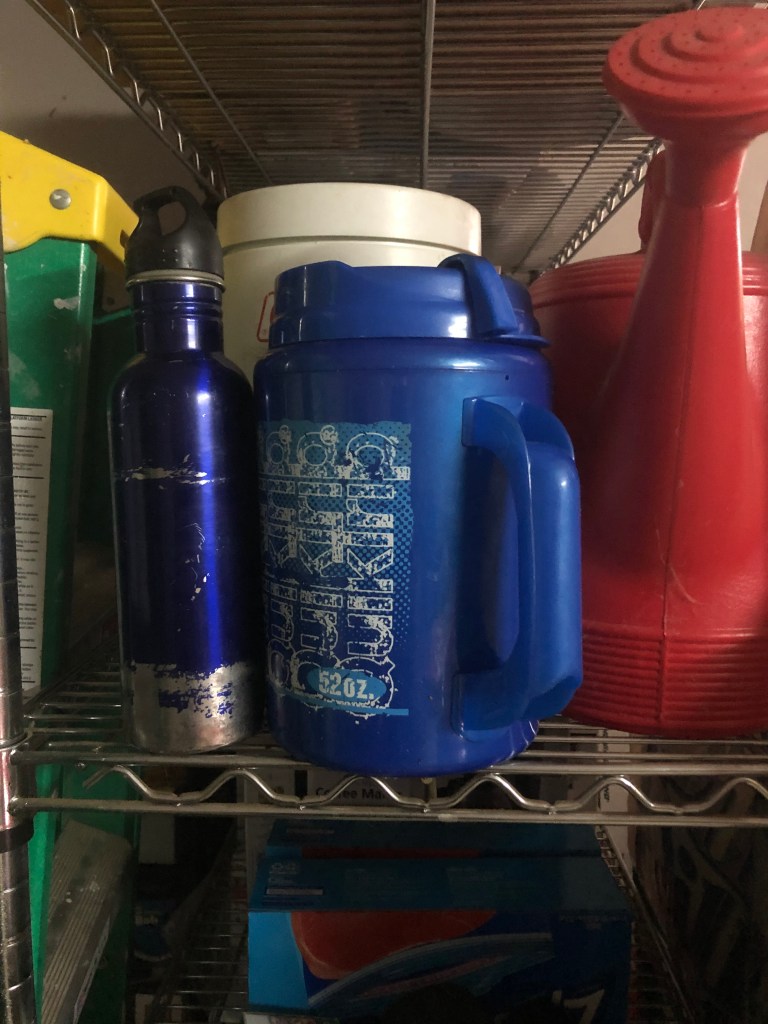
One of the interesting things I find about fishing is collecting all the miscellaneous “stuff” left by previous anglers.  That includes the things I have left behind being collected by other anglers.  One of our best finds has been “Big Blue.”  I found this 52-ounce cup on a riverbank in Kansas.  Melissa made fun of me for keeping it, but it has become an invaluable resource in our tackle box.  I generally fill the cup with ice and then complete the fill with water to provide a thirst quench during the day.  Big Blue has come through on many hot summer days.

As a fisherperson, I too am superstitious.  While on the way to the outlet tubes, Big Blue spilled to the floor when a made a sharp turn just prior to the park entrance.  That obviously meant I was jinxed.  When I pulled in, I saw the water out of the tubes was high even though we had not been getting rain.  Again, I was jinxed.  I decide to try it any anyway.  I quickly lost the plastic worm I was fishing on the rocks on the bottom.  Jinxed.    I finally decided to throw a bobber in the eddy at the outlet and quickly caught four fish (not jinxed?).  I was expecting a call, so I checked my cell phone and found I was out of range.   I moved to another location within cell range.  Thankfully, I still caught fish.  Despite the start, it was a good day.

Thoughts:  I have been blue on several days throughout the pandemic.  Even though we are no longer closed, I am reluctant to go out unless I need to.  Other times (like yesterday) I go out because it is essential for my wellbeing.  One thing about fishing is it is outside and the places I frequent are generally remote with few people.  While I am not a People Person, occasionally being confined in the house causes me to crave interaction.  Many technical and administrative workers have shifted to working online from home.  It gives me pause to wonder if this is not creating a further divide between management and the essential in-person workers.  Issues of safety and economic disparity in the workplace has changed during the pandemic.  The divide will continue to widen until we make a conscious effort to bring change.  Do the work.  Change is coming and it starts with you.
Life

November 6, 2020

I came of age in the early 1970’s so rock was my preferred genre of music.  While I enjoyed psychedelic rock, I tended to lean toward soft rock and ballads.  I was swayed to the dark side during the late 80’s and 90’s when a friend introduced me to country dancing.  When I found out how much I enjoyed dancing, I realized I needed to listen to the music to know which dance went with which songs.  That began a love affair with Country Music that continues to this day.  While I listen to the new songs, I prefer the Golden Oldies featured on Country Prime radio.  Not surprisingly, these are songs from the 80’s and 90’s.

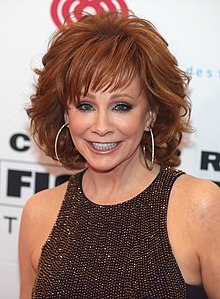
One of the artists I enjoy is Reba McEntire.  Reba Nell McEntire was born March 28, 1955.  She began her career as a high school student singing in the Kiowa High School band, on local radio shows with her siblings, and at rodeos.  She signed her first contract with Mercury Records in 1975 and released her first solo album in 1977.  McEntire has since released 29 studio albums, acquired 24 number one singles, 16 number one albums, and 28 albums have been certified gold, platinum, or multi-platinum in sales.  She is often referred to as “The Queen of Country.” Reba has sold more than 75 million records worldwide.  In the early 1990’s, McEntire branched into film starting with 1990’s Tremors.  She has since starred in the Broadway revival of Annie Get Your Gun (2001) and in her television sitcom Reba (2001–07), for which she was nominated for a Golden Globe Award.

I find one of McEntire’s songs particularly relevant.  “Is There Life Out There” peaked at #1 in March 1992 and was made into a television movie (starring Reba) in 1994.  This depicts a young woman who wonders if she made the right choice getting “married when she was twenty.”  It is not that she does not love her husband and children, it is instead that she wonders what else she might have done.  In the movie, she chooses to pursue college and a career.  I have seen several movies which depict similar musings by older adults (usually 30 somethings) wondering what life might be like had they made different decisions when they were young.  The number and popularity of these movies tells me there are a lot of people who feel this way.

Thoughts:  I have sometimes wondered what life would be like had I made different choices.  What if I had chosen one career and stuck to it rather than eclectically bouncing through my chosen paths?  Every time I have such thoughts, I always come to three mediating points.  One, it is the path I choose that makes me who I am today.  Two, the choices I made were not made rashly.  I put time and thought into all (most?) of them and made what I thought to be the best decision at the time.  Third, just like the housewife above, I could still make changes.  While I may never achieve my dream of being on the first interstellar flight looking for alien races, I can buy a telescope to look at the stars.  It is a matter of choice.  Do the work.  Follow the science.  Change is coming and it starts with you.
Indigenous

November 5, 2020

The election cycle has been filed with zaniness from the start back in 2019.  Even with the voting over, it continues to amaze.  Fears of gathering in large crowds on election day led to absentee and early voting.  The issues (economy vs. health) touted by the Presidential candidates resulted in massive voter turnout.  University of Florida professor Michael McDonald More estimates more than 160 million people may have voted in this presidential election.  That would mean 66.9 percent of the eligible voting population, the highest rate since 73.7 percent in 1900.  Such high turnout is especially impressive given that it happened during a pandemic.  It seems many believed their vote mattered.

It was not just the numbers that were impressive.  The winners included many firsts.  A record number of women of color and LGBTQ candidates ran for Congress this year.  This followed the mid-term election that also saw barrier-breaking lawmakers elected in 2018. This included the first Muslim women elected to Congress (Reps. Ilhan Omar – D-Minn.) and Rashida Tlaib – D-Mich.); the first Native American women (Reps. Sharice Davids – D-Kan.) and Deb Haaland – D-N.M.); and the youngest congresswoman ever (Rep. Alexandria Ocasio-Cortez – D-N.Y.).  All won reelection on Tuesday.

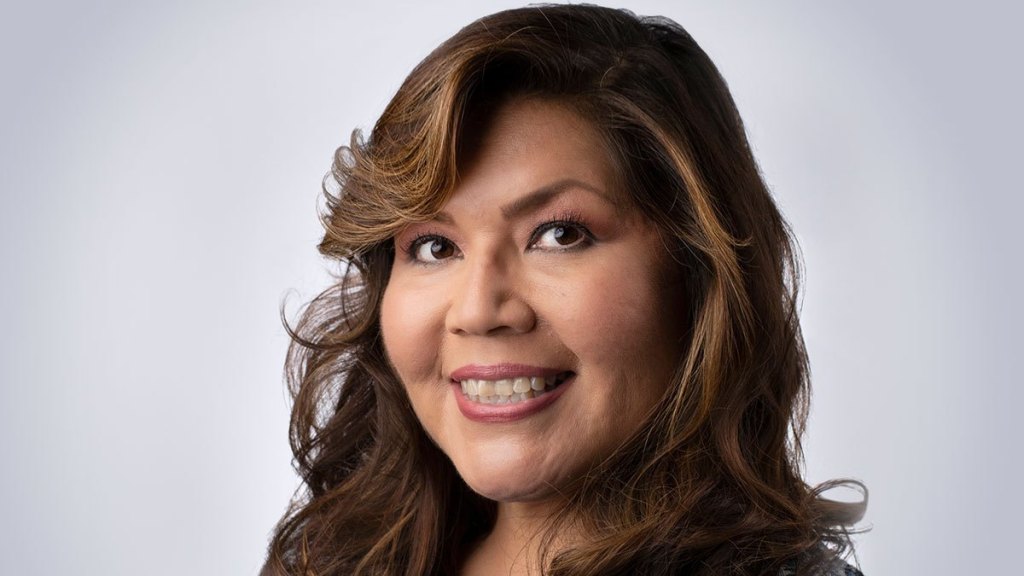
What I found interesting were the six Indigenous candidates winning their U.S. House races.  One of the new members is Democrat Kaiali’i “Kai” Kahele, who won his race in Hawaii’s 2nd Congressional District.  New Mexico boasts a barrier-breaking House delegation that is all women of color.  Along with Haaland, a member of the Pueblo of Laguna, Republican Yvette Herrell, who is Cherokee, unseated a Democratic incumbent in the 2nd Congressional District and Democrat Teresa Leger Fernandez, who is Latina, won an open seat in the 3rd Congressional District.  New Mexico’s population has a majority for people of color, with 49% Latina, 37% non-Latina white, and 11% Native American.  It is about time our Representatives actually “represented” us.

Thoughts:  I came across a news feed this week where the Cherokee Nation was (again) petitioning the government to honor its word.  In a treaty, ratified by the Senate and signed by President Andrew Jackson in 1835, the Cherokee Nation was granted a delegate to Congress.  It is 184 years later, and the pledge has not been honored.  Kim Teehee was named to that post in September by the tribe’s chief, Chuck Hoskin Jr.  The move set off a series of technical and moral questions for leaders in Congress, who are now tasked with determining whether to allow her to take her seat.  I am surprised and amazed how BIPOC peoples continue to trust in a system that has discounted them for over 500 years.  Given Tuesday’s vote, Indigenous people are already represented in Congress. Still, it would be nice to keep at least one promise made for stealing land.  Do the work.  Change is coming and it starts with you.
Count

November 4, 2020

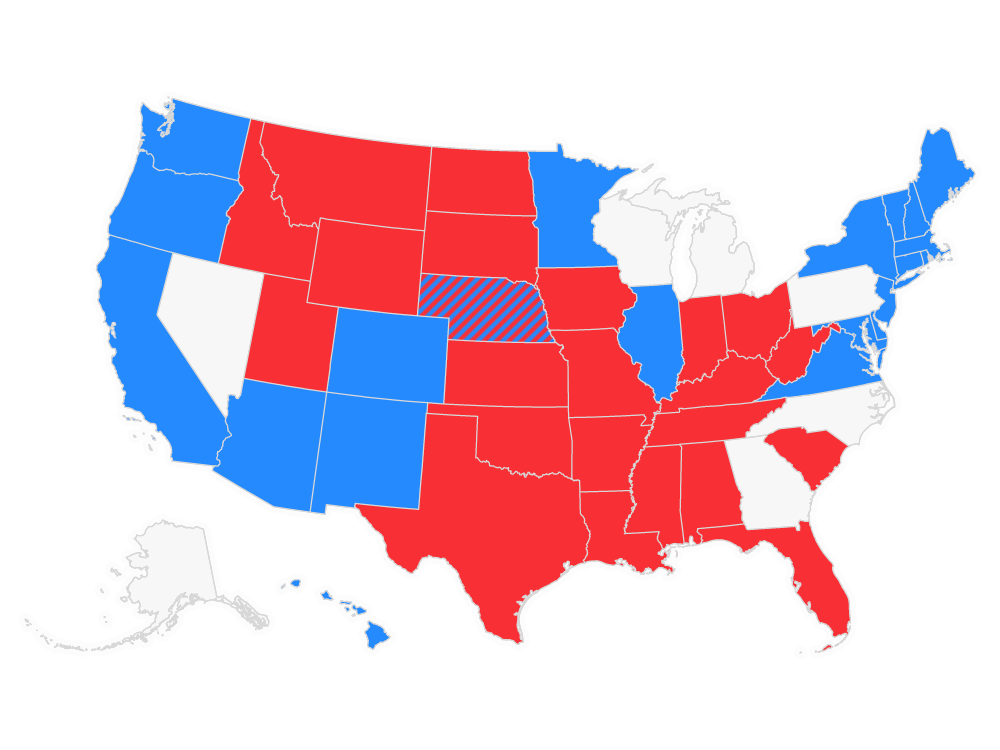
Just as predicted by many state officials, the vote was not decided on November 3rd.  What was not predicted was the crazy nature of the count.  Some voters heeded the warning of gathering in tight crowds and decided to mail in votes or vote early.  Others instead chose to brave the crowds and voted in person on the 3rd.  This creates confusion as states counted votes in a variety of ways.  Some started counting the early votes as they came in (although not releasing the numbers until yesterday) which resulted in early leads that began to dwindle as in-person voting numbers arrived.  Others took a different approach and even choose to not start counting until this morning.  This made early predictions impossible for nine states.

When I asked Melissa what to have for dinner last night, she said she would like Hors d’oeuvres.  This is our tradition for Super Bowl night.  Rather than having an entrée, we make a variety of side dishes and appetizers.  We then lay these out on either the kitchen peninsula or on the coffee table in the living room.  Last night we choose the living room so we could watch the election returns.  This also lets us “graze” throughout the night rather than having a specific mealtime.  As the night wore on, we either finished dishes or put them in the refrigerator.  Just like the count, it must end sometime.

One thing is clear.  The voting is over.  It ended as the last poll closed on the 3rd.  What is not clear is when the votes already cast will be counted.  It is not the case that more votes will be miraculously found to swing the election one way or the other.  The difficulty comes as the various states apply different laws to govern what counts.  Some provide that ballots need to be in the election office by poll closing while others specify, they need to be postmarked by election day and delivered by Friday.  Normally this would not create a problem.  This year is different due to the large number of absentee ballots sent to registered voters.  Every vote counts.  

Thoughts:  Regardless of who wins, the fact remains the pollsters got it wrong for the second presidential election in a row.  Four years ago, Clinton held a strong five-point lead according to the polls.  While she won the popular vote by around 3,000,000 votes, she lost the election.  This year the pollsters showed a stronger ten-point lead.  While Biden is leading by several million popular votes, the election is too close to call.  The purpose for the electoral College was because the Founders of our country did not trust the common person to make such an important decision.  We tell people their vote counts.  Maybe it really should.  Do the work.  Follow the science.  Change is coming and it starts with you.
Grizzly

November 3, 2020

I think it is appropriate with Halloween barely in the taillights to talk about scary movies.  As Melissa and I recounted some of our own movies it was interesting to see how different we were.  For me it has always been science fiction movies.  This stems from a movie I watched when I was in grade school (by myself on a Saturday afternoon) about a race of aliens that used robots to invade the earth.  The bots would sneak up behind the humans and zap them with gamma rays, causing them to disintegrate.  Our house had a secondary entrance that was at the base of the stairs leading to the second-floor bedrooms.  For three years I ran up the stairs just in case there was a robot at the door waiting to zap me.

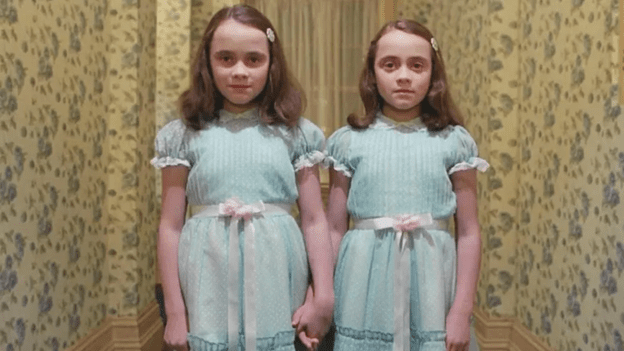
When I looked online about movies it said the scariest of all time was The Shinning.  Even if you have not watched Stanley Kubrick’s masterpiece, you probably know about The Shinning by Jack Nicholson’s (apparently ad-libbed) “Heeeeeeeere’s Johnny.”  Given that this is a Stephen King adaptation the winter months do not go well. The Overlook Hotel, it turns out, does not like people.  The reason this is the top is because The Shining “just feels evil.”  From Jack Nicholson’s deranged performance as a man descending into murderous insanity to Kubrick’s relentless direction as we hypnotically follow Danny navigating the hotel corridors on his trike, this is a movie that never lets you feel safe.  While I liked the movie, it did not have any robots, so I was not scared.

Melissa said her nemesis was a movie about a grizzly bear that had developed a taste for human flesh.  This was a 1976 thriller about a park ranger’s attempts to halt the wild rampage of an 18 ft tall, 2,000-pound man-eating grizzly that terrorizes a National Forest.  While this is widely considered a Jaws rip-off, Grizzly scared Melissa to death.  This was not helped by the fact that she saw it as part of a slumber party when she was twelve.  The father of the girl she stayed with dressed up in a bear outfit and broke in on the girls at one in the morning.  Melissa had nightmares for three months.

Thoughts:  I previously mentioned Halloween is based on the idea of the proximity of the world of the living and the world of the dead.  As we transitioned from summer into winter, we faced the fear that the sun would never return.  Even though this was irrational, it was not more so than the thought that alien robots would zap us, or grizzlies would maul us.  Most scary movies prey on our primal fears.  My fear of robots as a child stems from an innate fear of the unknown.  Melissa’s fear of a grizzly steams of an innate fear of the predators that stalked us when we were undeveloped primates.  Both are scary.  We are amid a scary time as a nation and world as well.  We need look beyond the surface to embrace the underlying fear.  That is the only way to make it better.  Do the work.  Follow the science.  Change is coming and it starts with you.
Festival

November 2, 2020

I have lived through three different generations of celebrations around the day called Halloween (mom has me beat with four).  I lived in a small town when young and we used to roam all over the north side of the one square mile town limits (split by the main street highway).  We knew all the best houses and made sure to visit them.  We received, full sized candy bars, caramel apples, and popcorn bars, along with penny candy. When I took my son Alex treating, we went to specific houses we knew we could trust.  There were stories of people putting things in the treats and I removed anything that was not wrapped.  That morphed into the trunk-or-treat locations at churches and malls.   

Halloween literally means “hallowed evening,” and was previously known to early European celebrators as All Hallows’ Eve.  The name was eventually shortened to “Halloween,” which we know today.  Halloween falls on October 31 because the ancient Gaelic festival of Samhain, considered the earliest known root of Halloween, occurred on this day.  It marked a pivotal time of year when seasons changed.  More importantly, it was believed the boundary between this world and the next became especially thin at this time, enabling you to connect with the dead.  This is also where Halloween gains its “haunted” connotations.

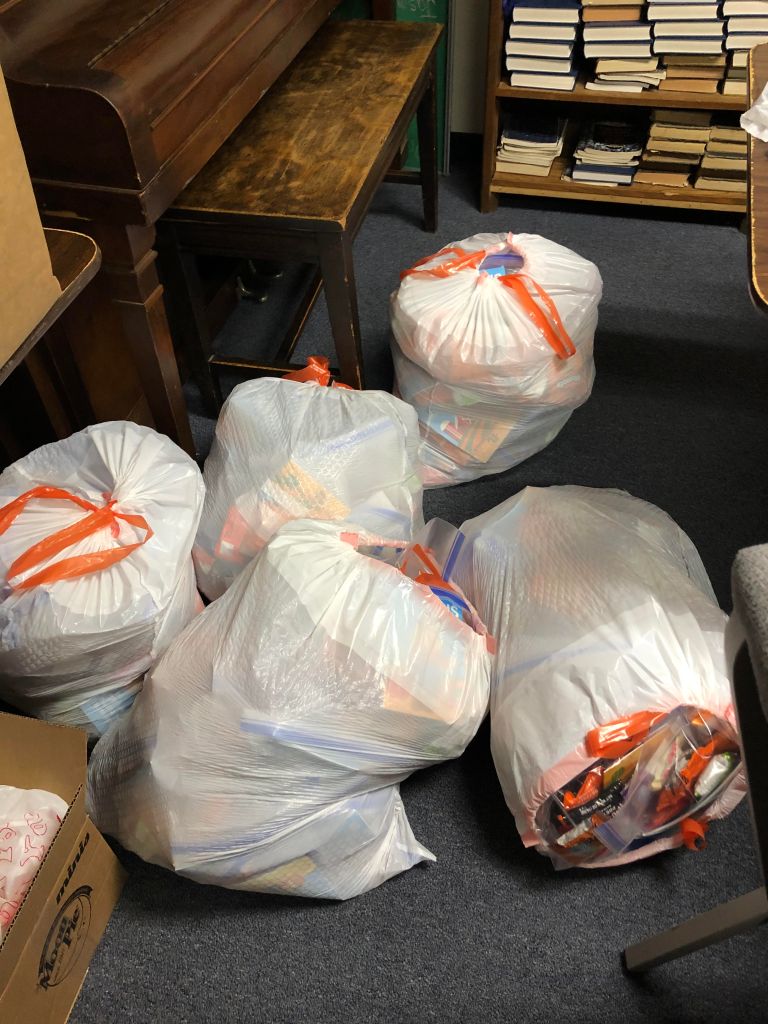
Treating morphed again with the coming of covid-19.  Our local church stagged a modified version of trunk-or-treat.  It is no longer safe to stand costumed and hand out individual candy from the trunk of a decorated car.  Instead the candy and treats were placed in individual bags the week before (stored in the picture above).  Cars then drove through the portico at the front door and each child was given a separate bag by a masked volunteer.  I heard there were 175 bags of treats handed out.  While this was different than the popcorn balls and caramel apples of my day, I am sure it was appreciated as much.  Free candy is still a good thing.

Thoughts:  Halloween began as the ancient Gaelic festival of Samhain by at least the 4th century BCE.  It has been morphing ever since.  Over the last decades, there has been another change as churches have replaced Halloween parties with Harvest Festivals.  The idea was to not deprive the children of the fun of games and treats yet remove the “haunted connotations.”  This is not surprising.  We often reinvent older traditions into modern concepts (such as Christmas?).  While the festivals may continue unchanged, the meanings alter why we are doing them.  Whether we gather in large groups or small families, it is the time together that is important.  This holiday season we need to follow the science.  Change is coming and it starts with you.