Connected

September 02, 2021

When I visited with the mayor several weeks ago, I noticed city hall had a drug disposal box located in the lobby.  It made sense since city hall also houses the police department.  We had left over drugs since Melissa’s dad died two years ago.  I did not know what to do with them, but I did know better than to either flush them or throw them into the landfill.  These dangerous chemicals tend to “travel,” especially when put into the water system.  Drop off facilities and businesses are registered with the US DEA to collect unused or expired medicines.  The collection sites safely and securely gather and dispose of unused or expired medicines and controlled substances.  There are various collection locations depending on the community.  Dropping our drugs in the collection box kept them out of the system.

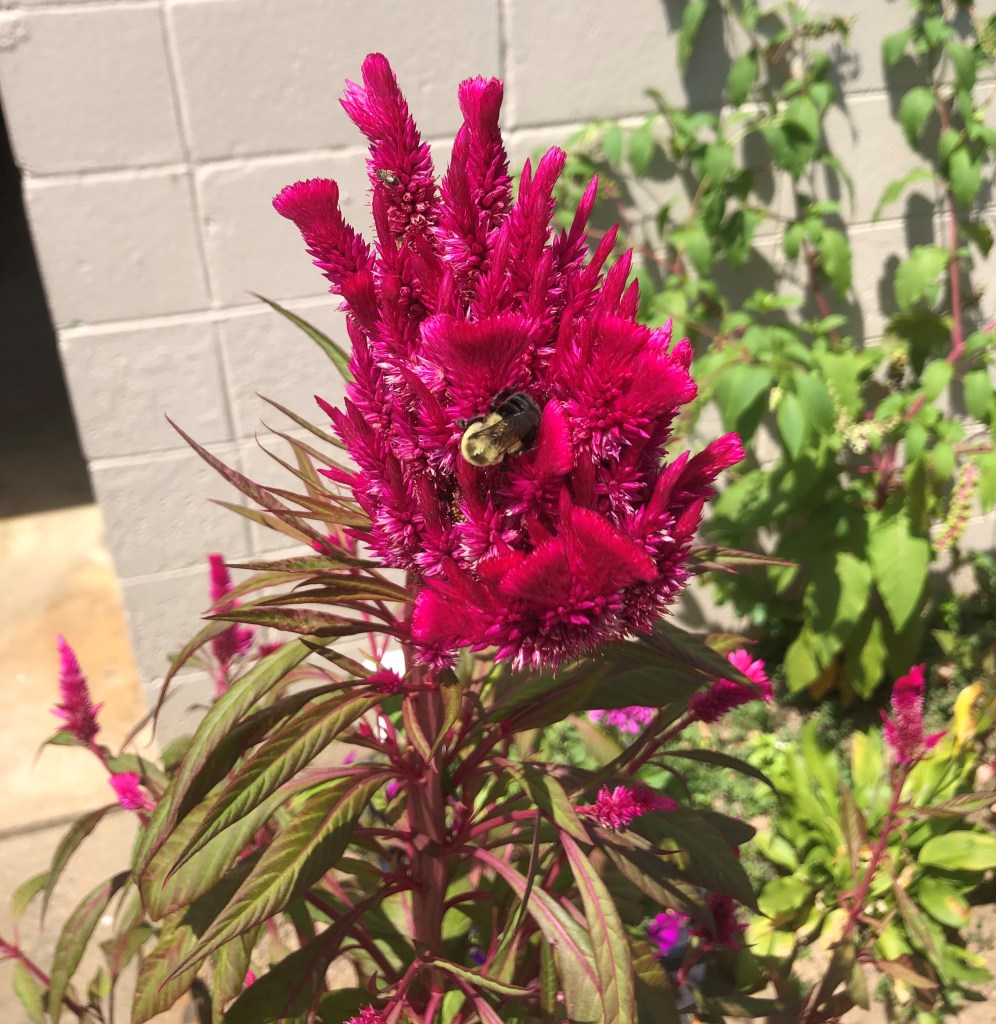
As I was leaving city hall, I noticed the beautiful array of flowers blooming along the front of the building.  The vibrant colors of the Cockscomb (Celosia argentea var. cristata) made a dramatic display.  The species was likely originally native to India, where it was saved from extinction in cultivation by the religious significance attached to the variety by Indian, Burmese, and Chinese gardeners who planted it near temples.  The name cockscomb is used as the flower looks like the head on a rooster (cock).  The plants are resistant to most diseases and grow equally well indoors or out.  The perfect place is one with no shade and a well-drained soil, as the plant is susceptible to fungal diseases.  The front of city hall is an east facing building.  The cockscomb was doing well.

When I looked closer, I noticed a large bumble bee busily gleaning the flower for nectar.  The Common Eastern Bumble Bee (Bombus impatiens) is the most encountered bumblebee across much of eastern North America.  They can be found in the temperate forest regions of the eastern US, southern Canada, and the eastern Great Plains.  They are highly adaptable and can live in the rural areas, suburbs, and urban cities.  This adaptability makes them a great pollinator species, leading to an increase in their commercial use by the greenhouse industry, causing them to spread far beyond their distribution range.  They are considered one of the most important species of pollinator bees in the US.  North America’s bees are under attack from the Asian Giant Hornet (Vespa mandarinia), the world’s largest hornet.  The “murder hornet” is native to temperate and tropical Asia, but individuals were found in the Pacific Northwest in 2019.  The first nest of 1500 hornets were located and eradicated last week.

Thoughts:  Like many things in life, today’s stories are connected.  Going to city hall led to the disposal box, going to the disposal box led to seeing the cockscomb, seeing the cockscomb led to the bee, and the bees are under attack by the hornets.  This is an illustration of how we are all connected by the increasing globalization of our planet.  Being connected has its drawbacks, as the virus spread to a pandemic less than two months after being identified.  Being connected also has benefits, as digitization and the internet provide research avenues impossible two decades ago and in part led to the rapid development of a vaccine.  Humans developed as social animals who need to feel connected.  Whether we do this by touch and intimacy or through social media, being connected is critical to our understanding of self.  Do the work.  Follow the science.  Change is coming and it starts with you.
Levees

September 01, 2021

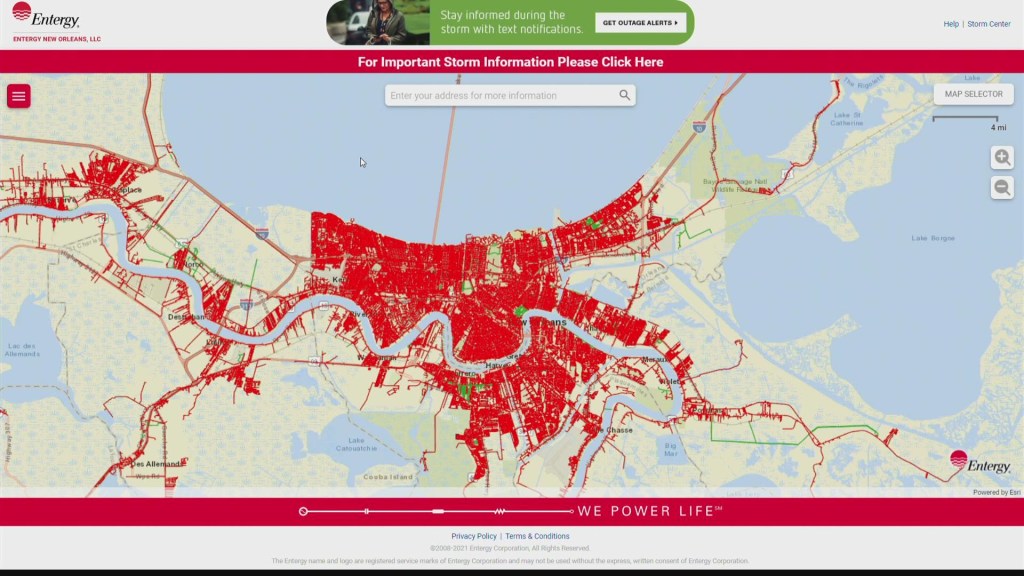
One of Melissa’s bucket list ventures was to attend Mardi Gras in New Orleans.  We were finally able to do so in 2016.  Even though this was eleven years after Hurricane Katrina devastated the city, the aftermath was still evident in the quarters along the river where the levees had failed.  When Hurricane Katrina came ashore in August 29, 2005, there were over 50 failures of the levees and flood walls protecting New Orleans and its suburbs.  The levee and flood wall failures caused flooding in 80% of New Orleans and all of St. Bernard Parish.  I recalled our visit and the devastation still evident as Ida tested the levees over the weekend. 

When I looked online, I found the Army Corps of Engineers had assured the city the new $14 Billion fortified system would hold.  The new levees and retaining walls had come into question as early as 2017.  “These systems that maybe were protecting us before are no longer going to be able to protect us without adjustments,” said Emily Vuxton, policy director of the environmental group Coalition to Restore Coastal Louisiana.  The cost for needed repairs could be hundreds of millions of dollars, mostly paid for by federal taxpayers.  Vuxton believes the work and cost are necessary to protect the people of New Orleans.  The protection system was rebuilt over a decade and was finally finished in 2016 with installation of the last pumps.

After the work was completed, the Army Corps projected the system will “no longer provide [required] risk reduction as early as 2023.”  This projection illustrates the rapidly changing conditions brought on by sea levels rising faster than expected and erosion wipes out protective barrier islands and marshlands in southeastern Louisiana.  The primary concern are the earthen levees that form the backbone of the 350-mile maze of protection that includes concrete floodwalls, pump stations and gated structures.  The levees are losing height as they start to settle.  This is a natural phenomenon but is exacerbated by the soft soils in southern Louisiana.  Some floodwalls are built into the levees, so they are sinking as well. 

Thoughts:  Much of the flooding during a hurricane comes from the storm surge as winds push sea water inland.  Fortunately, estuaries can help protect the coast from some of the harmful effects.  The wetlands surrounding an estuary act like sponges, soaking up the storm surge and reducing the impact on coastal communities.  Sand dunes help absorb much of the energy of lashing waves, and salt marshes help reduce erosion caused by heavy rains accompanying a hurricane.  Unfortunately, the marshes along streams and estuaries are disappearing fast.  Nitrogen from fertilizers and sewage makes marshes grow faster, but the roots grow smaller so the soil can’t hold the bigger plants, causing soil banks to collapse and marshes to turn to mud.  Nature works as a system that we have placed in precarious balance.  We need to move beyond the band-aids and address the real issues of climate change.  Follow the science.  Change is coming and it starts with you.
Fatigue

August 31, 2021

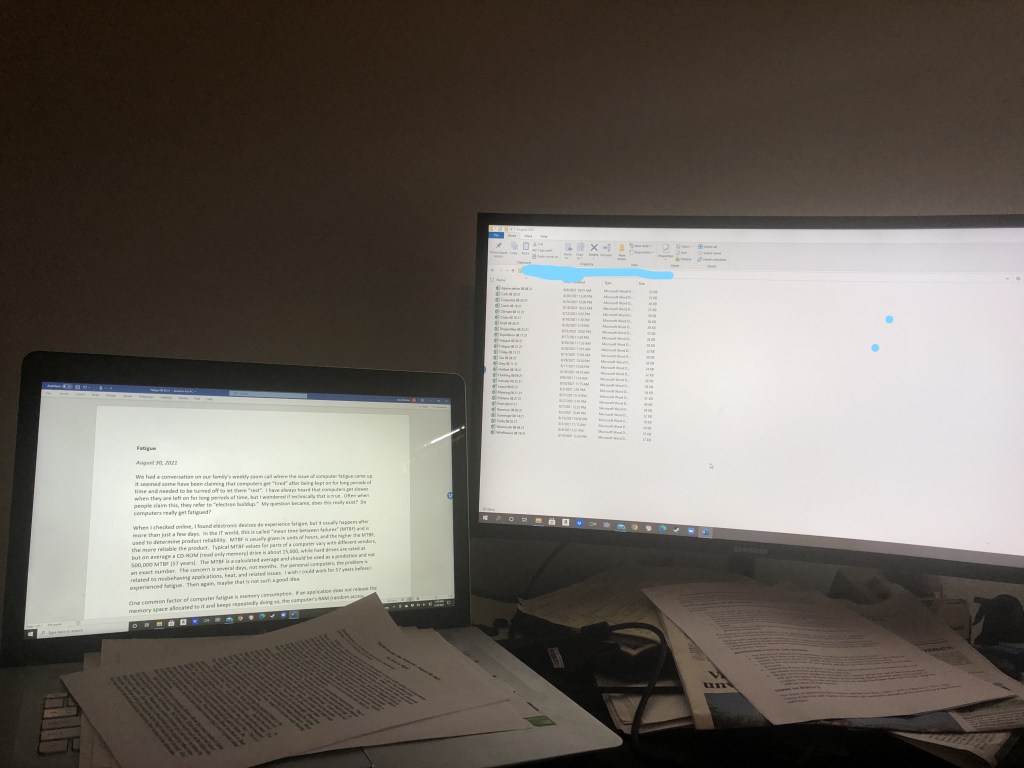
We had a conversation on our family’s weekly zoom call where the issue of computer fatigue came up.  It seemed some have been claiming that computers get “tired” after being kept on for long periods of time and needed to be turned off to let them “rest”.  I have always heard that computers get slower when they are left on for long periods of time, but I wondered if technically that is true.  Often when people claim this, they refer to “electron buildup.”  My question became, does this really exist?  Do computers really get fatigue?

When I checked online, I found electronic devices do experience fatigue, but it usually happens after more than just a few days.  In the IT world, this is called “mean time between failures” (MTBF) and is used to determine product reliability.  MTBF is usually given in units of hours, and the higher the MTBF, the more reliable the product.  Typical MTBF values for parts of a computer vary with different vendors, but on average a CD-ROM (read only memory) drive is about 15,000, while hard drives are rated at 500,000 MTBF (57 years).  The MTBF is a calculated average and should be used as a prediction and not an exact number.  The concern is several days, not months.  For personal computers, the problem is more often related to misbehaving applications, heat, and related issues.  I wish I could work for 57 years before I experienced fatigue.  Then again, maybe that is not such a good idea.

One common factor of computer fatigue is memory consumption.  If an application does not release the memory space allocated to it and keeps repeatedly doing so, the computer’s RAM (random access memory) will be fully occupied.  That means additional applications will be sent to the swap space or will fail.  Another factor is related to temperature.  Electronic devices are designed to operate optimally in an environment that is usually too cold for humans.  If they are not kept cold enough, they malfunction.   Computers that work for several days may accumulate excessive heat and might have problems getting rid of it without being turned off.  I have been told newer operating systems are designed to run constantly, but the science suggests doing so will cause fatigue.

Thoughts:  I took a computer repair class many years ago where we dismantled and then restored a computer.  This gave me the confidence to preform many repairs and upgrades on the older computers I worked with.  Like new models of cars, repairs now seem to require sophisticated equipment.  One idea I learned does still work.  If your computer or device freezes or has a glitch, turn it off, wait ten seconds, then turn it back on.  If the problem is resolved, do not worry about it.  Now I realize the glitch was probably caused by heat or fatigue.  During the pandemic many workers have reported the undue stress of their jobs has led to mental fatigue.  We all need to find a way step back, take our “ten seconds” to shut down, and then reboot.  Do the work.  Follow the science.  Change is coming and it starts with you.
Ida

August 30, 2021

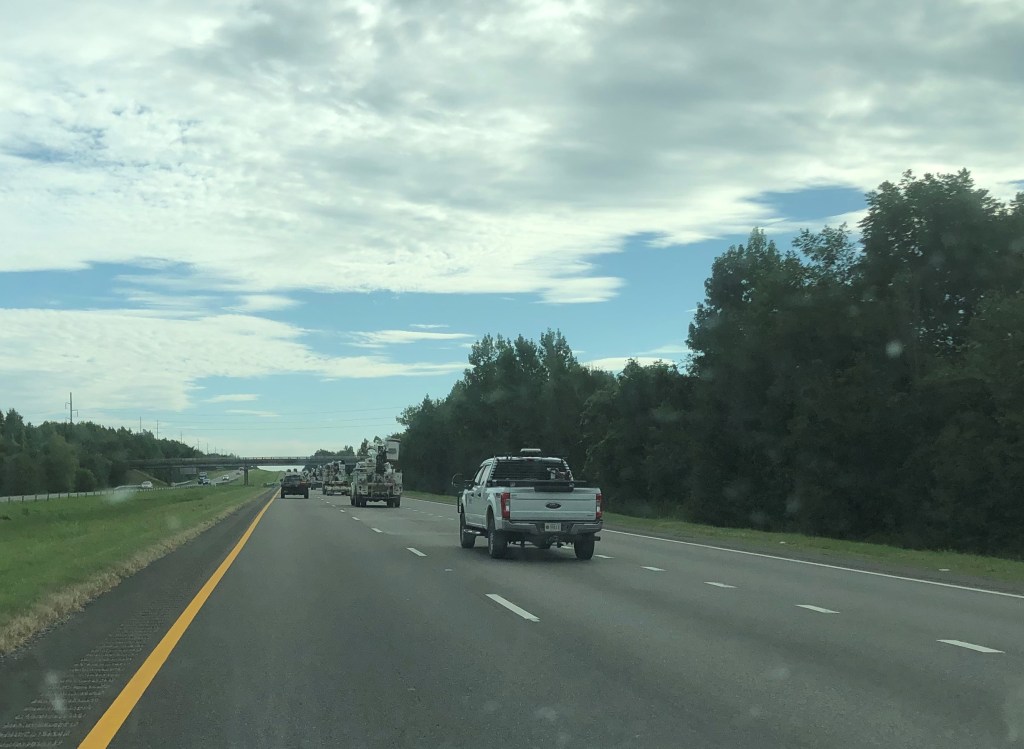
Most of the drive while I go to work is along parts of three interstates.  Yesterday I passed a convoy of eight bucket trucks and the two support vehicles headed east.  As I turned north along another interstate there were two other bucket trucks that passed headed south.  It looked like the utility companies were gearing up for the loss of power that Ida was predicted to bring Louisiana later that evening.  I realized the long drive these workers had ahead of them was going to be followed by even longer days and nights as they worked to repair the damage caused by hurricane Ida.

Ironically, Ida hit Louisiana on the 16th anniversary of the day Hurricane Katrina devastated New Orleans.  When Ida hit as a Category 4 hurricane it knocked out power to the entire city of New Orleans.  Late Sunday night Mayor LaToya Cantrell tweeted, “We have now lost power, citywide!  This is the time to continue to remain in your safe places.  It isn’t a time to venture out!!”  The area’s utility company reported all eight transmission lines that deliver power to New Orleans were out of service.  At least one person died, and power is out across Louisiana and Mississippi on Monday.  Louisiana Governor John Bel Edwards said virtually no one in the state has electricity and many water systems are also out.  That is the reason for the bucket trucks making their way to Louisiana.

As Ida crashed ashore Louisiana was already reeling from a resurgence of covid-19 infections that has strained the state’s healthcare system.  There are an estimated 2,450 covid-19 patients hospitalized statewide and many are in intensive care units.  Hospitals are required by law to store at least 24 hours of diesel fuel onsite to counter a power outage.  Still, at least one hospital was reported without power last night.  During Hurricane Katrina, some hospital staff evacuated New Orleans when they were expected at work, and hospital administrators have since better communicated emergency plans to reassure all staffers that their safety is of prime importance.  Patients, staff, staff families, and even pets were put at risk when Ida hit and will remain so during the aftermath.

Thoughts:  I found another report on the effect of Ida while I researched online.  When Hurricane Irma hit Florida thousands of line workers streamed into the state to repair the damage.  While this is a noble service, it is also greatly rewarding.  As the monstrous storm was expected to knock out power to half of the nation’s third most-populous state, the workers had been told to expect at least a month of straight 16-hour days, with no breaks, trying to restore power to millions of homes.  Many of the journeyman linemen savored both the financial opportunity and the adventure of racing into a historic hurricane.  “I’ll probably make 30 grand this month,” one worker commented.  “Of course, you’re dealing with something that could kill you any minute.”  Another pro and con of being an essential worker.  Do the work.  Follow the science.  Change is coming and it starts with you.
Gas

August 28, 2021

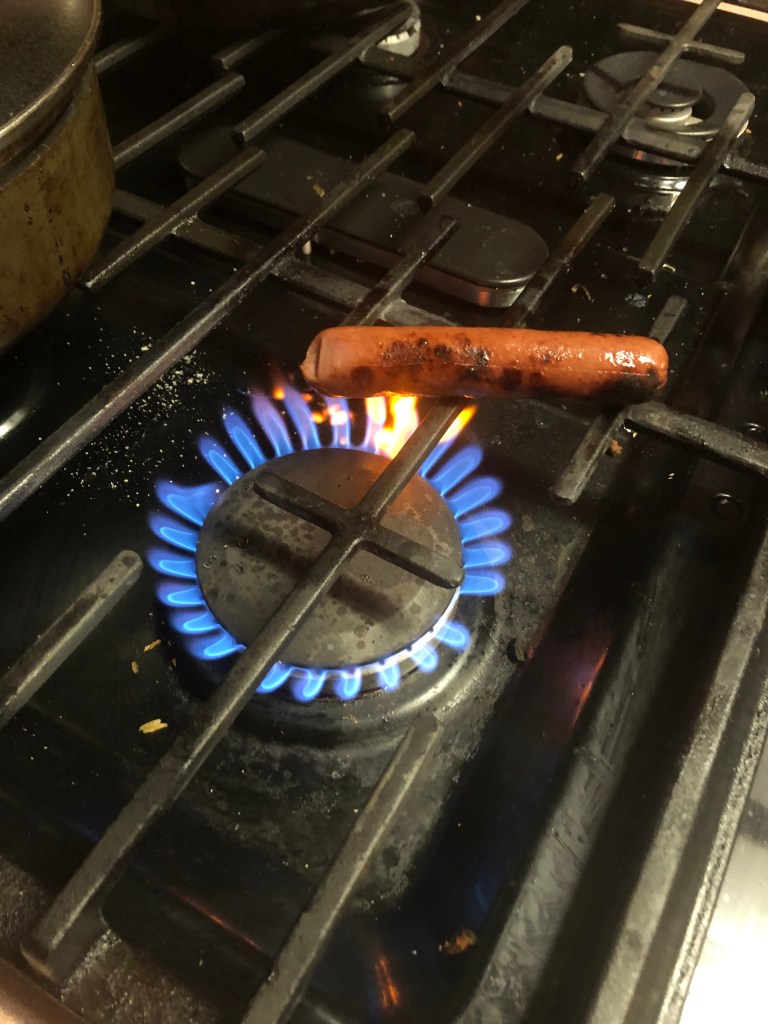
I always thought it odd when Melissa cooked a hotdog over the gas burner on our stove.  I usually pop the dog in the microwave and zap it for a minute.  The dog is hot, and I do not have to mess with it during cooking.  Melissa instead swears by the gas burner.  She likes her hotdogs with the sear marks the gas flame makes.  We have a meat fork with a long handle so she will skewer the dog and then toast it over the flame.  While I prefer to cook my dogs outside on the grill, it seems silly to fire up the grill for just one dog.  Even when I do grill outside, I tend to cook both dogs and burgers, saving the leftovers to later zap in the microwave.  Last week I decided to give the gas stove a whirl.

When I looked online, I found there are two types of gas commonly used in homes, and our house uses both.  We use natural gas inside (cooking and heating) and propane gas outside (grilling).  The difference between natural gas and propane can be confusing since propane is one of the fuels that make up natural gas, along with butane, methane, and ethane.  Propane becomes a fuel on its own when it is separated during processing.  Both fuels are highly flammable but natural gas can be more dangerous as it is connected to wide-spread gas lines monitored by utility companies.  When the lines rupture it can be catastrophic.  Propane is generally stored in individual tanks.  While these tanks can be quite large, there is a limited amount of gas in each tank.  The real difference comes in cost.  While prices vary, natural gas is about one fourth the coast per BTU as propane.

When I decided to cook my hotdog over the gas burner, I did not want to waste time looking for the meat fork.  Instead, I placed the dog directly on the stove grill.  The dog kept rolling around as it cooked, and it was hard to get an even distribution of the flame.  While this may not have been the best choice, it did work.  One of the interesting sidelights to cooking my dog this way was watching the flame as it licked the hotdog.  Droplets of grease would sweat out of the cooking dog and catch fire, causing a constant spray of sparks.  I thought this was a good thing, as it kept the grease from dripping onto the stove surface and having to be cleaned off.  Always look on the bright side of life.

Thoughts:  I got the first gas stove I remember when I moved back to Kansas.  I never thought about the difference between gas and electric stoves until I again moved to a house with electric.  The difference was noticeable when I cooked my ribs.  The propane gas on the grill always seemed too hot so I started cooking the ribs in my gas oven.  This allows me to produce fall of the bone ribs in 4 ½ to 5 hours.  When I moved to a house with an electric stove, I found it dried out the meat, while the gas kept it moist.  Even though natural gas is considered a greenhouse gas, it burns with 50% fewer emissions than coal.  While natural gas spills are toxic to the environment, propane gas leaks do not harm the local water or soil, and again would come in smaller volumes.  Both are considered eco-friendly fuels.  Finding and using eco-friendly energy sources may not always be the least expensive in the short run, but it sure beats destroying the planet for our progeny.  Follow the science.  Change is coming and it starts with you.

Poblano

August 27, 2021

My Poblano pepper has been giving me loads of tiny peppers and my two Jalapeno peppers have slowed down now that it is so hot.  I end up watering every morning and hoping they can make it through the day.  I have tried watering at night, but it does not cool off until nearly sundown and I do not like them to sit in the damp overnight (root rot).  Yesterday I decided to harvest everything that looked ripe even if it was small.  I ended up with a pile of peppers, split about half and half between the jalapenos and poblanos.  The easy part was picking, now I had to decide what to do with them.

When I looked online, I found the genus Capsicum is native to southern North America and northern South America.  The species (Capsicum annuum) encompasses a wide variety of shapes and sizes of peppers (mild and hot), such as bell peppers, jalapenos, and poblanos.  the spiciness of a pepper is caused by the amount of capsaicin present in the pepper.  The more capsaicin, the hotter the pepper.  The poblano generally has less capsaicin and is milder than the Jalapeno.  Fresh poblanos have a mild, slightly sweet flavor, although if they are left to ripen until they’re red, they taste much hotter.  Dried poblano peppers that are fully ripe and deep red are known as ancho chiles.  A mature jalapeno pepper will also turn red, and when dried is known as a chipotle pepper.  Many of my jalapenos and poblanos had turned red, meaning they are both hotter.

Last year I received a bag of jalapeno peppers from my gardener friend.  When I cut them up to freeze along with mine, I had four one-quart zip locks that lasted through the winter.  I found out something else as well.  Never spend an hour cutting jalapenos without wearing gloves.  My hands burned for the rest of the day.  This time I did not have as many peppers to cut, but I did have the poblanos to process.  I retrieved a pair of nitrile gloves from the garage to be safe.  Thirty minutes after I finished cutting the peppers, my hands again began to burn.  It was not as much as last year, and it went away sooner, but it was still very noticeable.  At least I had been smart enough to put my contact in prior to cutting.  There is nothing quite as exciting as jalapeno eye (or poblano!).

Thoughts:  After chopping the jalapenos I divided them into two freezer bags to store for later.  Next, I tasted one of the poblano peppers to test the level of heat.  It was palatable, so I decided to make my poblano casserole.  This is a variation on stuffed peppers but uses cut up pieces of peppers covered with a sausage, rice, and cheese mixture.  When I researched the types of peppers, I was surprised to find they were all varieties of the same species.  Each variety of pepper look completely different and vary in the amount of spiciness.  Even peppers from the same plant can vary depending on the amount of water they receive and how long they are left to mature.  When dried they are given a different name, even though it is the same pepper.  It struck me that peppers are a lot like humans.  Depending on our variety, how we are raised, how we mature, and our living conditions, dramatically alter how we look and behave.  Yet we are all the same species.  Do the work.  Change is coming and it starts with you.

Draft

August 26, 2021

Last night we held our Fantasy Draft for the upcoming Fantasy NFL season.  I mentioned last year that my son manages our draft, and it always seems to be a chore for him to get the ten teams (people) necessary to form our league.  This year was no different as we were still one team short going into the morning of the draft.  I offered to add Melissa to the league, and then manage her team myself.  He declined as this would increase my odds of winning from 10 to 1 to 5 to 1.  Then I suggested we keep the team for the person who dropped and let it auto draft and play the season without changes.  While this could have worked, he was able to find a player at the last minute and the draft went forward.

When I checked online, I found three types of Fantasy football leagues.  Traditional leagues tend to run for the entire season and normally culminate in playoffs.  Keeper or dynasty leagues are initially drafted in the same fashion, but each team can retain a certain number of players from one year to the next.  A dynasty league is a variation where each team retains all players who have not retired, and subsequent drafts only involve rookie players who are joining the NFL for the first time.  Daily fantasy leagues are accelerated versions of the format over shorter periods (a week or even day).  These contests are run by fantasy companies and involve large groups of people playing as part of a betting pool.  This has led some jurisdictions to regulate these games as a form of gambling.  Go figure.

One of the problems with our league is that it is made up of a diverse group of family and friends whose only real contact is Alex.  The league began as family members closely related to Alex.  After the first year several members grew tired of tracking and updating their team and decided to stop playing.  This is our sixth year, and the degradation has continued.  Last year we almost missed (appropriate for 2020) but did finally start two games into the season with all teams selected by the computer auto draft.  That meant the league shifted from family to family and friends and has now grown to family and friends of other family.  I have found the further from the source (Alex), the less investment there is in the game.

Thoughts:  When I went to my draft site there are all kinds of aids to help draft, including a mock draft and strategies to draft the right people.  While some aids were free, others required a subscription.  According to the Fantasy Sports Trade Association, Fantasy football generates revenue of around $7 billion per year in the US and Canada.  Traditional games are often played in small groups of familiar individuals who may or may not play for money.  After I wrote about our draft problems last year, I received a comment from my cousin that she was in three leagues and all three were related to work or social groups.  During the pandemic people were forced to find new ways to stay connected.  Some of these virtual connections are being maintained while others are not.  Like my fantasy draft, it depends on your wiliness to invest time and resources in the group.  We need to invest in groups that open our horizons rather than close our doors.  Do the work.  Change is coming and it starts with you.
Intruder

August 25, 2021

After our brush with the ants yesterday I received a text from my mom that told of an intruder who had gotten into her house.  She was in her chair and getting ready to go to bed when she looked down and saw a toad on the floor.  My brother happened to be spending the night, so she cried out, “Dana, come here!”  My brother thought something was wrong and rushed in to see what he could do to help.  When mom told him about the toad, he caught it and put it back outside.  Mom mentioned she had seen the toad hopping around on the back patio several days earlier.  Apparently, it had snuck it when the door was open.  Maybe the toad just wanted to watch TV.

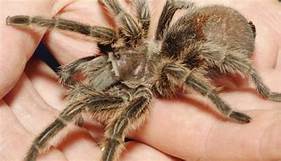
The reason we have quarterly pest control is to keep any unwanted intruder from entering our house.  This includes the flies, ants, and spiders that naturally live in our neighborhood.  I recall as a as a boy in Kansas seeing a large tarantula on my grandmother’s bed.  She hit it with a broom and took it outside.  When I looked online, I found the Texas brown tarantula (Aphonopelma hentzi) is the primary species in Kansas.  Their coloration ranges from light brown to black, and their bodies are covered with dense hairs that the spiders fling at the eyes of predators when threatened.  They are shy, docile creatures, but a tarantula can seem to be aggressive when it feels threatened, as it rears up on its back legs and exposing its fangs ready to attack.  Utah State University Cooperative Extension suggests that if a tarantula does enter your home, “Put an open container on top of the spider and slide a piece of paper under the opening.”  After trapping the intruder, you can safely release it outside.  I wonder why my grandmother did not think of that.

Both stories remind me of another intruder I encountered at Boy Scout Camp.  We had set up our four-person tents and were lounging around talking when one of the boys noticed a huge tarantula (memory says three inches, but . . . ) crawling across the ceiling of the tent.  While the other boys were freaked out, I decided I would catch it and let it go in the woods.  I got my metal cup and scraped the spider into it.  After carrying it outside, I flung the spider toward the brush.  Apparently, the spider had been holding onto the cup, because rather than going toward the brush it shot up in the air, landing on my right ear.  Now I was the one freaking out.  Spiders have never bothered me, but after that incident spider webs do.  You never know where the spider might be.

Thoughts:  Tarantulas live in twelve US states, including New Mexico, California, Arizona, Louisiana, Texas, Arkansas, Nevada, Utah, Colorado, Oklahoma, Kansas, and Missouri.  Because female tarantulas rarely leave their burrows and males venture out only in search of females, it is rare to encounter one of these spiders in the home.  That is why most experts recommend you capture and remove the tarantula rather than killing them.  Many people treat spiders much like Indiana Jones, “Why does it have to be spiders!”  While we may see insects and spiders as an intruder, we are the intruder on their space.  They are just adapting to the new environment that we created.  We need to find ways to live in harmony with both wild creatures and people.  Too often we just see them as pests.  Do the work.  Follow the science.  Change is coming and it starts with you.
Carpenter

August 24, 2021

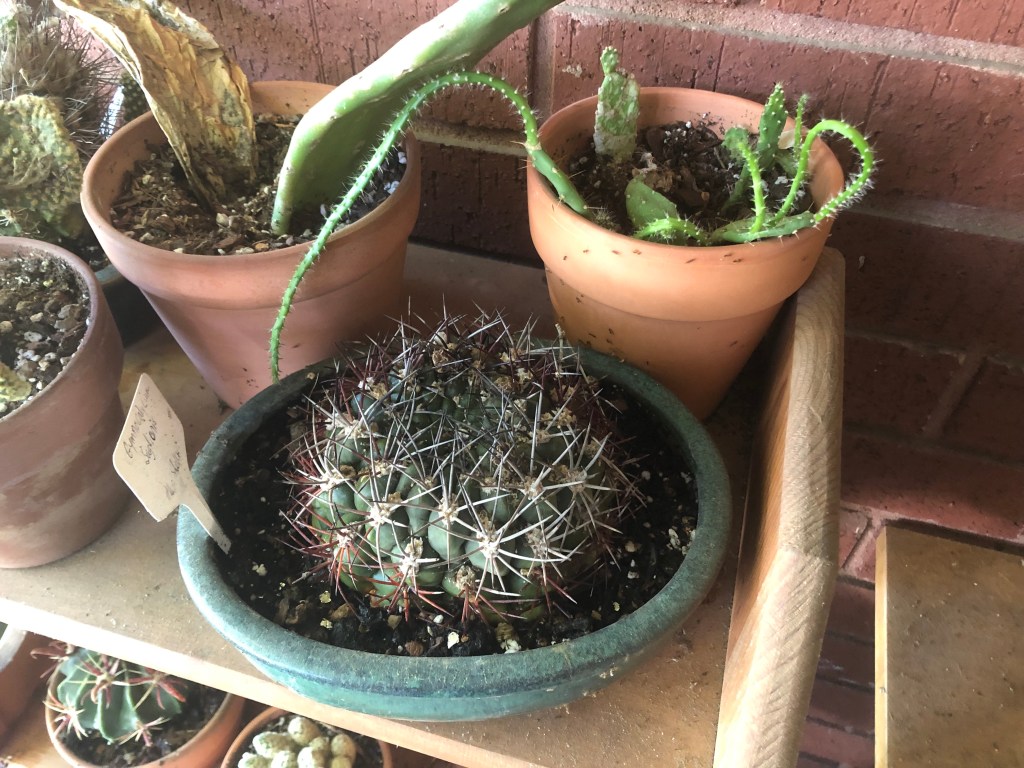
After work yesterday Melissa went out on our front porch to water the succulents suffering in the intense heat.  Even though they are not in direct sunlight, the 100+F temperatures are taking their toll.  I must keep reminding myself that succulents are not cacti.  When she spritzed one of the plants with water there was a huge explosion of movement.  At first Melissa was not sure what it was but only a swarming mass of small bugs that immediately began to climb from the table toward the eaves of our house.  After the initial shock she realized they were carpenter ants, and almost every ant was carrying what I thought to be an egg case to safety.  The exterminator is returned this morning.

When I looked online, I found that Carpenter ants (Camponotus spp.) are large (0.3 to 1.0 inch or 0.76 to 2.54 cm) ants indigenous to many forested parts of the world.  They build nests inside wood consisting of galleries chewed out with their mandibles, preferably in dead, damp wood.  Unlike termites, they do not consume wood, but instead discard the chewed material that resembles sawdust.  While their ability to excavate wood helps in forest decomposition as carpenter ants hollow out sections of trees, they also infest wooden buildings and structures causing major structural damage.  The genus includes over 1,000 species.  

Carpenter ants are considered both predators and scavengers.  The ants are foragers that typically eat parts of other dead insects or substances derived from other insects.  Common foods include insect parts, “honeydew” produced by aphids, or extrafloral nectar from plants.  They are known for eating other sugary liquids such as honey, syrup, or juices.  They also farm aphids.  In farming, the ants protect the aphids while they excrete a sugary fluid called honeydew, which the ants get by stroking the aphids with their antennae.  Carpenter ants can increase the survivability of aphids when they tend them.  While they tend many aphid species, they can express a preference for specific ones.  Seems another example of the teacher’s “pet.”

Thoughts:  Melissa found critical information when she researched why her large succulents were dying.  She had asked other growers and they had all suggested the problem was likely overwatering.  After the exterminator left Melissa was checking her plants and squeezed one of the dying plants.  Once again, the ants swarmed from inside the lobe.  What she found (and confirmed online) was that she had an aphid infestation on her plants.  As the plants decayed, they released a sweet sap that attracted the ants.  The “egg cases” being whisked away by the carpenter ants were likely tiny aphids the ants were protecting.  Now that the pieces have come together, Melissa can resolve the issue of dying succulents.  The same can be said for the rapid development of the vaccine.  Researchers had to determine the root cause of the virus to determine how to fight it.  Once the genetic stain was identified it could rapidly be addressed and a viable vaccine created.  Problem, analysis, solution.  That is why they call it science.  Follow the science.  Change is coming and it starts with you.
Dragonflies

August 23, 2021

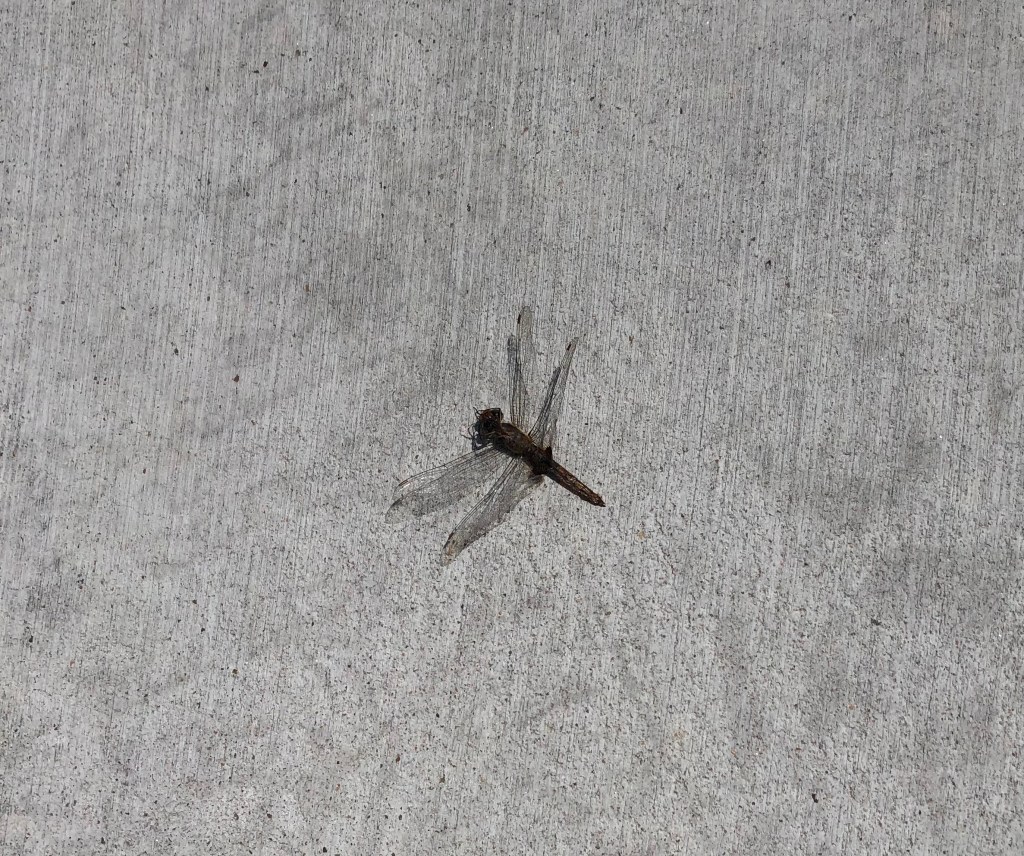
When I left work last week, I was greeted by a swarm of Dragonflies.  While I have often seen Dragonflies around the lakes I fish, my work is at least a half mile (800 meters) from the nearest water, and that is a stream rather than the placid water of a lake.  There had to be at least 30 dragon flies circling in a massive mating dance.  While it was intriguing to watch them swarm, I wondered why they were there, and where they would ultimately lay their eggs.  These are questions the types of questions inquiring minds need to know.

When I looked online, I found that dragonflies are an insect belonging to the order Odonata, infraorder Anisoptera (from Greek “unequal” and “wing”, because the hindwing is broader than the forewing).   Adult dragonflies have large, multifaceted eyes, two pairs of strong, transparent wings, and an elongated body.  Many dragonflies have brilliant iridescent or metallic colors making them conspicuous in flight.  Dragonflies are predators, both in their aquatic larval (nymph) stage and as adults.  In some species, the nymph stage lasts up to five years, and the adult stage may be ten weeks.  Most species have an adult lifespan in the order of five weeks or less, and some only survive for a few days.  They are fast, agile fliers, sometimes migrating across oceans, and often live near water.  There is also a reservoir located two miles north of my office.  That answers the first question, as the swarm could have moved in from anywhere and over long distances. 

Dragonflies can be mistaken for the related group, damselflies (Zygoptera), which are similar in structure, although lighter built.  About 3,000 extant species of true dragonflies are known. Dragonflies have complex reproduction, involving indirect insemination and delayed fertilization.  During mating, the male grasps the female at the back of the head, and the female curls her abdomen under her body to the front of the male’s abdomen, forming a “heart” or “wheel” posture.  The female later deposits eggs one at a time as she dips up and down into water.  That answers the second question, as the dragonflies could use either of the two water resources to lay eggs.

Thoughts:  Habitat degradation has reduced dragonflies across the world.  One example is that over 60% of Japan’s wetlands were lost in the 20th century.  The dragonflies now depend largely on rice fields, ponds, and creeks.  Dragonflies feed on pest insects in rice and serve as a natural pest control.  Another problem is the Dragonflies are attracted to shiny surfaces that produce polarization which they mistake for water.  They have been known to aggregate close to polished gravestones, solar panels, automobiles (my Jeep?), and similar structures where they attempt to lay eggs.  We are increasingly shown that the conspicuous consumption of resources by humans not only degrade the land and water but cause the extinction of marginal species.  Ecosystems are designed to work in cooperation.  Humans must not ignore this fact.  Follow the science.  Change is coming and it starts with you.