
January 01, 2024
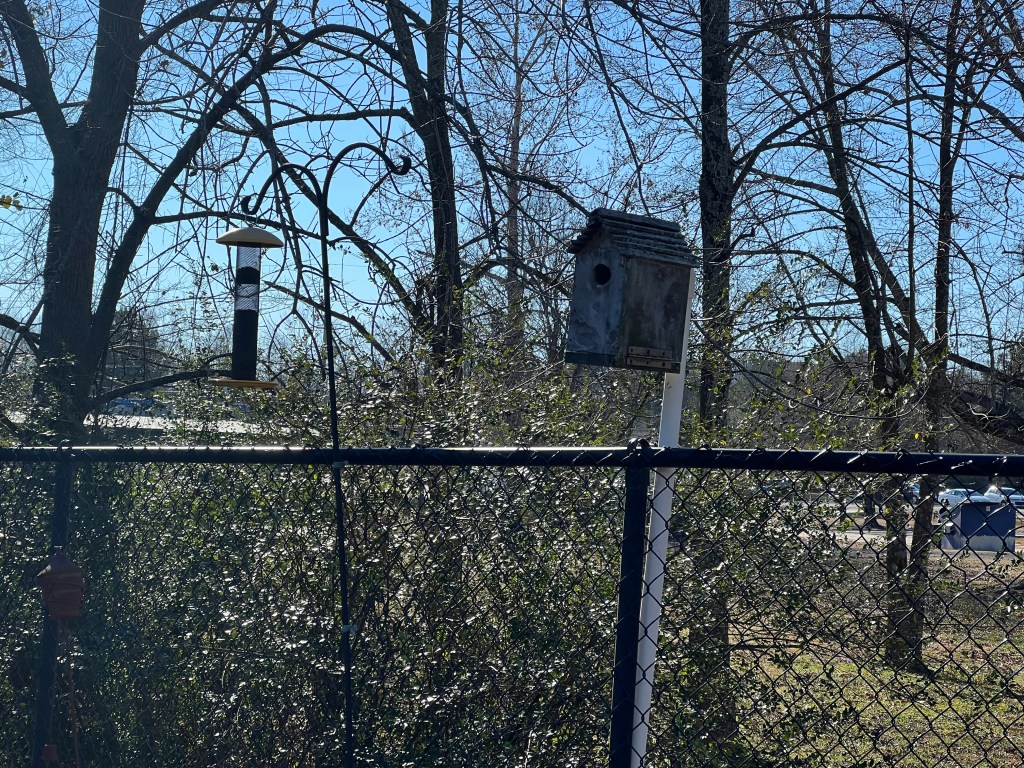
It a new year and time to recap my annual birder list. While I saw quite a few raptors on the power lines going to and from town, many were color variations of the red-tailed hawk (Buteo jamaicensis). As I was mostly unable to get a photo and therefore lack true identification, I have not included what appeared to be a falcon in my count. I was able to take one trip to the wildlife area this year and while it was not as dismal as one of last year’s trips, nothing has yet to compare to Melissa and my first trip with 1000’s of birds. The end of year presence on my feeders is also down. The Northern cardinals (Cardinalis cardinalis) have not returned, and the multitude of small passerine species are mostly absent. I was able to clean out the nesting house for the Eastern bluebirds (Sialia sialis) before they took over this year. It was much needed housekeeping as I had neglected to do so the year before and the deteriorating nests were nasty. The bluebirds held court for two extended periods, interspersed with a long stint by a pair of house sparrows (Passer domesticus). Bluebirds were the favorite bird for Melissa’s mom, and the reason for the bird house.
When I looked online, I found bluebirds (genus, Sialia) are a North American group of medium-sized, mostly insectivorous, or omnivorous birds in the order of Passerines in the genus Sialia of the thrush family (Turdidae). Bluebirds are one of the few thrush genera in the Americas. The genus Sialia was introduced by the English naturalist William John Swainson in 1827 with the eastern bluebird (Sialia sialis) as the type species. The other two North American species of bluebird are the Mountain bluebird (Sialia currucoides) and the Western bluebird (Sialia Mexicana). A molecular phylogenetic study using mitochondrial sequences published in 2005 found that Sialia, Myadestes (solitaires) and Neocossyphus (African ant-thrushes) formed a basal clade in the family Turdidae. Within Sialia the mountain bluebird was sister to the eastern bluebird. Bluebirds lay an average of 4 to 6 eggs per clutch and will usually brood two or three times in a year. Bluebirds nest from March all the way through August. Bluebirds have blue, or blue and rose beige, plumage. The females are less brightly colored than males, but color patterns are similar and there is no size difference.
All that said has been leading up to the “great reveal” concerning my birder totals for 2023. I recorded 26 species in my first year (2020). I got off to a great start in 2021 with 29 species by the end of January and a total of 52 species for the year. During 2022 the sightings were slower, with 44 different species, not counting the six European sightings (50 total?). During 2023 I recorded my lowest number of sightings since my first year, with only 30 species. Part of the problem comes with the presence of the dogs in the backyard which keep the birds away. Another is much of the feeding that happens comes early in the morning while I am still putzing in the house. I filled my feeders this morning and plan on being more diligent (again) this year but have yet to record any birds.
THOUGHTS: It is time to get back onboard and once again get prepared for the Great Backyard Bird Count 2023 (February 16, 2024 – February 19, 2024). This annual event brings families and bird lovers together to count the birds. Last year (2023), bird watchers from more than 100 countries reported a record 6,456 species, or more than half of the known bird species in the world. This “snapshot” is used to check on the general health of the world’s birds and to direct conservation efforts to save threatened and endangered species. Birds are the literal canary in the mine shaft (earth) when it comes to gauging the health of our ecosystems. Act for all. Change is coming and it starts with you.







 A travelers odyssey