
May 26, 2026
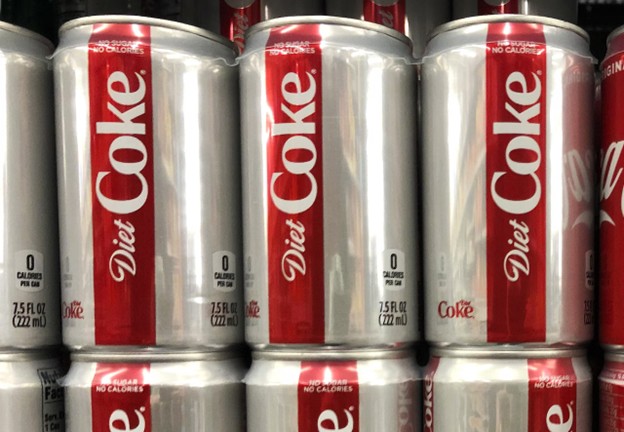
I came across a Reuters article on my local newspaper that addressed closing of the Strait of Hormuz effect on India. While India sells most of its soda beverages in plastic, glass, and cans, one beverage is only sold in cans and has made the beverage vulnerable to supply chain disruptions caused by stoppage of shipments. Limited quantities of cans can still be purchased online, and Indian pubs and social media influencers have spotted a chance to profit from the scarcity by organizing parties that come with a US$10 to US$16 entry fee, offering access to the cans along with music, alcohol, can decoration and themed T-shirt painting. Partyers in New Delhi come dressed in themed attire and are experimented by mixing the drink with local spices, jalapenos and honey. At a Mumbai event, entry tickets doubled as raffle entries, with two winners taking home 50 cans each. “We had a cocktail menu which we call Coke-tails. The idea was to bring fans together,” said 25-year-old marketing executive Ishika Gupta. Gupta was the first to throw a Diet Coke party in India in early May, plans to organize more, and is holding discussions with Coca-Cola given the trend.
When I went online, I found Diet Coke, also branded as Coca-Cola Light or Diet Coca-Cola, is a sugar-free and low-calorie diet soda produced and distributed by the Coca-Cola Company. The cola is based on a different recipe from the flagship Coca-Cola drink and has a distinct taste of its own. Diet Coke was unveiled on July 8, 1982, and was the first new brand since the company’s creation in 1886 to use the Coca-Cola trademark. The drink became wildly successful and a cultural status symbol, leading worldwide diet soda sales for most of its existence. Diet Coke launched in 28 international markets successfully in 1983 and in many was branded Coca-Cola Light or Coke Light. The soda launched in ten additional markets in 1984, including Japan. In 2010, Diet Coke surpassed Pepsi in sales for the first time to become the second most popular soda in the US after Coca-Cola but dropped below Pepsi again in 2014. Diet Coke has had a significant cultural impact, including links with healthiness and wellness but also negative connotations regarding body image. The drink has achieved high popularity in certain circles with loyal fans, including in popular culture.
Coca-Cola and Pepsi both see India as a major growth market, and most of their drinks are sold in plastic and glass bottles, as well as cans. A Ninecamp Ventures restaurant hosted a party near New Delhi where it offered “Diet Coke on the house” with snacks for $16. Diet Coke is a preferred alcohol mixer in India, often paired with rum. The soda is also popular among health-conscious consumers, and shortage has seen social media flooded with humorous memes showing people hoarding the cans in India. Retail chain Broadway is using the shortage to promote its New Delhi event, saying “In light of the great Diet Coke shortage of 2026 … we’re turning our space into a full-blown Diet Coke experience.” Tickets are 999 rupees (US$10) and have burgers, Diet Coke, vintage art, and custom T-shirt painting. Broadway CEO Sankalp Kathuria. “It’s a love letter to the cult of Diet Coke”.
THOUGHTS: Hoarding (and indulging in) Diet Coke during this shortage is not dissimilar to the US reaction to toilet paper in 2020. A shortage creates a self-reinforcing cycle of hoarding due to fear, uncertainty, and rational self-interest. Bare shelves cause consumers to panic that they will be unable to purchase essentials in the future, prompting them to buy more than they need. Ninecamp CEO Chaitanya Mathur said, “For the young people it’s about scarcity being a premise of the entire event. That’s where the fun is – the less there is of something is when they want more of it.” Some are probably still using Toilet paper they bought six years ago. Hoarding creates irrational fear and deprives access to others. Act for all. Change will come and it starts with you.

