
November 08, 2025

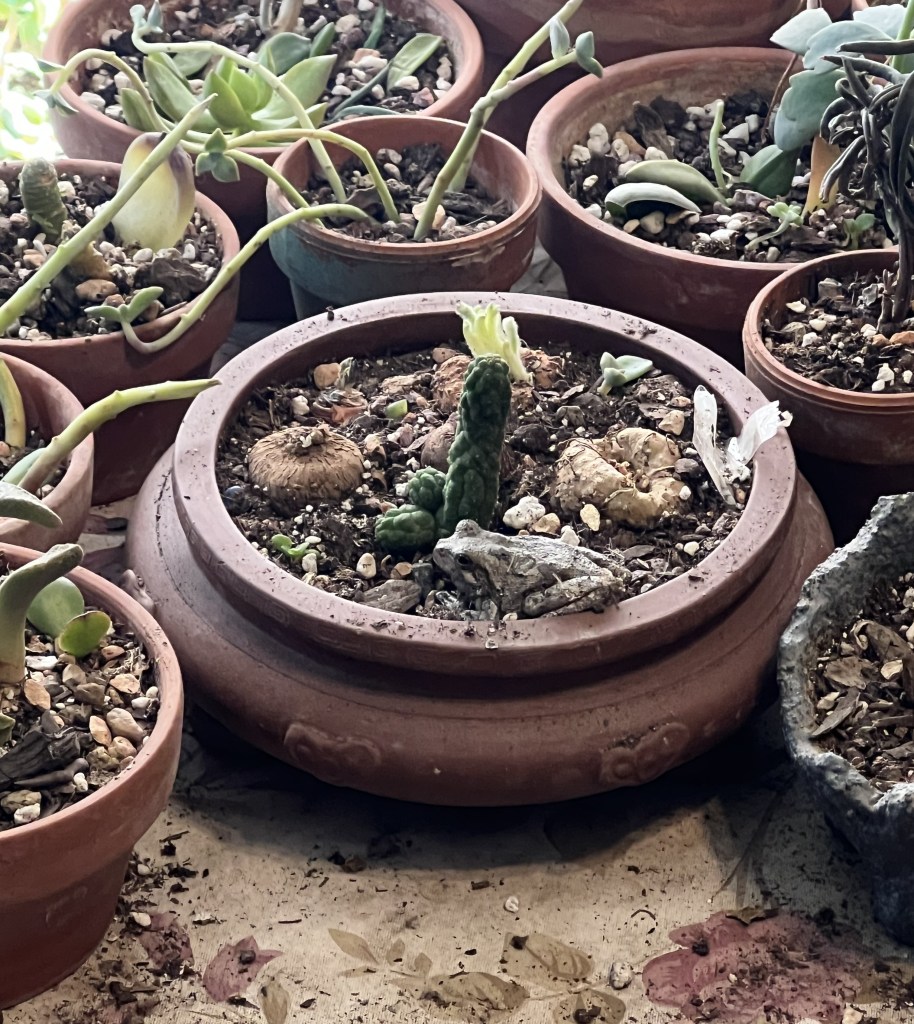
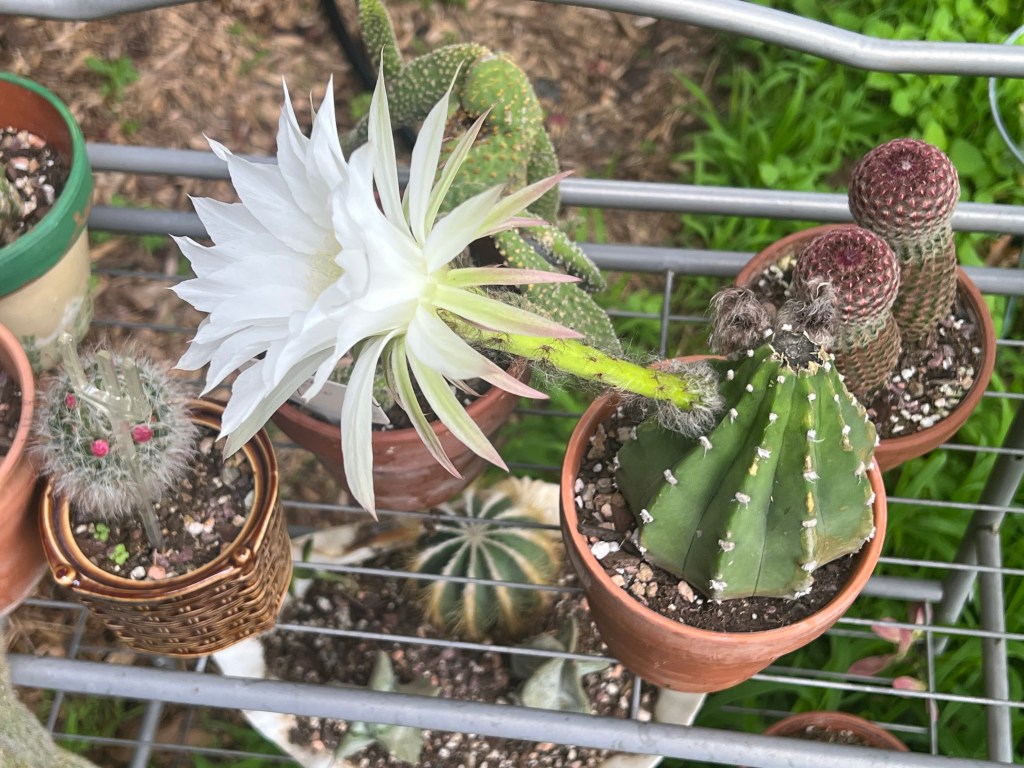
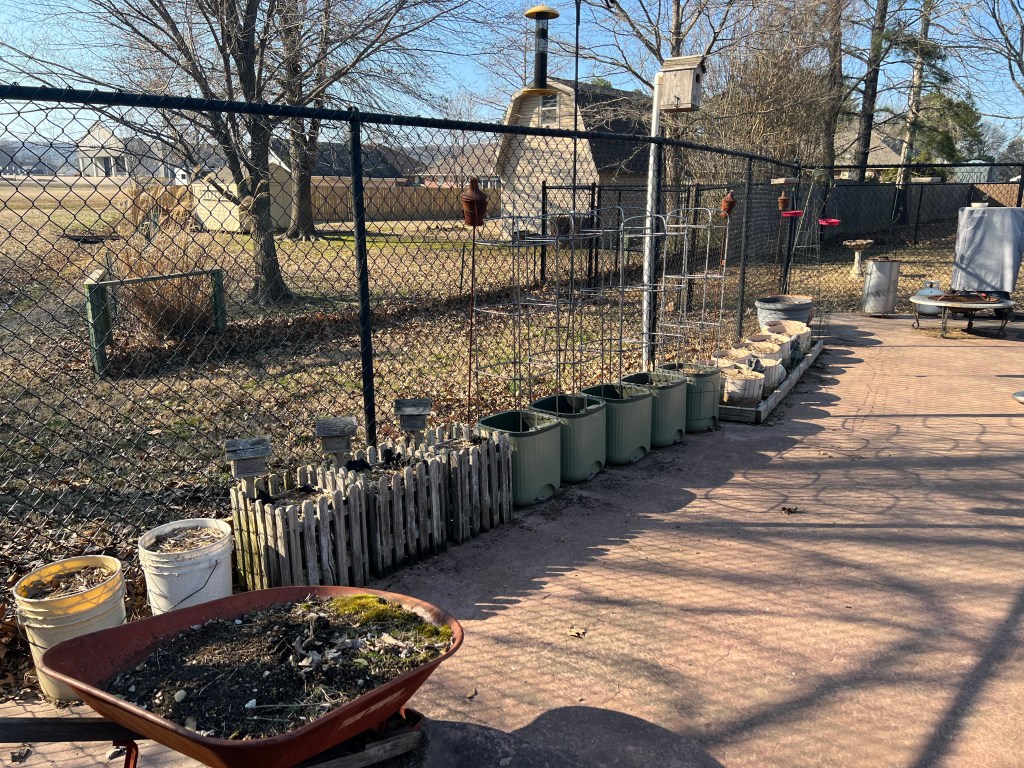
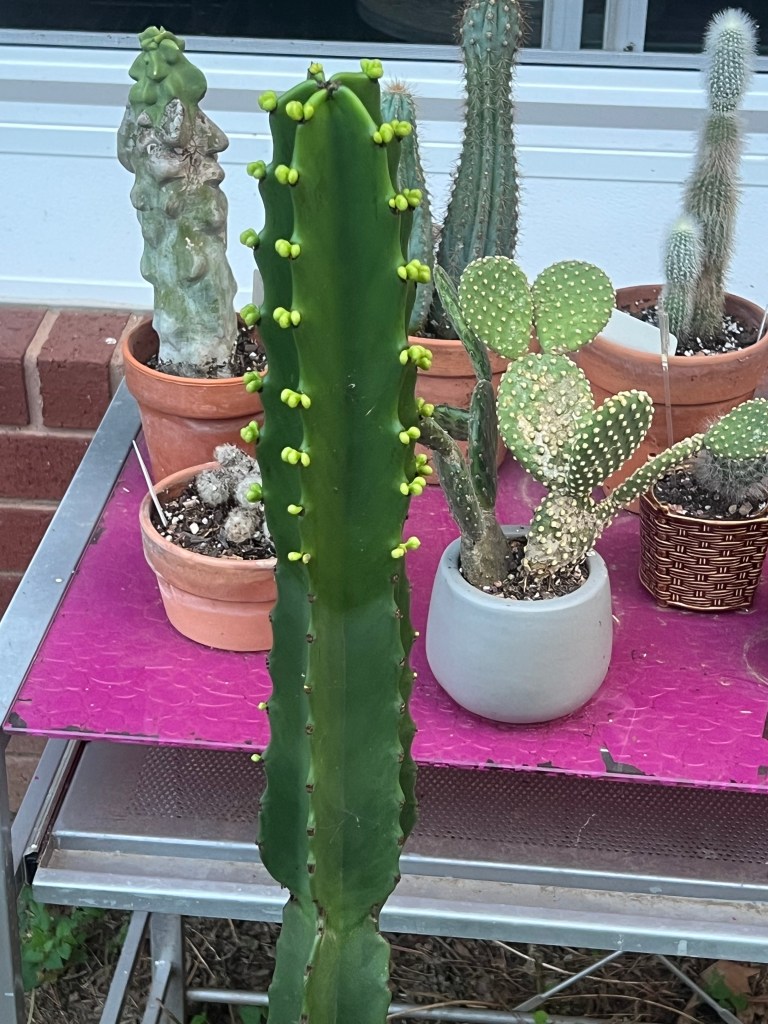
The front page of yesterday’s local newspaper ran a USA Today article telling gardeners how to prepare for the impending cold snap. The first frost in Arkansas’ River Valley usually takes place around November 5. Scot Covert, chief meteorologist at KFSM-TV, said we will be a little late this year, “we’re looking at Monday the 10th.” Even before temperatures dip to 32 F (0C), frost can form in low lying areas like gardens (raised beds?) as plants cool faster than the surrounding air. Randy Forst, extension educator with the University of Arkansas Division of Agriculture, said, “All indoor tropical plants and house plants should be moved into an area that does not go below 35 degrees.” If you do not take this precaution, it is likely they will freeze.
When I went online, I found that a freeze will damage vegetables by causing ice crystals to form and expand inside the plant which ruptures the cell walls. A freeze can cause visible damage like wilting, blackening, or water-soaked areas in the leaves. While most vegetables are negatively affected by freezing (while in the ground), root vegetables and cabbages (brassicas) can become sweeter after a light frost as the cold converts their starches to sugars. After they thaw, freeze-damaged vegetables are often softer and mushier than their fresh counterparts. A hard freeze (28F/-2C for several hours) can kill plants outright. That is particularly true for warm season crops like tomatoes (Solanum lycopersicum) and peppers (Capsicum annuum). Freezing halts the growth of microorganisms but does not stop all enzymatic activity, which can lead to a loss of quality over time. That is one reason to blanche your fresh vegetables before placing them in the freezer.
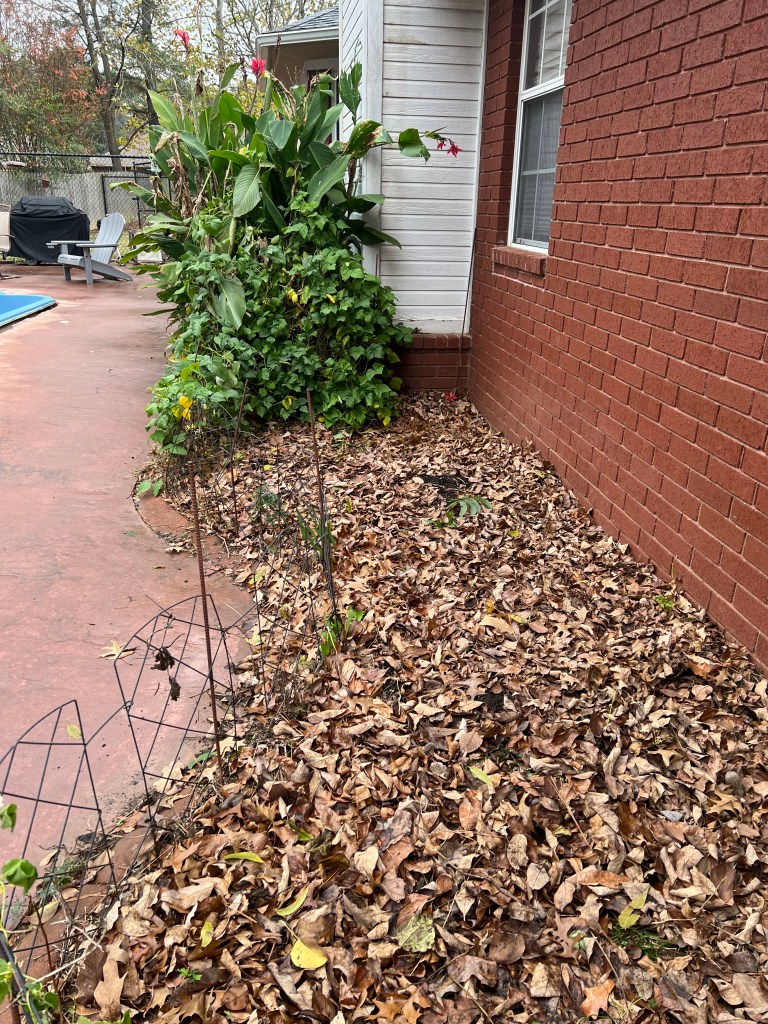
Forst went on the say cool-season vegetables that can tolerate a freeze should be covered to prevent leaf-tip burn. A bigger concern during this time of year is drought. Arkansas does not tend to get the moisture needed to keep outdoor plants hydrated. You need to water outside plants if it does not rain at least once a week. Outdoor perennials can also use extra care. Once a frost happens you should clip back the dead foliage and then cover the crown with a biodegradable mulch. Annuals that bloom during the cool season should continue to receive a water-soluble fertilizer once a month. Four types of action should be taken to aid your garden and outdoor plants. Once the temps fall below 40F (4.4C) houseplants should be moved inside. On clear, calm nights vegetables should be covered if the temps will get into the mid-30’sF (1.6C), then be sure to uncover them when temps rise back into the 40’s+F (4.4+C). Outdoor plants should be watered weekly if there is low rainfall. Finally, mulch any perennials after the frost kills the top growth. These actions will aid your plants’ regrowth the following spring. I had better cover my plants tomorrow.
THOUGHTS: My vegetables are not the only thing I need to protect against a freeze. We purchased a used C class RV and it is now approaching our first winter. Everything I have read extolls the virtue of winterizing the unit if you are going to store it during the cold months. Part of the process involves draining and pouring food grade antifreeze into the lines and tanks. Once I do this, I cannot use the RV until I again drain and flush the lines. While I should just bite the bullet and shut the unit down, I have wavered to the point where it is almost too late. Our repair person told me the lines are enclosed within the vehicle so I should be fine turning on the water tank heaters and the furnace set low to keep everything warm. The freeze is set to only last two nights and then it will warm up to the 70’sF again. I hope I do not regret this decision. We often delay action until it is too late. We must address our environmental and communal issues/disagreements now rather than later. Act for all. Change is coming and it starts with you.
 A travelers odyssey