
January 30, 2026
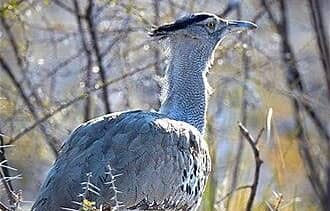
WAY down on my MSN browser I came across an article on an invasive species that is disrupting the fragile ecosystem of the Desert National Park (DNP) in Rajasthan, a state in northwest India. Hybrid pigs, from wild boar (Sus scrofa) and domestic pig (Sus domesticus), appeared in the park after a canal project brought in permanent water sources and crops, turning the arid desert into a pig haven. In the past two decades the invasive species have become opportunistic predators and competitors endangering local plants and animals. Manas Shukla, a wildlife researcher at the DNP, said, “The invasive pigs are becoming a major competitor of threatened vulture populations over food that can further impact these declining species.” Farmers have reported crop damage, attacks on livestock, and even humans. Bustards (Family, Otididae) and vultures (Family, Accipitridae) are also at risk, as the pigs eat the eggs of ground-nesting birds and the carcasses eaten by the scavengers.
When I went online, I found Bustards are a family of large, terrestrial birds living mainly in dry grasslands and steppe regions. The word bustard comes from the Old French “bistarda”. The naturalist William Turner listed the English spelling as both “bustard” and “bistard” in 1544. All the common names are derived from Latin avis tarda or aves tardas given by Pliny the Elder. The word tarda comes from tardus (Latin, “slow” and “deliberate”), which aptly describes the species’ typical walking style. The two largest species of bustards, the kori bustard (Ardeotis kori) and the great bustard (Otis tarda), are frequently cited as the world’s heaviest flying birds. Males can exceed 44 pounds (20 kg), and average around 30 pounds (13.5 kg), with a length of 59 inches (150 cm). The smallest species is the brown bustard (Eupodotis humilis), which is 16 inches (40 cm) long and averages 1.3 pounds (600 g). Bustards are among the most sexually dimorphic groups of birds with males often 30% longer and sometimes more than twice the weight of females. Bustards are omnivorous and opportunistic, eating leaves, buds, seeds, fruit, small vertebrates, and invertebrates.
Forest officials have removed the pigs from bustard enclosures but have yet to enforce large-scale control measures due to wildlife protection laws. Researchers argue that the invasive pigs are not native wildlife and should be controlled or translocated to protect the local ecosystem. Human intervention, like building infrastructure or bringing in artificial water sources, changes ecosystems to unintentionally favor invasive animals. Native populations decline because the ecosystems have changed and allowed invasive species to proliferate. About 2 in 5 threatened or endangered species are at risk due to invasive species, according to the National Wildlife Federation. Invaders bring harm by outcompeting, preying on, and spreading diseases, along with disrupting food chains, and destroying habitats.
THOUGHTS: Like the threat to the Bustards, human activity can bring invasive species to new environments. Travel and trade transport species but changing land use can also allow them to move and prosper. Converting land for agricultural use opens it to exploitation from invasive species. The United Nations shared that human activity has already altered approximately 70% of the world’s ice-free land, and often in ways that unintentionally reshape local habitats. Many of the world’s creation stories place humans as the caretakers of the world rather than exploiters of its resources. Ignorance (or apathy) can no longer be an excuse for destruction of the environment. Act for all. Change is coming and it starts with you.
 A travelers odyssey