
April 15, 2026
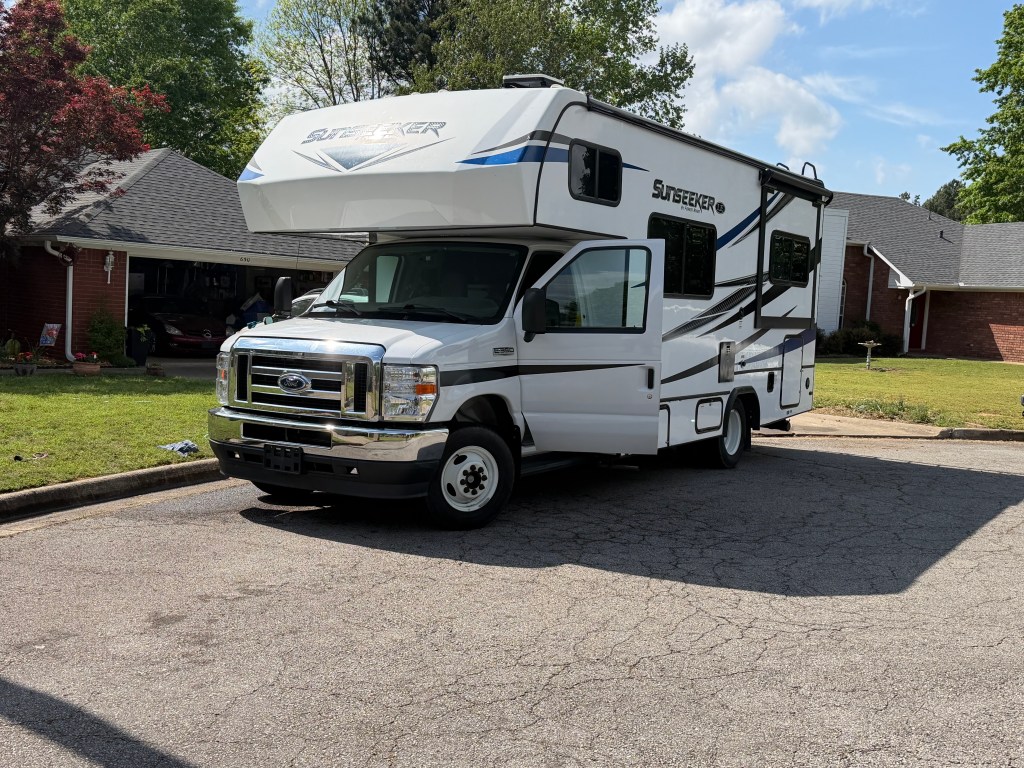
I was surprised to see how much dirt and grime accumulated on the RV while we were on the road. The vehicle had sat outside from December to February. While I had winterized and cleaned the interior I did not do much to the exterior. I had purchased a cover designed to go over the unit but had been reluctant to put it on due to the time and thought of trying to accomplish this on my own (yes, I could have asked Melissa). I thought we might go on a short trip at some point, but this did not happen. I had taken the RV to a truck wash prior to leaving and it cost US$56. This did not seem outlandish as it cost around US$20 for my car but it was still a lot of money. Now that we have returned, I knew I needed to get out and clean. I did my research and ordered the necessary tools online (I could not find them locally). Everything arrived Monday and I was ready to wash the RV.
When I went online, I found it best to establish an RV maintenance schedule that includes an exterior wash every 4 to 6 weeks during travel season. Regular washing prevents the buildup of road grime, bugs, and environmental contaminants (bird droppings or tree saps) that can damage paint and seals. Several types of washes should occur along with the standard exterior wash. This includes a post-trip rinse to remove fresh bugs and salt from the surface. A full detail (wash and wax) should occur 2 to 3 times a year to protect the gel coat and finish from UV rays. The roof should be cleaned 2 to 4 times a year to prevent black streaks and allow seal inspection. The chassis and underside should have annual washing, and an immediate wash if the RV is exposed to road salt or beach camping. If stored outdoors and uncovered you may need to wash it more frequently to prevent oxidation, while if in a climate-controlled garage an annual cleaning may be enough. Many owners prefer using a large ladder for safety rather than standing on the roof itself. The RV should be washed in the shade or on a cloudy day to prevent soap leaving water spots, while using a soft-bristled brush or micro-fiber mitt to avoid scratching the delicate exterior, along with an RV-specific soap as household detergents can strip protective wax and damage seals. This seemed like a lot of rules.
Monday turned out to be the perfect day to wash the RV as it was warm yet overcast. I moved the vehicle onto the street to allow the gutter to whisk away the water rather than creating a mud puddle in my yard. I had watched enough YouTube videos to know I needed to start with the roof and then work my way down to avoid streaks (one saying, “Wash your RV in minutes rather than hours”). I have acquired several ladders and thought that might be the best way to clean. Two were too short and the third was so unwieldy it made it hard to maneuver the brushes. I had checked the capacity rating for our fiberglass roof and found it could easily hold me. The problem was climbing the small ladder on the rear to get onto the roof and then figuring out how to wash the front. I finally overcame my vertigo and climbed onto the back of the roof. The brush setup had a 20-foot (6 m) extension and after much trial and error I was finally able to clean the roof. Cleaning the sides and front were simpler as I was firmly on the ground. None of this was hard, merely time-consuming.
THOUGHTS: It took me over four hours (lunch included) to wash the RV. The quick video included a power washer which other postings warned about (strips the decals and paint). I was amazed how much grime came off and Melissa commented on how clean the RV looked. I think my established schedule will include trips to the truck wash along with my hand detailing. While I do not look forward to these washes, it will keep our exterior looking fresh and new for more years. My grandfather used to say you can tell how good a farmer is by how they keep their yard. The same is probably true for an RVer. Act for all. Change is coming and it starts with you.

