
January 27, 2026
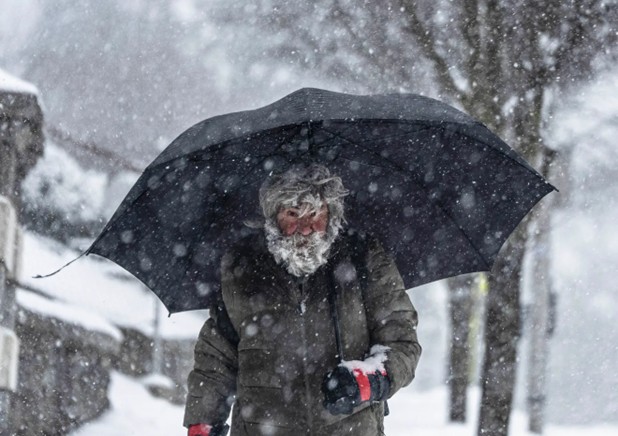
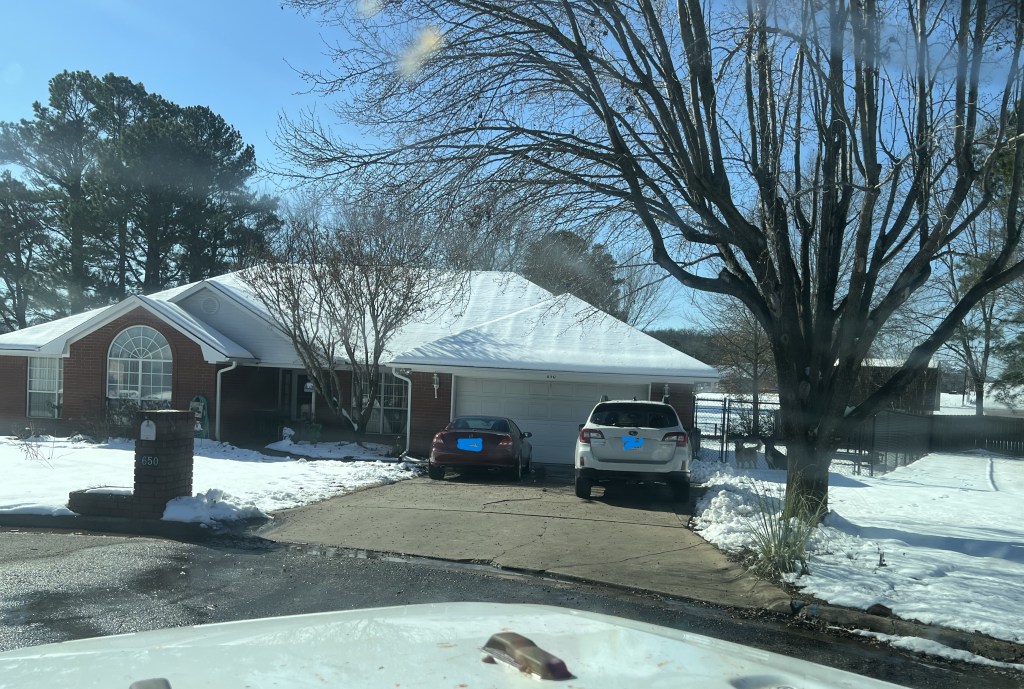
Last weekend we had a major winter storm that spread across the US that affected multiple states and resulted in freezing temperatures and heavy snow. The storm was predicted to hit our area around 9 p.m. CST Friday and when we checked the snow was just starting to fall. We got 4 inches (10 cm) of snow Friday night, followed by 4 inches (10 cm) of sleet/ice on Saturday, then topped by another 3 inches (7.5 cm) of snow early Sunday. I had been clearing off the ramp from our back door and spreading a pet friendly deicer during each break so it was clear, allowing me to get out to fill the bird feeders and the kids could make it to the side yard. While the storm had passed by Sunday afternoon, our back patio (and the roads) had become a 5-inch (12.5 cm) slab of ice. ARDOT (state transportation) warned people to stay indoors to avoid the treacherous conditions and to stay out of the way of the emergency crews trying to clear the roads and restore power. Melissa and I both took the warning and decided this was not a good time to get out.
When I went online, I found the storm brought power outages and treacherous road conditions across the South and Northeast and allowed few people to get out. The treacherous conditions have so far been linked to 34 deaths in 14 states, including two in Arkansas. The Associated Press news agency reports that the storm has been linked to the deaths, with causes ranging from hypothermia to weather-related traffic, sledding, and snow plough accidents. The Arkansas deaths were both linked to improper use of an ATV. The storm brought dangerous winter weather conditions, including ice and freezing rain, leading to widespread travel disruptions and emergency declarations in affected areas. The precipitation was compounded by overnight temperatures that dropped into single digits (F) and never climbed above freezing (32F/0C) during the day. Schools, governments, churches, and businesses were all closed over the weekend and are only beginning to open today.
Today marked the fourth straight day in isolation and both the kids and us were needing to get out of the house. Since it was going to climb into the 40’sF (4.5+C) by afternoon we all made a break for it. I knocked the remaining 3 inches (7.3 cm) of ice off the Jeep and put the crankcase in 4-high. We struggled to get over the ice dam surrounding our vehicle, but a little extra gas got us over the top. The cul-de-sac and street leading to the town’s main throughfare were all packed with snow, but once out of our subdivision the main road was wet but not slick or icy. We took the kids to the lake where we walked, and it was packed with snow as well. Melissa asked me to cut a few “doughnuts” and then I drove out on the spits to see what conditions could be to walk tomorrow. I immediately slipped when I got out and realized I would need to wear my crampons and not stay out too long if we walked at all. Still, it was good to get out to reacquaint us with the world.
THOUGHTS: I always saw the irony of snow days in school as what they really did was allow students to get out and play in the snow. One of my fond memories as a child was the winter when my brother and I built snow caves in the drifts along the side of the church. Then in my senior year in high school when the town shut down and my friends played tackle football in the snow (could not go fast) and then went to a park and played duck-duck-goose in the fresh powder. Being a January baby, I have always liked snow and did not mind the freezing weather. I must admit, the cold is only fun if you are able to dress warmly. Hypothermia, frostbite, and even death can come quickly in fridged conditions. Thankfully, several area agencies open “warming stations” when the temps drop below freezing. Most of the 34 deaths were people unable to find warmth. We cannot let unhoused become uncared for. Act for all. Change is coming and it starts with you.


 A travelers odyssey