
December 26, 2024
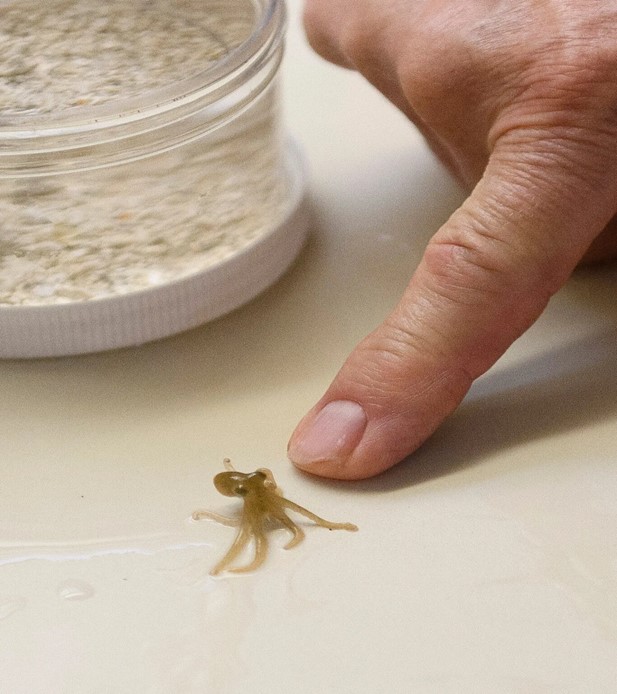
It is the end of the year and that means the internet is barraging us with stories of “The Best” and “The Worst” of everything from sports (Pommel Horse Guy) to music (Gabriela Ortiz, “Kauyumari”) to food (Sour Patch Oreos) . . . (ad nauseum). One story that caught my attention was about the animals that filled 2024 with sadness, intrigue, and delight. Sadness came with the tragic end of Flaco, the escaped Eurasian eagle owl who appeared to die in a building collision in February. Our intriguing was piqued by the Governor boasting of killing her misbehaving dog and a presidential nominee who deposited a dead bear cub in Central Park and cut the head off a dead whale found of the beach. The delight was the previously mentioned slippery potato named after a pork meatball (Moo Deng) who rocked the internet and drove cosmetic influencers for several months. Then there was Terrance the octopus who had been identified as male until “he” laid 50 fertilized eggs. The online audience watched the heroic efforts to keep the fragile hatchlings alive, even as there is only about 1% chance of survival for the hatchling to grow to .4 inches (10 mm) in the wild. It seemed what held media interest best was stories of cute baby animals learning to survive in the world.
When I looked online, I found there are two ways (of course) to answer why we find baby animals so cute. The proximate answer requires you to single out the features of animals that make them cute versus ugly, and often merge them into a general explanation. Why are baby ducks cute and baby parrots ugly? A proximate answer might involve fur, size of the head or the eyes, length of the limbs, all of which help us define cute. The ultimate answer is perhaps an evolutionary one. Is there an evolutionary reason why we find some features attractive and others repugnant? Answering these sorts of questions is the foundation of evolutionary psychology, and while the answers may be elusive (or even beyond our grasp), we still like to think about them. The reasons we find animals cute or ugly come from criteria that have evolved to help us evaluate members of our own species. Baby animals are cute because natural selection has given babies of some species traits that remind us of a human infant.
Some of these ideas could be tested to determine whether there is a commonality between features we see as ugly or cute in animals and compare them with similar features in humans. Regardless, it is important to remember things are not innately ugly or cute. Features humans find ugly may be exactly what attracts the female to the male of another species. As Darwin recognized, our tastes may be no less evolved than our brains or our bodies. For humans, there is no reason for why the signs of age make someone innately less attractive than the freshness of youth. It may be that our standards of beauty have evolved to reflect candidates for mates and older people are seen as less attractive because they are near or past the age of reproduction. This is a preference that could have been instilled in our ancestors by natural selection. Still, beauty in nature is not innate but evolved and our biology co-evolves with our tastes. Only in animal breeding is this reversed, where human desires allow us to sculpt the features and appearance regardless of the environment.
THOUGHTS: There are some babies (animals and humans) that are so ugly that they are cute. In Planet of the Apes, astronaut George Taylor is preparing to leave and thanks the chimpanzees who help him escape. He overcomes his repulsion and turns to Doctor Zira (female) saying, “Doctor, I’d like to kiss you goodbye.” Zira responds, “All right, but you’re so damned ugly.” Humans need to look beyond the traits that make one superficially cute and find the inner beauty that is only revealed when we get to know each other. Act for all. Change is coming and it starts with you.
 A travelers odyssey