
February 06, 2026
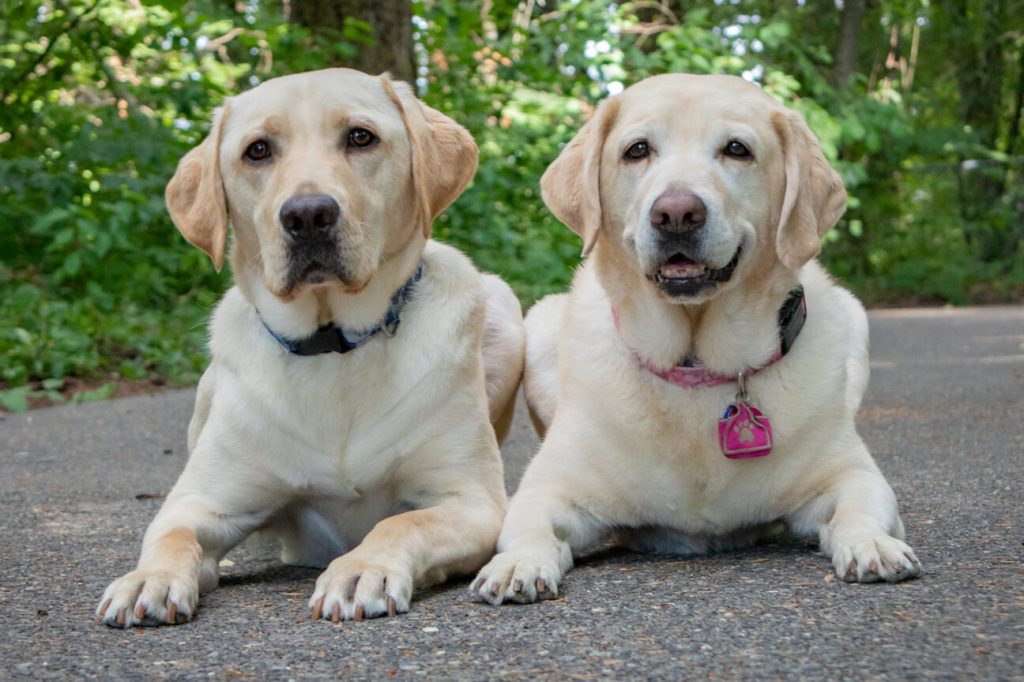
The back section of today’s newspaper carried a USA Today article on what happens to dogs who retire from their training programs. These dogs are often well trained and well-bred and can be in high demand by potential owners. Different organizations have different processes for placing these dogs with new owners, but most have criteria such as location or yard requirements as well as a fee and a waiting list. For dogs from the Guide Dog Foundation or America’s Vet Dogs, the opportunity is first given to the person they worked alongside. If that person cannot keep the dog the offer goes to the puppy raiser. After that, the offer goes to the person who financially sponsored the dog. Only then is the dog added to the foundation’s private adoption list. Other groups that train guide dogs have sign-ups on their websites for dogs that experience a career change. You may want to consider volunteering with one of the organizations in the meantime to get an animal to love while you help prepare it for someone who needs it. The Seeing Eye’s website calls adopting one of its dogs a “rare opportunity” and says it can be a multiyear wait for a dog to be withdrawn from service.
When I went online, I found you can adopt a dog from Guide Dogs for the Blind’s (GDB) that has been withdrawn from service that has not become a program dog (or been placed with another working dog organization. GDB is committed to finding the perfect home for career change dogs and uses a selection and matching process based on suitability and the needs of both the dog and the potential adopting home rather than a first-come, first-served basis. Dogs require a commitment from their adoptive families to spend the time, energy, and possible expense of addressing the individual dog’s issues to make the match work. Most of the adoption dogs are between 10 and 16 months of age and are one of three breeds (Labrador Retrievers, Golden Retrievers, and Lab/Golden crosses). The adoption fee for these dogs is US$2000. Dogs may be dropped from the program for either medical or behavioral reasons. Medical reasons can include allergies, cataracts, or orthopedic (joint) problems. Behavioral reasons can be high activity level, poor house manners, low confidence or fearfulness, high distractibility, incompatibility with cats or other dogs, or assertiveness requiring a strong handler. These dogs are not suitable to be trained as service dogs.
A study by Geoffrey Caron-Lormier (University of Nottingham) et al looks at twenty years of data from Guide Dogs (UK). There were 7,770 working guide dogs who had worked with blind or partially sighted people which were withdrawn from service. The most common reason for withdrawal was retirement (6,465 dogs or 83%). The authors found three main behavioral reasons why guide dogs were withdrawn from service: environmental anxiety, training issues (a lack of willingness to work or confidence), and fear and aggression. Other reasons included chasing, attentiveness, social behavior, excitability and distraction. Dogs would only have been withdrawn if these problems were serious enough to stop them from working; whenever possible, training was used to try and solve the problem.
THOUGHTS: Dogs who have not been withdrawn from service are of three types and differ in training, legal access, and purpose. Service dogs (SD) are trained to perform specific tasks for an individual with disabilities and have full public access. Emotional Support Animals (ESAs) provide companionship for mental health, lacking public access rights but allowing housing accommodations. Therapy dogs provide comfort to many people in clinical or public settings. Melissa’s sheltie was a therapy dog who went into school libraries for children. She would sit quietly and attentively with the child and provide emotional support while the child read to her. Being quiet and paying attention is a much-needed human response as well. Act for all. Change is coming and it starts with you.
 A travelers odyssey