Spread

April 20, 2022

When I headed for the market last weekend, I remembered hearing of the shortage of eggs as we neared Easter.  I always dyed boiled eggs with my son Alex when he was growing up and we were able to hide and re-hide eggs for the next week.  We kept them in the refrigerator, but I am sure it was not a sanitary practice.  This seems to be among the many food customs we “used to do” that are no longer considered safe.  I noticed a father who had opted for plastic eggs and candy to fill them.   I felt sad that he would was not able to participate in the bonding that was more of a part of the egg dying than the hunt ever was.  I had come to purchase eggs for the quiche I was making so I worked my way back to the cold section.  I found the stocker putting the last case of eggs on the empty shelves.  These were cage free eggs that sold for US$4.50 a dozen.  It was only later that I learned of the spread of bird flu.

When I looked online, I found the shortage of eggs was not due to supply chain issues.  Egg prices had doubled nationally in March, according to the Urner Barry Egg Index, due to the drastic measures taken to try to curb spread of bird flu virus (HPAI).  This is the worst outbreak since 2014-2015 and more than 24 million domestic chickens, turkeys, and other domestic birds across 17 states have been killed in the US since February.  No human cases have been documented from this strain of avian flu in the US, and only one has been reported in Europe.  Among birds, avian flu can be deadly and spread rapidly.  Federal rules in the US require the birds to be killed to try to stop the virus.  Response to the bird flu has varied.  Zoos in at least a half dozen states have shuttered aviaries to protect their birds.  Backyard flock owners are keeping their chickens in and trying to keep wild waterfowl out of farm ponds to protect their birds.

After the virus was reported in 41 countries during the latter half of 2021, US and Canadian officials began swabbing live birds and ducks taken by hunters to monitor for it.  The strain spread to North America in late November in great black backed gulls in Newfoundland, where birds sometimes land after being blown across the Atlantic from Europe.  By April 18, the virus had taken flight and had spread to more than 230 counties, in 37 US states, and in at least 6 Canadian provinces.  Maps of the outbreak this spring showed the flu moving along the Missouri River basin, “very clearly on the wings of migrating waterfowl,” said Bryan Richards of the USGS National Wildlife Health Center.  USGS data shows at least 32 species of wild birds have been infected in the US, including bald eagles, snowy owls, swans, and white pelicans.

𝗧𝗛𝗢𝗨𝗚𝗛𝗧𝗦:  Among the latest victims of the bird flu outbreak is the Bald Eagle.  Eagles in 14 states have died after contracting bird flu, and eagles in two other states are suspected of falling ill with avian flu.  According to the USDA, 36 bald eagles have died since February.  Scientists are monitoring avian flu and other pathogens in animals more closely because of the rising threat the viruses could spread to people, or back and forth between people and animals, mutating into different strains as they go.  An example is the covid-19 virus, which was found in a host of captive and wild animals, including lions, tigers, gorillas, cats, dogs, deer, and mink.  Richards commented, “We’ve created opportunities where wildlife, humans and domestic animals literally share time and space.  Pathogens can leverage those opportunities.”  While pathogens leverage opportunities to spread, humans can take action to limit their spread.  Act for others.  Change is coming and it starts with you.
Directions

April 19, 2022

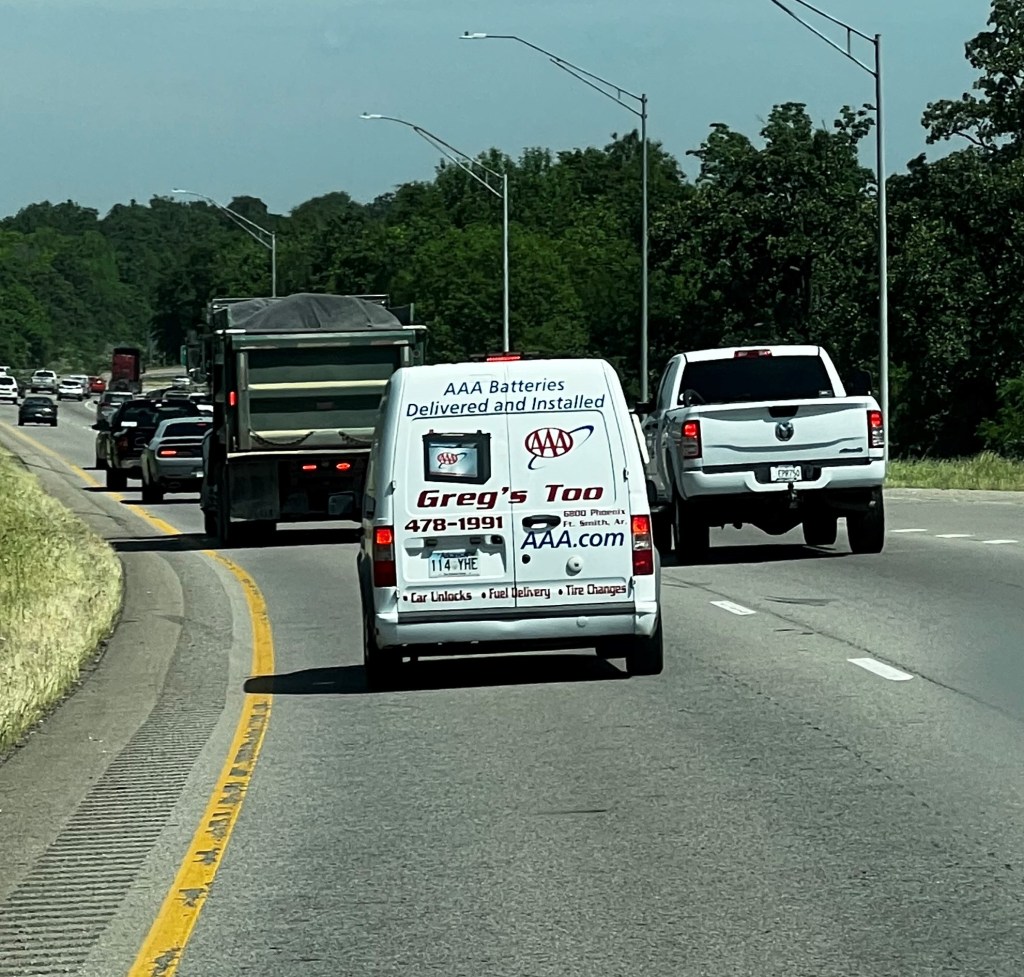
Driving home last weekend, we ran into a major traffic jam two miles from our house.  This was only the third time we had left Zena by herself and were trying to hurry back.  The first time we put her in the small bathroom with a bowl of water thinking there was not too much to tear up.   We were wrong.  The bathroom looked like a bomb had gone off when we got home.  The next time we realized Zena already slept on the floor in the bedroom at night, so we put her in our bedroom.  Zena quickly settled down and was sleeping on the floor in her bed when we returned.  Still, Melissa was antsy as we crawled along the road toward the accident.  The officers were trying to divert traffic to a side exit, but most drivers did not know where the road led and decided to wait until the accident cleared.  The ones who took the exit seemed to be locals who knew the directions to get around.

When we finally got close enough Melissa took off on the exit.  This was an area Melissa had grown up driving, although it had been a long time.  Since she thought she knew the directions around the jam, I did not try to pull up a map on my phone.  Quite a few others had taken the same route and traffic was again crawling along as we approached a “cross traffic does not stop” intersection.  Most were turning right but Melissa cut across to avoid the next snarl.  We wound through a series of back roads that seemed to be taking us away from our destination.  I finally pulled up my map to see where we were going and possibly find directions to take us home. What I discovered was we were lost.

When I showed Melissa the map directions, she asked me to navigate.  The GPS took us on a convoluted route through a subdivision that finally came out about 100 yards in the opposite direction than where we started.  However, the directions assured we could get home following the route.  We backtracked along the route we had come until we finally arrived at a “t” intersection.  We had turned left, and the directions now told us to go right.  Within a mile Melissa knew exactly where we were and within five minutes, we were home.  Once more Zena had done fine without us.

𝗧𝗛𝗢𝗨𝗚𝗛𝗧𝗦:  I always hear how men struggle with asking directions, but that has never been my problem.  I was driving to a new location with my boss, and we were unsure where to turn.  I saw a sign on a house for psychic services and immediately pulled in.  I knocked on the door and asked for directions, which she gave me.  When we arrived at our destination, my boss asked how I knew she could tell us where to go, and I responded, “She would not be much of a psychic if she did not know directions would she?”  My GPS initially led us the wrong way but corrected and provided the right directions.  Other advisors people listen to give the wrong directions but rather than correcting their error, they deny they ever said it.  When the directions change the advice should change with it.  When it does not, you may want to get different advice.  Act for others.  Change is coming and it starts with you.

Confluence

April 18, 2022

Last weekend marked the confluence of the Holy Days of four different faiths.  On Friday, Western Christians commemorated the crucifixion of Jesus, and on Sunday celebrated Easter marking Jesus’ resurrection.  Friday also marked the Jewish celebration of Passover Eve, which commemorates the exodus of the Israelites and the end of their bondage in Egypt.  Friday was another of the Muslim weekly Friday holidays during the month of Ramadan, which began on April 2 and ends on May 2.  Finally, Sunday marked the beginning of Holy Week for the Eastern Orthodox church, or Palm Sunday.  This confluence of dates is unusual and is only possible because of the different calendars used by these faiths.

When I looked online, I found the confluence of dates results as the Christian calendar is based on the solar year, while the Islamic calendar is aligned with the lunar year.  The twelve months in the solar year equal 365 days, but the 12 lunar months have 354 days.  This causes the Islamic Ramadan to move through the solar calendar over a thirty-year cycle.  The Jewish Passover and Western Easter occur close to each other in early spring, but rarely on the same day.  Christians have dated Easter to Sunday since 325 CE, specifically the first Sunday after spring full moon.  In the Jewish calendar, Passover begins on the 14th day of the month, regardless of the day of the week.  Eastern Christian churches base their Easter date on the Julian calendar, which differs from the Gregorian calendar used by western countries.  That means Eastern Easter is often later than Western Easter.

Another confluence happens as Jerusalem has major significance for all three monotheistic religions, Judaism, Islam, and Christianity.  Around 1000 BCE, King David captured Jerusalem and made it the capital of his Jewish kingdom, and Solomon built the first Temple 40 years later.  King Herod reconstructed the second temple in 37 BCE and added the retaining walls.  Jesus was crucified in the city around 30 CE and is said to have been resurrected.  The Islamic prophet Muhammad died in 632 CE and was said to have ascended to heaven from Jerusalem.  The city now lies on the boarder of Jewish Israel and Islamic Palestine.  Parts are controlled by each state, and both have claimed Jerusalem as their capital.  Bloody conflicts to control the city and the sites within it have waged for 1500 years.  The confluence of faith has not brought peace.

THOUGHTS:  Zena woke me early Sunday morning to let me know it was time to go outside.  I let her out and listened as music blasted off the hill overlooking town celebrating Easter Sunrise.  When I was in Cairo, I was awakened each morning by the call to prayer that was broadcast from each of the many mosques in the city.  The confluence of faith and the world often results in conflict.  That is true for Jerusalem, for the Middle East, and for America.  Some believe if we proclaim our message loudly, teachings of love and unity can be disregarded in favor of power and control.  Act for all.  Change is coming and it starts with you.
Easy

April 16, 2022

This morning’s NY Times feed featured the new “It” plant.  The article said succulents were the best plants to own because they are easy to care for.  The author went on to say even though she was a “clueless city dweller” she had been able to keep her nine plants alive multiple growing seasons.  Successfully cultivating an indoor garden of impressive plants accords bragging rights.  “It’s like your kids got accepted to an Ivy League college — they’re doing well,” one plant blogger wrote.  The proud “It”-plant cultivator knows the plant collection is really a testament to the gardener, or as the article said, the “plant parent”.

When I looked online, I found numerous websites dedicated to plant bloggers, including a page for the “Top 45 Plant Blogs and Websites.”  When I checked the blogs, they offered information, but the real purpose seemed to be selling training videos, or the sale of actual plants.  The blogs called succulents the popular choice for two reasons: they are beautiful to look at and nearly indestructible.  Succulents are easy to raise if you followed the “right” combination of the Big 5: light, soil, water, temperature/humidity, and fertilizer.  The light needs to be at least six hours of sunlight a day.  The soil is a fast-draining mixture specifically designed for cacti and succulents.  Watering should be to soak and allow the soil to dry.  Ideal daytime temps are 70F to 85F (21C to 29.5C) and between 50F to 55F (10C to 12.7C) at night, with 80 percent humidity.  During the growing season you fertilize as you do your other houseplants and stop entirely when dormant.

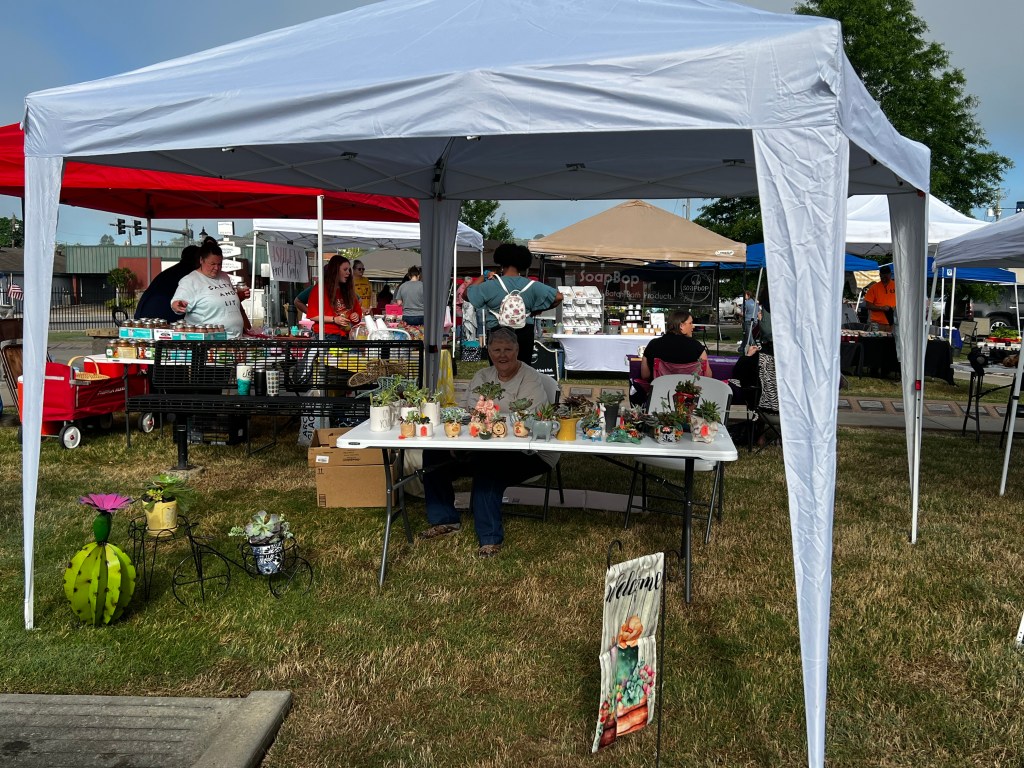
While this all seems easy to follow, I knew it was not the whole story.  Melissa has spent hours researching the right soil for the different plants, and the soil composition can change depending on the age and activity of the plant.  Some are summer growers while others prefer winter.  There are different temperature preferences when the plant is growing than when it is dormant.  The same is true for light, water, and fertilizer.  While you may be able to put a small succulent or cactus on the shelf and hope for the best, a true “It” garden needs constant monitoring.  There is no such thing as easy if you want your plants to do more than just survive.

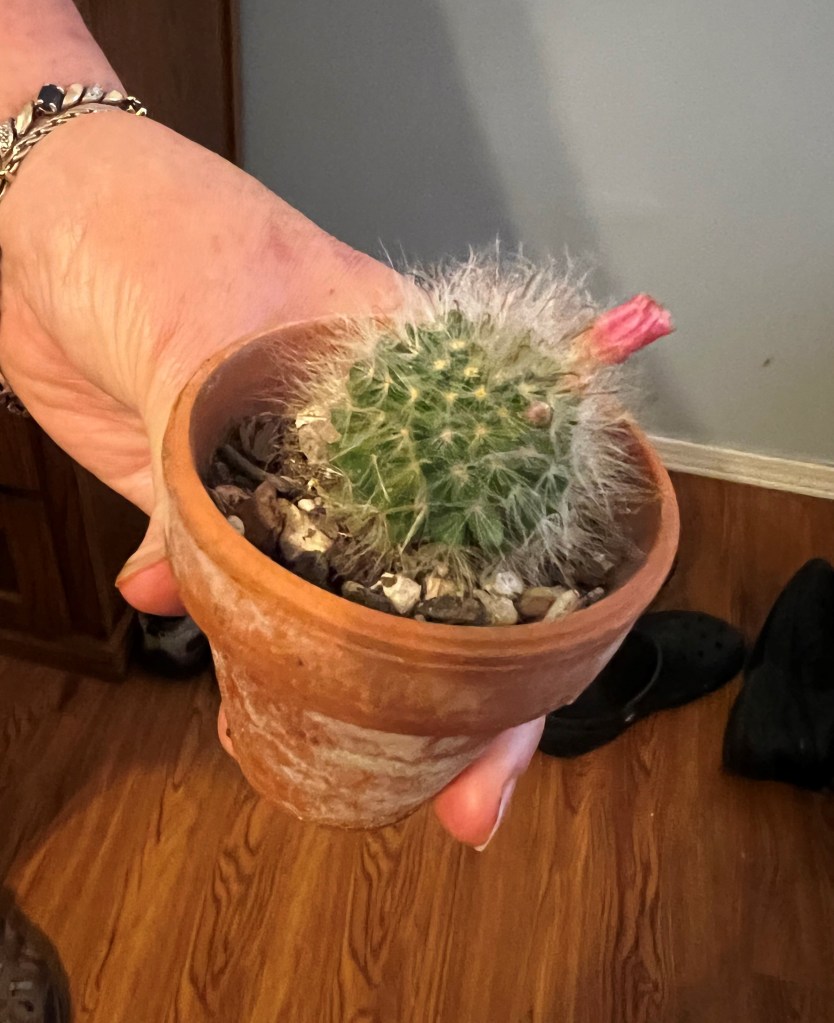
THOUGHTS:  When I worked for the State of Utah, I bought a small cactus and placed it on the corner of my desk.  I wanted the plant to be easy to care for but wanted to add some color to my office.  The small barrel cactus seemed appropriate for Utah and for my gardening skills.  I took care of the cactus for the first months, and then it began to slip my mind.  One day I observed the plant had not changed for several months.  On closer inspection, I found the plant had died.  I had accomplished the near impossible.  I killed a cactus from lack of water.  Most things are easy once you know what you are doing, but there can be a huge learning curve before they become easy.  We need to take time to learn to treat others with respect.  We need to practice until it becomes easy.  Act for all.  Change is coming and it starts with you.

Parents

April 15, 2022

It has been a long time since Melissa has had a new puppy, so we are both having to relearn how to be parents.  Like any proud parents, we have been checking videos and websites trying to discover the best way to train Zena.  The first thing we discovered was she is a puppy.  Like a human child, there are some things she can comprehend, and others she is not yet old enough to grasp, even though we would like her to.  The other problem, like the “terrible twos” for a child, is there can be a difference between what we want Zena to do and what Zena wants to do.  We are determined to use the trend of positive reinforcement to train Zena rather than punishment.  This is not too far different than Dr. Spock’s recommendations on child rearing.

When I looked online, I found Benjamin McLane Spock (May 2, 1903 – March 15, 1998) was an American pediatrician whose book, Baby and Child Care (1946), is the second best-selling book of the twentieth century, after the Bible.  It sold 500,000 copies in the six months after initial publication in 1946, 50 million by the time of Spock’s death in 1998 and had been translated into 42 languages.  The book’s premise to mothers was that they “know more than you think you do.”  Spock was the first pediatrician to study psychoanalysis to try to understand the children’s needs in relation to family dynamics.  His ideas about childcare influenced generations of parents to be more flexible and affectionate with their children and to treat them as individuals.  Spock’s recommendations and advice revolutionized parental upbringing in the US. 

Spock advocated ideas about parenting that were considered out of the mainstream, but over time his books helped bring major change.  Previously, experts told parents babies needed to learn to sleep on a regular schedule and picking them up and holding them whenever they cried would only teach them to cry more and not to sleep through the night.  They were told to feed their children on a regular schedule, and that they should not pick them up, kiss them, or hug them, because that would not prepare them to be strong and independent people in a harsh world.  In contrast, Spock encouraged parents to show their children affection and see them as individuals.  At the time, his books were criticized by conservatives for propagating permissiveness and an expectation of instant gratification, a charge that Spock denied.  I am glad I was able to grow up as a child rather than the little adults of the previous era.

THOUGHTS:  One area where we have had success with Zena is getting her to go to her cage.  We started when she came in from going “outside” by saying “cage”.  She learned to go into the cage to get her treat for going outside.  While she still struggles with extended time in the cage, especially with the door closed, she freely enters and lays down.  Now she even goes into the cage on her own when she is exploring without being asked or in expectation of a treat.  Most researchers say much of human behavior is learned, and from a very young age.  Parents have the responsibility to train their children to be good stewards of both the earth and others.  The best way to do this is to let your child learn behavior in your own actions and words.  Act for all.  Change is coming and it starts with you.

Lock

April 14, 2022

When I woke up this morning Melissa told me we had forgotten to lock the door last night.  We usually leave the front door open with the screen closed so we can see outside during the day.  Now that we have Zena there is added incentive as she will go to the front door and look when she needs to go out.  I usually close the door and lock it when it gets dark so others cannot look in.  Melissa opens the back door to regulate the temperature for her succulents on the sunporch.  This also provides easy access for Zena to the pool deck.  At night she will lock the door when we no longer use it.  Apparently, we both forgot last night as the front was closed and not locked and the back was wide open.

When I looked online, I found that an overwhelming majority of burglars enter homes through the doors and windows.  Thirty-four percent use the front door, while 22 percent get in through the back door.  Another 23 percent use first-floor windows.  That represents 79 percent of all burglaries, and often those doors and windows are not locked.  Leaving items in your yard can be another target for burglars.  According to Leonard Sipes, former director of information services for the National Crime Prevention Council, “The overwhelming number of burglars are unskilled people who go through open or unlocked windows and doors.  Simply locking windows and doors will prevent most burglaries.”  Happily, despite failing to lock both doors we were not targeted for a burglary.

While research says 93 percent of Americans lock their doors, that means 7 percent do not, and whether you lock your door seems to be a cultural norm.  If you grew up locking your door, you continue to do so.  If you grew up not locking your door, you continue to do so.  For Americans 65 and over 12 percent do not lock, compared to 4 percent of those under 30, with other age groups in between.  Fourteen percent of those who live in rural areas do not lock doors but only 5 percent of city dwellers, 6 percent of suburbanites, and 7 percent of those who live in towns.  When I lived in the Bay Area every door on campus was equipped with an automatic door lock.  In the town where I now live residents leaving their garage open.  We had a rash of burglaries last year and no one could understand why.  Maybe it had to do with leaving the door open?

THOUGHTS:  When I was younger, I did not lock my car and at times left valuables in plain sight.  My mom noticed this as we drove into the church parking lot and suggested I lock my car.  I exclaimed, “We are at church, is someone here going to steal from me?”  Mom replied, “I am not worried about the ones in the building, I am concerned about those in the parking lot.”  While I locked the doors for her, I continued to not lock my car until someone stole several items I left on the front seat.  Now I always lock my car.  Times and cultures change.  Some say adjusting to these changes is just giving up, others will tell you it is being realistic.  Act for all.  Change is coming and it starts with you.
Taxidermy

April 13, 2022

I ran across a report in the local newspaper about a taxidermy museum located in a warehoused in Bétera, Spain, which held 1090 animals.  While this is an impressive number of animals by itself, this private collection included 405 protected species.  The collection includes the scimitar oryx (North African oryx), which the International Union for Conservation of Nature (IUCN) declared extinct in the wild, the endangered Bengal tiger, and the critically endangered addax (white antelope).  They found specimens of lion, cheetah, leopard, snow leopard, lynx, polar bear, and white rhinoceros.  The collection contained crocodile skin chairs, stools made of elephant feet, and 198 ivory elephant tusks.  It is the largest discovery of protected taxidermy specimens in Spain and one of the largest in Europe.  Spain’s Civil Guard estimates the worth of the collection at 29 million euros (US$31.5 million).

When I looked online, I found taxidermy is the art of preserving an animal’s body by mounting (over an armature) or stuffing, for the purpose of display or study.  Animals are often portrayed in a lifelike state.  The word taxidermy describes the process of preserving the animal but also to describe the finished product.  The word is derived from the Greek taxis (“arrangement”) and derma (“skin”).  Taxidermy is practiced primarily on vertebrates (mammals, birds, fish, reptiles, and less commonly amphibians) but can be done with larger insects and arachnids.  Taxidermy takes several forms including hunting trophies and displays in natural history museums.  The museums use taxidermy to record species, including extinct and threatened species, in the form of study skins and life-size mounts. Taxidermy is also used to memorialize pets.

When we go to the local outdoors store, we like to browse the tanks of live fish and view the taxidermy that prowl the walls.  I never thought to question whether this was legal.  Migratory birds pose the biggest legal challenge for taxidermists.  You need a federal permit to mount migratory birds, and the person who owns the bird needs a federal permit to have it in their possession.  Larger animals also require a taxidermy permit, and the taxidermists are responsible to make sure the customer had the proper hunting tags, permits, or other documents to determine the animal was lawfully acquired.  It is a crime to be in possession of unlawfully obtained animal carcasses.  It is also unlawful to transport, ship, or receive an unlawful carcass.  Spain has similar laws, and it is illegal to possess many of the animal taxidermy found in the warehouse.  The cost of the private collection just went up.

THOUGHTS:  Violations of taxidermy law in the US can reach up to $500,000 and two years in jail, depending on the crime, the person or group committing the crime, and the frequency and number of criminal violations.  State laws and permits are also required, which makes the burden to stuff something illegally almost insurmountable.  Once stuffed, you need a permit to possess the dead migratory bird.  You cannot throw the stuffed bird out because the trash service does not have a permit.  If you discard the taxidermy in the garbage, you commit a felony.  If you sell the mount, it is a felony.  Similar laws govern the deer head that spooked you as a child.  Act for all.  Change is coming and it starts with you.

Alerts

April 12, 2022

Melissa and I have automatic alerts on our phones to warn us of the potential for severe weather.  We were working in our respective offices yesterday when Melissa’s alert went off saying we were under a Tornado Warning.  We were surprised as my alert had not notified me and usually the sirens go off well before the phone alerts.  I went outside to looked at the sky and it was warm and dead calm (not a good sign).  Immediately above our house were fluffy white clouds, but the skyline just to the north was dark and ominous.  When I went back inside and turned on the TV, the weatherperson declared there was a tornado on the ground just to the north.  That was when the county sirens finally blared their alerts.  

When I looked online, I found the importance in knowing the difference between a tornado watch and a tornado warning when alerts come through on your phone or on TV.  A tornado watch is issued by the NOAA’s Storm Prediction Center and are commonly issued a few hours before a potential severe storm.  These alerts warn of a developing threat for tornadoes and indicate the need to be prepared and remain vigilant.  Watches are issued for broad areas where conditions exist for the development of a tornado.  Tornado warnings are alerts issued by local offices of the National Weather Service (NWS).  These are more urgent alerts where people need to seek shelter right away.  They are issued for highly localized areas where a tornado is imminent or has been detected on radar, and often minutes before a tornado strikes. 

Severe thunderstorm warnings are alerts of imminent severe weather and are based on specific criteria and existing reports received by the NWS.  The criteria include hail that totals more than 1 inch in diameter and wind speeds of 55 mph.  Lightning and heavy rain are not criteria for a severe thunderstorm warning.  Trained NWS spotters will verify reports of rotation or storm damage, which gives meteorologists confidence in what they are seeing on radar.  The storm cell passed out of our area, but the TV station continued to track first the tornado and potential severe weather across the state.  The main cell was centered in the ominous clouds I had seen following the first alerts.  As I watched the radar, a secondary cell split off and moved north toward the town where I work.  As the tornado abated and the storm moved out of our area I got bored as the same information was repeated over the next several hours.  As much as I appreciate the alerts, the warnings do not seem to hold my attention.

THOUGHTS:  By the evening news the only clear indication was a tornado had touched down and caused some damage.  More damage was caused by the high winds and baseball sized hail that fell on some areas.  The alerts had worked and there did not appear to be injuries associated with the storm.  I did not notice damage as I drove the path of the storm to work this morning, but when I arrived, I noticed several men with chain saws clearing brush from around the trees at the front of the property.  When I asked, they said there was no damage.  They just decided this was the day to trim the limbs.  Storm alerts only work if they are heeded.  The same could be said concerning response to the pandemic.  Act for all.  Change is coming and it starts with you.
IUU

April 11, 2022

One of the articles in my local newspaper was an AP reprint on the number of armed conflicts and deaths around illegal fishing on the world’s oceans.  Sri Lanka is an island country in the Indian Ocean that shares a maritime border with India, and thousands of Indian fishing boats are encroaching on Sri Lankan waters.  The Sri Lankan navy has responded by destroying nets, ramming Indian fishing boats, and shots being fired.  The US Coast Guard has committed to join with the small Pacific Island nations to enforce world fisheries laws in the South Pacific.  Similar actions are occurring near South America as the Argentine Navy has twice fired on Chinese fishing boats in 2018 and 2019.  All these conflicts are the result of IUU fishing.

When I looked online, I found while the world’s fish stocks are under threat from intensive legal fishing, they are also at risk from illegal, unreported, and unregulated (IUU) fishing.  Illegal fishing refers to fishing by foreign vessels without permission in waters under the jurisdiction of another state, or which contravene the state’s fisheries law and regulations in some other manner.  Unreported fishing refers to fishing, which is not reported or have been misreported, by vessels to the relevant national authority.  For example, some vessels harvest more tonnage than they are entitled under official fishing quotas.  Unregulated fishing refers to fishing activities in areas where there are no applicable management measures to regulate the catch.  Unregulated fishing on the high seas is not illegal, but results in fish stocks being over-exploited.

It is difficult to precisely estimate the total catch from IUU or pirate fishing, as this is a black market.  Some experts put the annual figure at around 11 million tons, while others suggest it may be as high as 26 million tons.  This is equal to 14 or 33 per cent respectively of the world’s total legal catch (fish and marine fauna) in 2011.  These catches are in addition to the world’s legal catch (fish and marine fauna), of 78.9 million tons.  Unless the IUU share is factored into the calculations, the legal catch quotas for a maritime region cannot be determined correctly.  IUU fishing exacerbates the existing problem of overfishing because IUU vessels operate in marine protected areas where a total fishing ban has been imposed and ignore management plans which are intended to conserve overexploited or depleted stocks. 

THOUGHTS:  According to 2022 census reports, the two most populated countries in the world are China (1,439,323,776) and India (1,380,004,385).  It is no coincidence these countries are actively involved in IUU to find food.  The South China Sea has a long-standing conflict over access to its islands and fishing grounds.  There have been 17 cases of armed violence in the area since 2017, and three-fourths involve foreign fishing crews.  IUU has replaced piracy as the main problem of the world’s seas.  Around one-third of wild fish populations are overfished, and two-thirds are fully fished (more caught than reproduce in wild).  With the high demand for fish, 50% of the world’s seafood is farm raised.  There is no ‘right’ choice between wild and farm raised seafood, but only one is sustainable.  Act for all.  Change is coming and it starts with you.
Rawhide

April 09, 2022

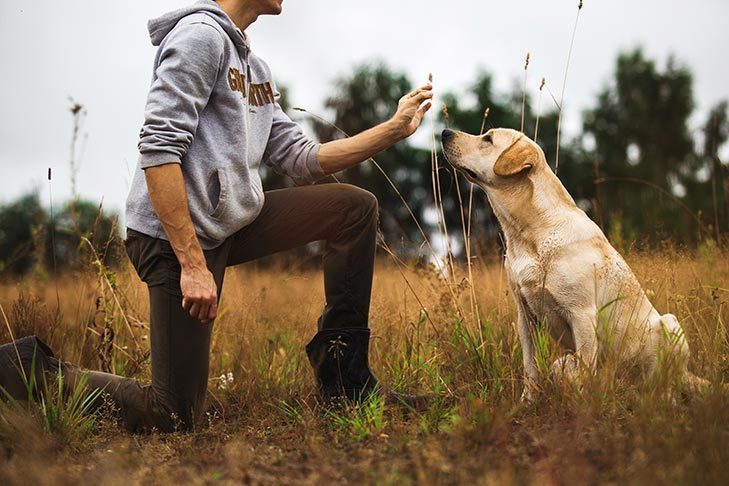
When our friend arrived today, she brought a rawhide chew toy for Zena.  They had recently got a new puppy and Melissa has been using them as a sounding board for what works (and does not) when trying to get your puppy to mind.  When we had dog sat for them, they had brought several curled strips of raw hide for Eddie to play with, but I had not paid much attention.  When she gave the rawhide to Zena, it was like the dog was in heaven.  Zena tossed and chased and chewed on the strip for half an hour.  She mentioned rawhide was a good form of sitter when you could not pay close attention to your dog.

When I looked online, I found rawhide refers to a hide or animal skin that has not been exposed to tanning.  The process for making rawhide begins with the fur, meat, and fat being removed from the skin (buffalo, deer, elk, or cattle).  The hide is stretched over a frame to dry, and the material becomes hard and translucent.  Rawhide can be shaped by rewetting and forming before being re-dried.  Rawhide is often used for whips, drumheads, or lampshades, and more recently as chew toys for dogs.  It is more durable than leather if the item will experience abrasion during use, and its hardness and pliability can make it more suitable than leather.  Rawhide is effective for training dogs and satisfies their desire for meat.  Some veterinarians discourage giving small pieces of rawhide because of the inability to digest the rawhide properly and its tendency to swell in the stomach.  That is less of a problem with rawhide strips that cannot be swallowed whole.

I also found the Visalia Rawhide, a Minor League Baseball team of the California League and the Single-A affiliate of the Arizona Diamondbacks.  They have played in Visalia, California, at Valley Strong Ballpark since their start in 1946.  The team has had nine names, most of which reflect changing major-league affiliates, and took the name Rawhide in 2009.  The mascot is a Holstein Bull named Tipper, introduced on October 15, 2008.  Tipper represents the tens of thousands of Holsteins in Tulare County, which is the top dairy-producing area in the country.  Tipper’s home is a 40′ x 20′ red barn which is part of the outfield fence.  The traditional red barn was built as a “community barn raising” to raise awareness for Habitat for Humanity and stands as an icon for the agricultural heritage of the valley.  Once per season, the team wears old-fashioned uniforms recalling Mighty Casey, the main folklore hero of “Casey at the Bat” and the “Mudville Nine”, based on the Stockton Ports in Stockton, 160 miles (240 km) to the north.

THOUGHTS:  Wet rawhide was used by some cultures as a means of torture or execution, gradually biting into the parts of the body encloses as it dries.  Rawhide was also used in the context of medicine by First Nations peoples.  The Sioux Nation would wrap wet rawhide around a long bone fracture, and as it dried it would slowly set the bone.  The dried rawhide then served to support the fracture, like a plaster cast today.  Many items’ humans make can be used for good or ill.  The same can be said today for wearing masks.  The difference comes with the intent of the user.  Act for all.  Change is coming and it starts with you.