Peaches

July 7, 2020

I have liked freestone peaches since I was a little boy growing up in western Colorado.  We left when I was almost five, but I have memories of climbing the branches of the peach trees and eating the peaches fresh picked.  The western slope combines low humidity, warm days, and cool nights to grow great peaches.  Although I never knew this or thought about it as a child, we did not have much money growing up.  My parents had come from the farm and knew how to compensate by collecting and canning what was around us.  That was everything from hunting deer, picking peaches, and collecting asparagus from the irrigation ditches along the roads.

Earlier I had bought a small box of peaches from the box store and set them on the counter to ripen so I could eat them.  I never know what kind of peaches I am buying when I get peaches from the store.  Melissa likes the cling peaches and I prefer the freestone type.  Melissa thinks the cling are sweeter, but I struggle with how to eat the meat of the peach around the pit.  The problem I have going to the store is I never know which of the types of peaches are available.  Over the weekend a friend of ours picked up a bushel of Georgia peaches a man had trucked into Arkansas and she split these with Melissa.  I checked online and learned the peaches coming ripe now are generally freestone peaches.  I hoped this was right.

The other problem I have with peaches is finding ripe ones or figuring the best way to let them ripen.  When I get ripe peaches, they do not seem to last long before they are too ripe and messy.  This is especially true when you buy even a small box as I had.  Now we had nearly 30 peaches that were hard as a rock.  Our friend suggested we put them right side up and let them set on the counter until ripe.  We did but since the counter is full of succulents, I moved the peaches out to the garage Saturday night.  It was near 100 degrees Sunday with a heat index around 110 and it always seems hotter in the garage.  When I checked the peaches that night, they were ripe and ready to eat.  I would have never thought of doing this to ripen the fruit.  Now, what to do with 26 ripe peaches.

THOUGHTS:  I tried one of the peaches and it was amazing.  Melissa volunteered to take care of the peaches.  She said she, her mom, and mamaw used to buy peaches by the bushel.  They would form an assembly line to peel, cut, and bag the peaches for freezing.  I mentioned the peaches to my sister, and she commented how wonderful ripe peaches are. We talked about memories from our time in Colorado.  It is funny how what is remembered can differ between people and even over time.  There is also a tendency to suppress our bad memories, even while we enhance our good ones.  We live in a time which will create a lot of memories, and we are at a juncture where real change can occur.  Rather than just remembering, we need to learn from our experiences.  If you can, work to keep the conversation going.

Anthropause

July 6, 2020

I read an article in SMITHSONIANMAG.COM about a new word being proposed by scientists.  During this period of worldwide lock down the lack of activity has been noticed by the animals that live in our midst.  Apparently, some people have begun to call this period the “Great Pause.” Christian Rutz and a group of researchers wanted a more precise name.  “We propose ‘anthropause’ to refer specifically to a considerable global slowing of modern human activities, notably travel.”  The authors go on to say this presents a unique opportunity to study human-animal interaction.  Sadly, such interactions are rarely good for the other animals.

I went fishing last week along the Mulberry River.  I had wanted to go to the city park at Bluff Hole.  The last time I had gone the water was high and I was not able to fish.  This time I arrived to find a caretaker living in a trailer at the entrance and a posting requiring a $5 entrance fee.  Since all I had was a ten, I decided to find a different place to fish.  I drove through another park with the same requirement to get further down the river.  I put out my line and immediately caught a bluegill which I used as bait for my cat pole.  As I sat on the bank a doe and her fawn came to the water on the other side.  We looked at each other and she was unafraid.  They got their drink and moved on.

In the book, Guns, Germs and Steel, Jared Diamond correlated the movement of humans with extinction of Megafauna.  When humans branched out of Africa, they found the large game plentiful.  By 10,000 years ago we had wiped out the large herbivores and their predators from Europe, the Arctic, Australia, and the Americas.  These extinctions all occur in conjunction with the introduction of humans.  Elizabeth Kolbert is a biologist who outlines the rapid increase of extinctions of all flora and fauna in the book, The Sixth Extinction.  She estimates between 20-50% of all species will be lost by the end of this century. The first five mass extinctions were caused by cataclysmic events.  The sixth is by us.

THOUGHTS:  I read another article by Michelle Starr about the role of Humans in animal extinctions.  Our evolving brains greatly impacted predators, as our ancestors learned it was easier to steal a meal than to hunt one, a trait still found in chimpanzees.  The problem we have is our ability to innovate and adapt.  This ability is allowing us to double our numbers twice in the last century, and the plants and animals are being pushed aside to make room.  The earth has established biotic communities where each species interacts to give life to the whole.  When you remove some of the players you can destroy the balance and the result is extinction.  If you can, work to keep the conversation going.

Masks

Masks

July 4, 2020

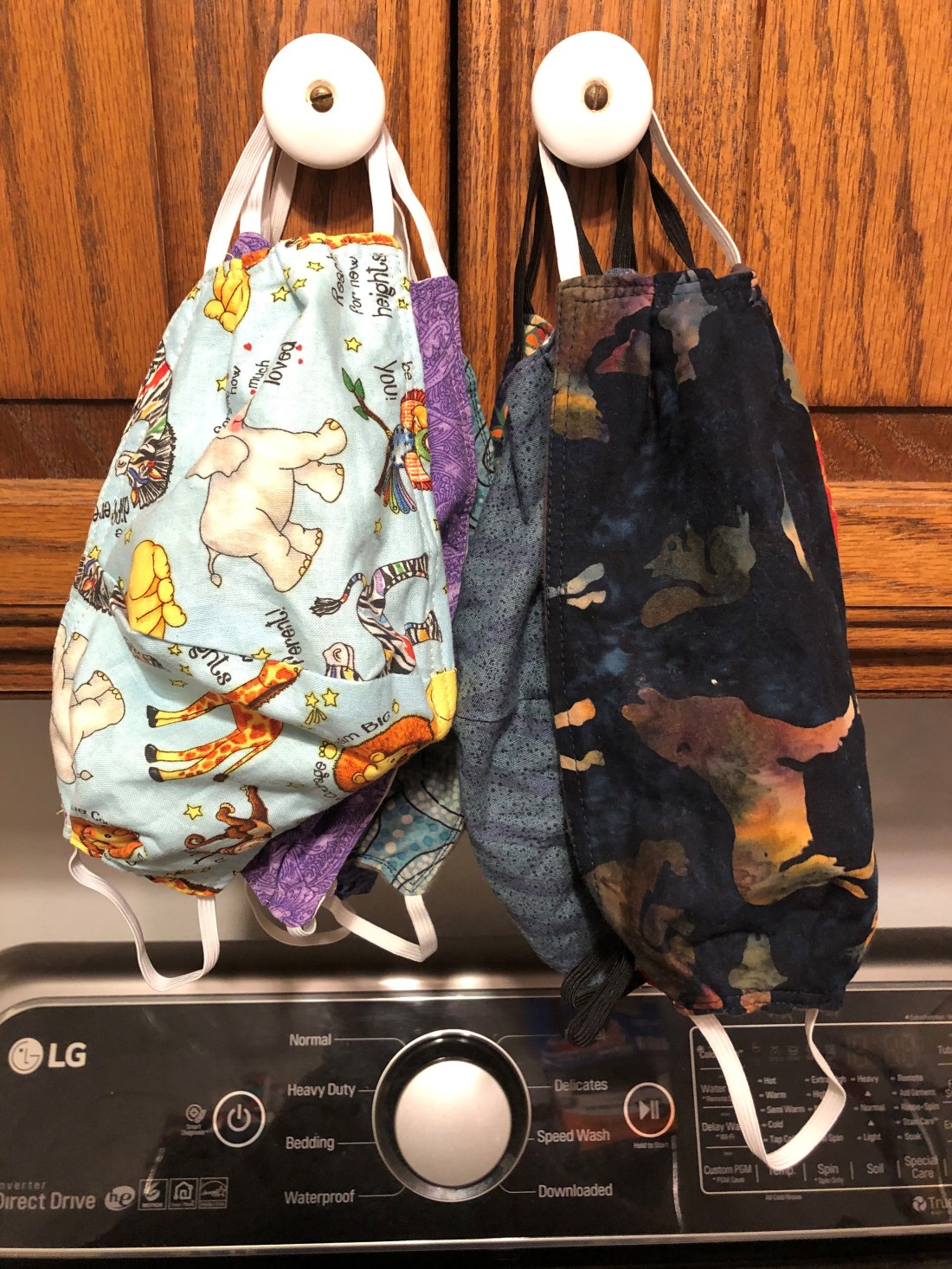
When the restrictions on getting out were eased in May my sister sent Melissa and I four home manufactured masks for use in public.  I am calling these manufactured rather than made because she has produced over 470 masks to date and counting.  She has sent the masks to family and friends.  When being outside became more prevalent we received another shipment of 6 masks.  This lets us use a mask, drop it in the laundry, and still have another mask available if I venture out the next day.  This has been invaluable for Melissa as she goes into work Monday through Friday and is required by her company to be masked.

I came across a column by Curtis Ramsey-Lucas, editor of the conservative Christian Citizen magazine dated July 2, 2020. The article addressed the issue of wearing masks, but the comments were far reaching. Corona virus cases in America have risen 80% in the last two weeks, while dropping dramatically in other wealthy democracies. While the United States had 40,000 new cases on Monday the European Union had less than 6000, despite having a larger population. America also has twice as many confirmed deaths at nearly 130,000 than any other country. The difference appears to be our unwillingness to wear masks.

Ramsey-Lucas said this “aversion to sensible, modest, action by individuals to benefit themselves and others is rooted, in part, in a desiccated conservatism that no longer has a frame of reference larger than the individual. This way of thinking is, to a very real extent, no longer conservatism, but an extreme form of liberalism in which the unfettered individual is the end all and be all of life.”  Ironically, this same claim was made by conservatives after World War II concerning liberal factions.  “Rather than defending a traditional concept of community and common welfare in which individuals understand the connection between rights and duties, many who claim the conservative mantle substitute a doctrinaire individualism that ultimately benefits neither the individual nor society.”

THOUGHTS:  While this article ties the use of masks to rising case numbers, it sheds light on a larger issue, our staunch individualism that places our wants and needs above others.  Ramsey-Lucas’ article quoted several people known to be founding leaders of the conservative movement, and even quoted Paul writing to the church in Philippi, “Let each of you look not only to his own interests, but also to the interests of others.” (Philippians 2:4).  Masks have never been about protecting you, they are about your willingness to protect your neighbor.  If you can, work to keep the conversation going.
Dinner

Dinner

July 3, 2020

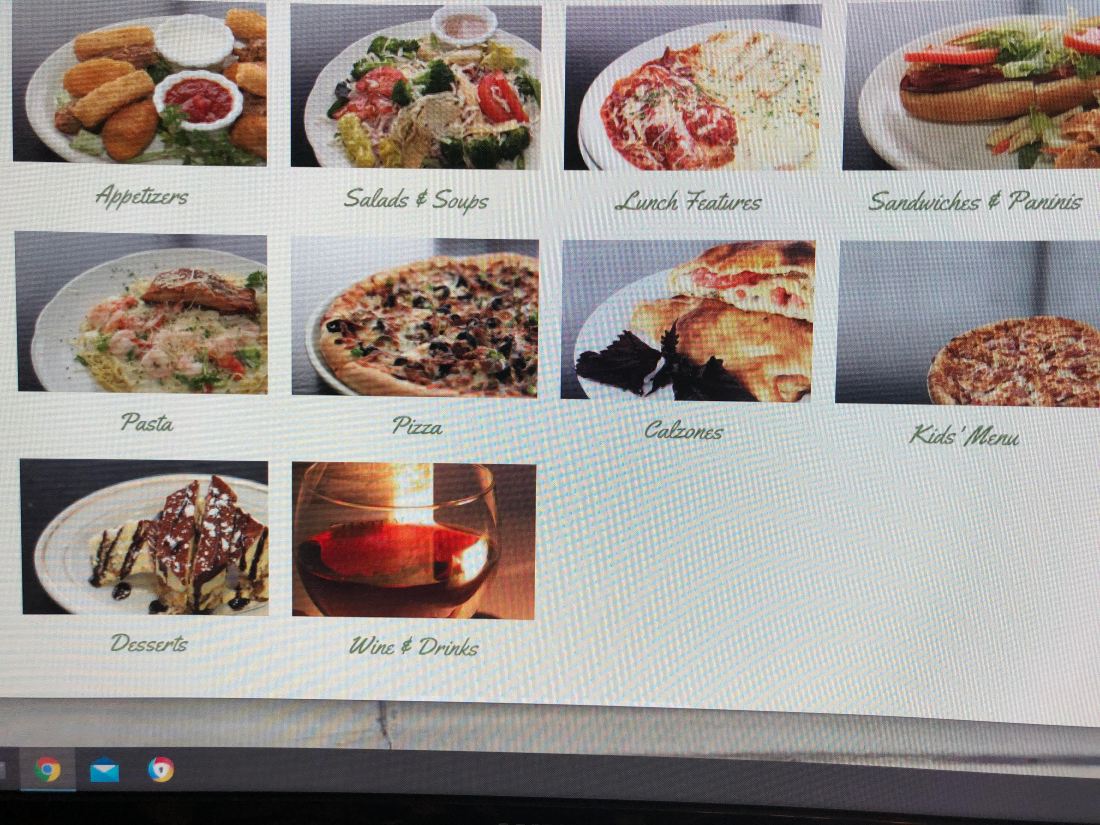
We had an Italian restaurant in Wichita only a few blocks from our house that Melissa and I went to at least monthly.  Melissa always got the Lasagna and I usually got the Fettuccini Carbonara.  We used this as a date night spot, but also invited mom along or even my brother and sister in law.  When it was just Melissa and I we would often walk the five blocks to get some added exercise.  Nothing like an evening stroll to get the appetite going.

Yesterday Melissa mentioned mom must be missing the weekly lunches she has been having with my brother and his wife.  Sunday lunch was a tradition started by my dad 25 years ago.  For the last several weeks they have been getting together for Sunday lunch on the outside porches at one of their houses.  They were gone Sunday so no lunch or break from the monotony of stay at home living.  That is when Melissa came up with the idea of having a virtual meal together.  She said several people she knows have been doing this.

I called mom to see what she thought and at first, she did not understand if we were coming to Wichita or what.  I explained the idea and she agreed that we would eat at six.  I called our restaurant and arranged to have a meal of blackened salmon, pasta, and a Caesar salad delivered.  We had spaghetti in the freezer, so I got it out to thaw.  At five I warmed up the oven and made a Caesar salad.  I have the free zoom format but for two callers it has unlimited time.  The meal was good and the conversation interesting.  It is surprising what you can do when you think outside the box.

THOUGHTS:  I saw a story on TV about people meeting for first dates through online chat formats.  Each person sat down to their own meal and got to know the other virtually.  If they made the cut, you could decide whether it was worth the risk of meeting them in person.  The current crisis is forcing us to make decisions about what we are willing to risk.  We can choose to withdraw into our comfortable circle, or we can risk changing past behaviors.  You may even find outside the box is a better way to connect.  If you can, work to keep the conversation going.
Dollar

Dollar

July 2, 2020

I used to love going back east thirty years ago and enjoy the different feel of the city from that of western communities.  The established neighborhoods were built in a time before cars and everything tended to happen local.  At that time there were different enclaves of shops, markets, and hardware.  I would go inside the small groceries and pour over the shelves of tightly packed goods.  When I moved to the west coast, I found a similar situation in communities like China Town in San Francisco.  Most of the area in between seemed filled with either large malls, commercial markets, or the corner minimart.

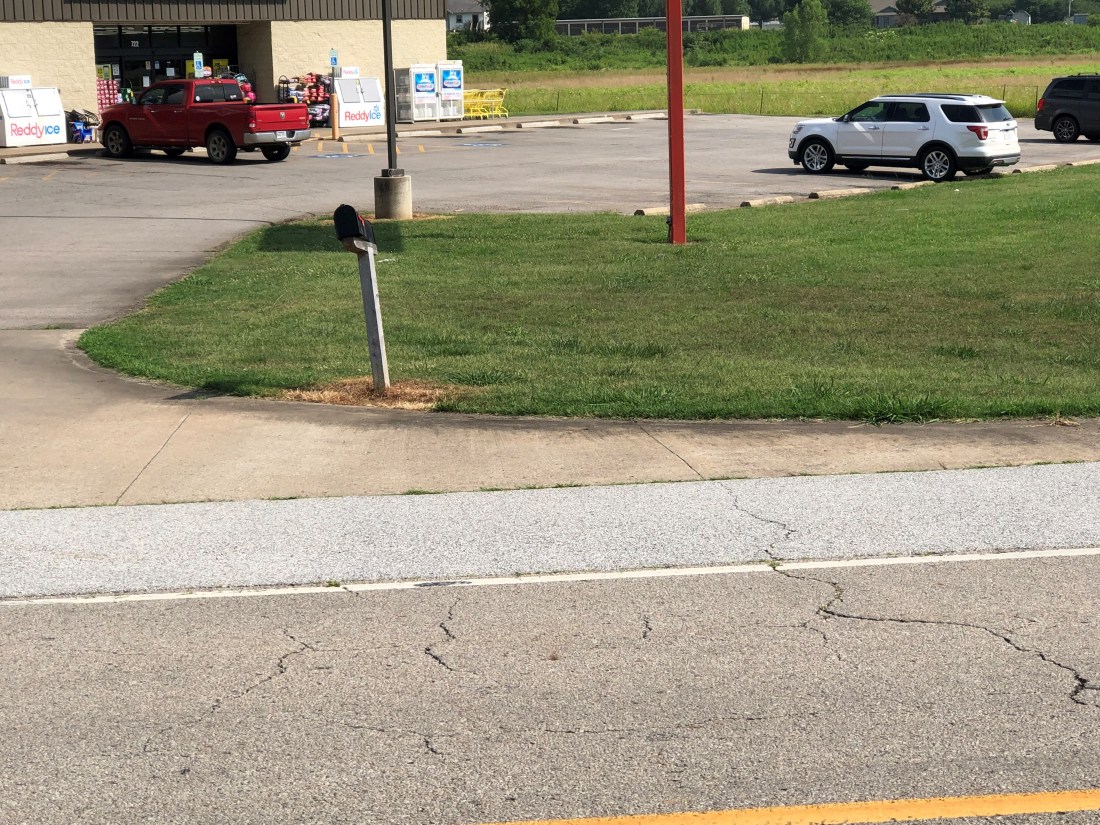
I was directed to an article published in ProPublica and co-published with The New Yorker.  It opened with a man speaking about his St. Louis neighborhood.  In the 1970’s and early 80’s it had been thriving with plenty of merchants and grocery stores.  As the population dropped from 850,000 to 300,00 due to suburban flight and deindustrialization, these stores were replaced by discount chains sporting some form of the name Dollar.  The chains allow people to remain in their neighbor and get a wide variety of goods for an exceptionally low price.  The popularity of these stores has forced many of the mom and pop stores out of business.

The problem the story addressed was the violence often associated with the stores.  They are typically staffed by 1-3 minimally paid workers with no security.  The aisles are stacked with boxes and the front windows are blocked by stacks of boxes and ads touting “everything a dollar.”  As other venues have left this makes the stores the only place with available cash.  These conditions combine to make the stores open to armed robberies.  In 2017 there were 38 armed robberies and three murders in the 18 stores in the city of Dayton, Ohio, and more in the surrounding communities.  This comes with an average of over 1000 calls for assistance from the police to stores annually.  The numbers only go up.

THOUGHTS:  I live in a community of less than 10,000 and we have two, one on either side of town.  Over 75% of these stores are in rural areas or communities under 20,000 people.  While a record 25,000 retail stores are expected to close this year, just one of the big three plans to open 1000 new locations.  These were part of the stores considered “essential” since they sold minimal amounts of food.  These essential workers put their lives on the line daily, in more ways than one.  If you can, work to keep the conversation going.
Semi

Semi

July 1, 2020

I have mentioned that Melissa drives the Interstate an hour and twenty minutes each way to get to work.  She goes in and leaves an hour before the rushes to try and miss the worst of the crush.   She still comes home several times a week and tells me stories about the traffic and the crazy drivers on the road.  Several days ago, she told me of the driver who decided it would be a good idea to use bungee cords to attach two kayaks to the top of his small sedan.  The kayaks were already bouncing as he blew around her and sped for the exit.  Melissa backed off expecting the worst.  Sure enough, he took the exit too fast just as the wind caught and propelled both boats off his roof.  Luckily, they blew toward the side of the road rather than into traffic.

Having lived in the Bay Area for 15 years I can relate to what she says.  There is always someone who thinks you are in their way and is willing to drive recklessly to get around.  This attitude has taught me to back off when someone thinks they need to challenge me on the road.  I recall talking to a friend who said earlier in the day he had been at the entrance to the bridge and a truck carrying flammable fuel hit the center divider head on.  The resulting fireball scorched the paint on his car.  My friend and the driver somehow survived.

I am writing this because I went to work in Mountainburg yesterday traveling the same highway Melissa travels daily.  On my way home I got caught behind two trucks with one trying to pass.  I knew it would take him a while to get up to speed on the mountain but backed off anyway.  Another driver sped up and cut in front of the passing semi, causing him to slow.  Then a man pulling a trailer decided to do the same thing.  When he finally got up to speed the trucks had closed distance and there was not enough room to make it through.  Rather than backing off, the trailer driver stayed put, making it impossible for the semi to pull out of the passing lane.  We got down to 45 in the 70 mile per hour zone before a gap opened and the trailer cut on through.

THOUGHTS:  I am amazed by the trash found along the side of the road.  I have seen coolers and mattresses and today saw a sofa crumpled in the ditch.  I am never sure whether these they are lost or left.  I have also seen tires fly off cars and cut across my path on two different occasions.  I cannot image how vigilant you would need to be to drive a semi.  We have an ad on TV with a lawyer who boasts about being able to go after the drivers of these vehicles.  From what I saw yesterday, and Melissa sees daily, it is rarely the semi driver’s lack of attention.  We all need to drive defensively.  If you can, work to keep the conversation going.
Blood

Blood

June 30, 2020

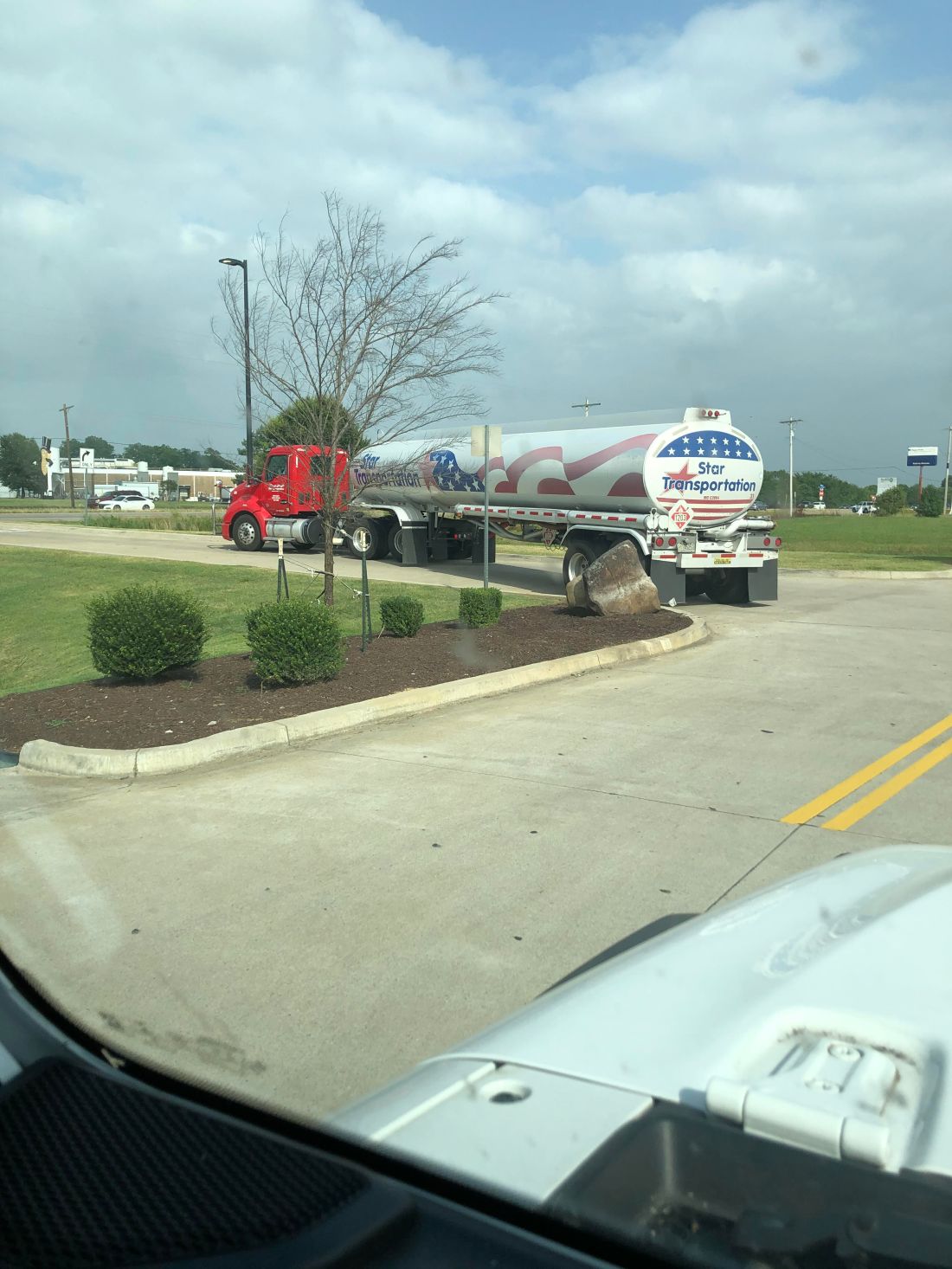
We received a notice several weeks ago that there was going to be a blood drive at a local church.  Melissa brought it to my attention and asked if I would be willing to go with her.  I have been hearing about the shortage of blood not just in our area but across the nation.  The local news has also mentioned a number of drives that were forced to cancel.  They were going to require masks and to disperse the donation stations around a large fellowship hall.  I agreed and we made an appoint for after Melissa’s work.

I arrived early and sat in my car waiting for Melissa to get there.  I noticed several people come and go over the 20 minutes I waited.  They were all putting on masks to go in and taking them off as soon as they got outside.  We went in together and signed in.  We were given several laminated sheets of instructions and then asked to take one of the socially distanced chairs.  After a quick screening history, I was asked to take any of the dispersed tables to give blood.  A nurse then came over and set up the equipment.

During the 5-10 minutes it took to prep me, I carried on a casual conversation with the nurse.  I mentioned what I had heard about the drive cancelations and asked if they were just starting up again.  She told me they have been doing blood drives all through the crisis.  The problem is they are finding it hard to get donors.  The canceled drives have happened because the locations have closed or canceled a drive already scheduled.  When I learned this, I was glad the church decided to schedule a drive.

THOUGHTS:  One of the reasons we decided to give blood was the promise of an antibody test.  One successful treatment has been giving the “yellow gold” plasma from people who have had covid-19 and developed antibodies.  We have not had symptoms, but the news talks a lot about the high number of asymptomatic cases.  I used to give blood several times a year while I was in college, then I moved and got out of the habit.  My information says you can give every 56 days, or eight weeks.  Perhaps I will find another drive in two months.  If you can, work to keep the conversation going.
Harvest

Harvest

June 29, 2020

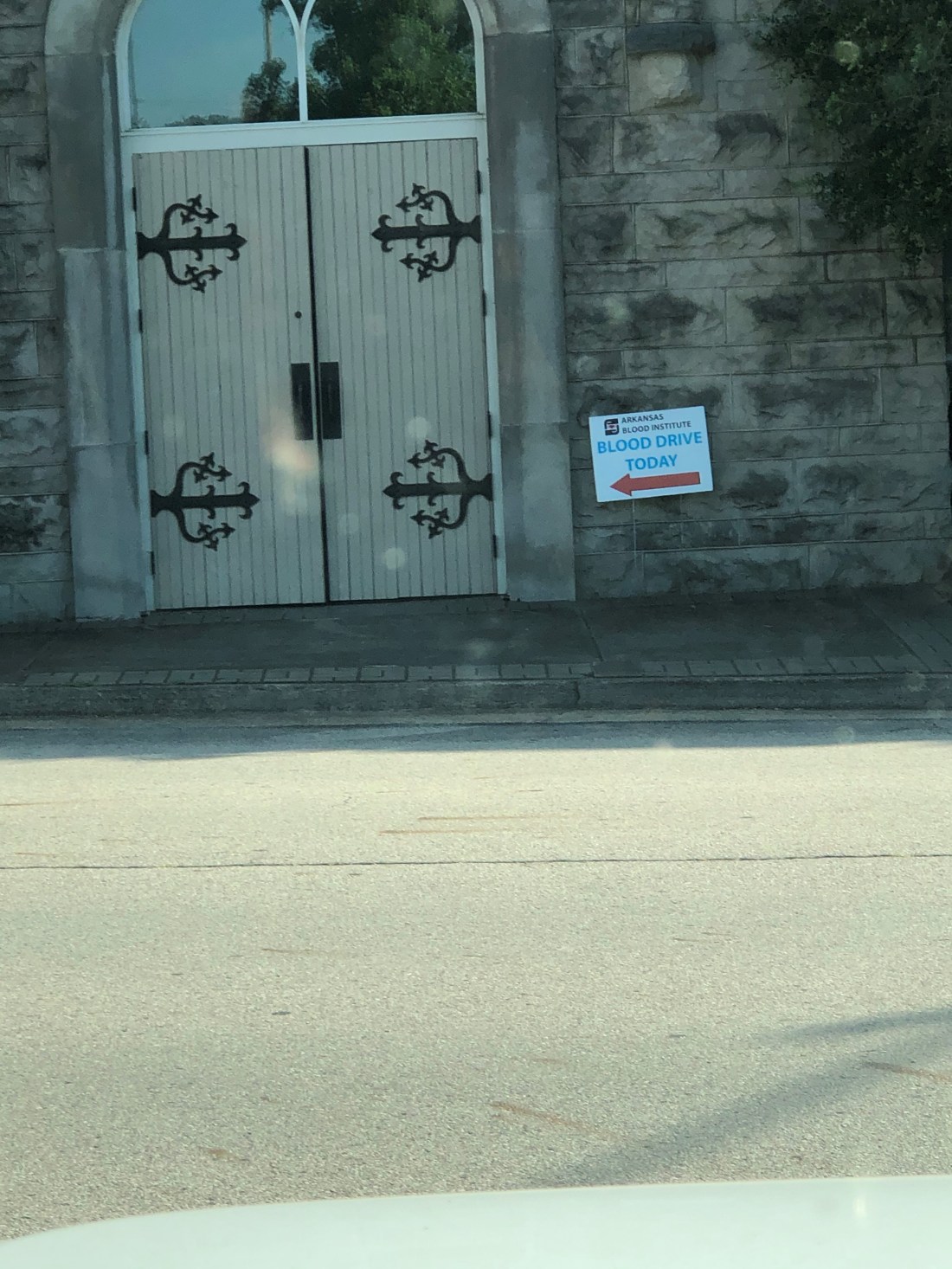
Saturday the due dates for my beans and peas came.  They have been looking close for several days and most of the beans were at a pick-able length.  The pea plants are covered in snow pods and still have a few flowers, but the plants are starting to sag, and the lower leaves are getting yellow.  I harvested Saturday and then cut the rest of the smaller growth on Sunday.  I have been looking forward to a pot of fresh beans since I planted them a couple of months ago.  This was not a huge harvest, but enough beans to make a meal for Melissa and me.

I have been saving what I thought was a ham hock in the freezer for a while.  It was in the bottom of the bin for I am not sure how long.  I got it out and put it in the refrigerator to thaw last week in anticipation of cooking the beans.  Several weeks ago, I had made beans and potatoes and had added bacon to the boil.  This was ok, but not like adding a ham hock.  Somehow the extra bone adds to the flavor of the dish.  This is what I had been anticipating.

I examined the hock closer after it had thawed and realized it was not a hock at all.  It was three large pieces of ham left over from something.  I was both disappointed and elated.  While I would not have the bone to flavor the beans, I would have enough ham for several more sandwiches.  I sliced the ham into sandwich sized pieces and then cut half of it up into smaller cubes.  The small cubes went into the pot with the beans, new potatoes, and half an onion and I put them on to boil.  Twenty minutes later we had the satisfaction of our first home grown, home cooked meal.  I have read I should be able to get another harvest if I plant again in mid-September.  I am already looking forward to another pot of beans.  Now for the snow peas.

THOUGHTS:  There are times when the anticipation is at least as much fun as the event.  This was true when I was a child.  I would wait for Christmas and anticipate what might be under the tree.  Both Dan and I would sit and hold our “big” presents from our parents at night wondering what they might be.  While I was expecting the production from the plants, the ham came as a surprising bounty.  I have found that life can hold the same expectation and even the surprise of unexpected bounty.  I have also found that you will only reap what you sow.  I hope during this time of unrest you are making sure to sow seeds of hope and reconciliation.  If you can, work to keep the conversation going.
Black

Black

June 27, 2020

I have been watching several fishing posts on YouTube about monster bass and catfish noodling.  When I wake up, I usually pick up my phone and spend a few minutes seeing what has popped up on my recommends before I get up.  I realize this is a frivolous waste of time, but it does get me awake in the morning.  After all, the old saying is, “Man does not live by gardening alone.”

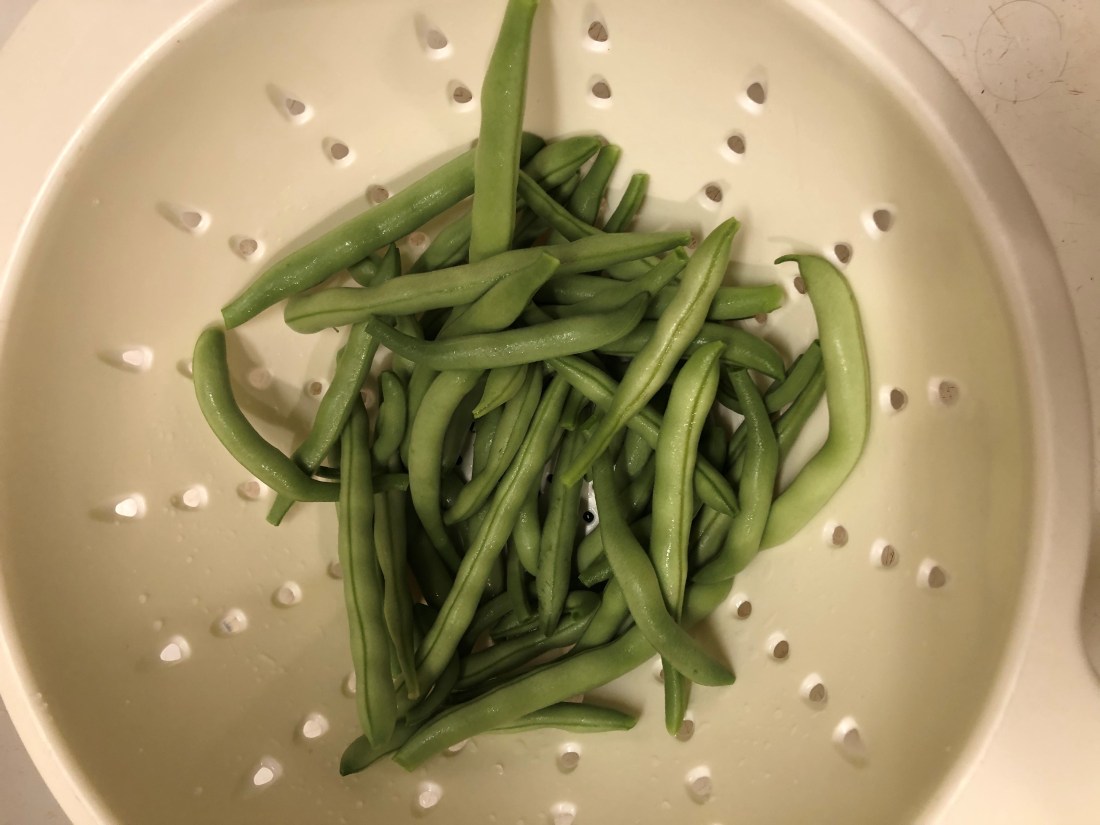
You can imagine my surprise when out of nowhere I got a recommend for “Uncomfortable Conversations with a Black Man,” hosted by Emmanuel Acho.  Acho is a former linebacker in the NFL and now works as an analyst for Fox Sports 1.  His weekly posting features white celebrities and Acho having a conversation.  As the site states, “Emmanuel Acho sits down to have an “uncomfortable conversation” with white America, in order to educate and inform on racism, system racism, social injustice, rioting & the hurt African Americans are feeling today.”

There have been three of these weekly posts to date.  The first was a monologue by Acho but the intent was always to have a dialogue between Acho and a white guest.  Acho began the second episode addressing terminology and said it is best to say Black.  Not all people consider themself African and many others feel they have had their African heritage stripped away by slavery.  “Black is the most accurate but also the least offensive.”  I have not even followed my fishing video sites, but I subscribed to these future posts.

THOUGHTS:  I have seen this terminology shift several times between African American and Black during my lifetime.  This is not unusual for any of us as we struggle to find our identity.  Our world is constantly changing, but the one thing that seems to remain the same is the powerful imagery created by words.  What we say and how we say it does matter.  We can use words to tear each other down or to lift each other up.  I hope you choose the latter.  If you can, work to keep the conversation going.


Sand

Sand

June 26, 2020

I went fishing yesterday after I got my work finished.  I had planned on going to one of my usual spots on a side relief of the Arkansas River.  As I drove through town, I realized I would only have a short amount of time to fish, as I needed to drive back to meet Melissa early in the evening.  I noticed a sign to a park along a creek emptying into the Arkansas.  We had driven down the road to this park several months ago and it had some promising spots to fish.  I decided to take a chance and see if I could get some cats.

I arrived and chose what looked like a promising site with a worn path down to the river.  I opened my worms hoping to catch something small I could use as bait for the big ones.  Apparently, the survivability of the green worms was not up to speed as they were all dead.  At least they were not completely fetid, and I was able to thread one onto my hook and bobber and tossed in.  The rest had already molded together, and I threw them out.  I was using my Carolina rig again and I gouged my hook through a nice slice of Spam. Today I was going to make this work.

I had a similar experience as fishing the Tubes.  My rig caught on the bottom immediately and I lost the hook.  I next tried a bobber and when I cast the Spam flew off the hook.  The thin slices clearly did not work.  I switched bait again and realized I needed to go to meet Melissa.  We met up and decided to go home.  On the way we passed a restaurant that we had wanted to try on Sunday, but the lot was full.  Tonight, there were only two or three cars.  When we got home, I could not figure out why I kept rubbing sand out of my hair and forehead.  Then Melissa told me of the sand cloud she had seen coming down the mountain into Fort Smith.

THOUGHTS:  I had heard the sand carried by the wind was coming for Arkansas and would get here today.  While it looked a little hazy, I did not think about it being sand.  Melissa kept wondering where the fire was and why the smoke seemed to move as see drove home.  The Saharan winds blowing sand across the Atlantic is not new.  Scientists suggest the lush Amazon Basin is the result of wind-blown nutrients from Africa.  This storm is of historic proportions with dense concentrations of dust.  They also think this might mitigate the horrific hurricane seasons we have been having lately.  Once more the earth is showing its amazing resilience.  If you can, work to keep the conversation going.