Elusive

April 10, 2021

Several weeks ago, I mentioned the competition between the Mockingbird and Cardinal over the Snowball Bush in our front yard.  The Cardinal seems to have given up but now there is new competition.  I have noticed a medium sized brown bird flitting in the bush or along the ground nearby as I come into the driveway.   It took a while to finally get a photo of the Mockingbird and the same is true with this elusive bird.  I would drive in and he would take off, or I would reach for my camera and he was gone.  Today I saw him near the bush and happened to have my phone in my pocket.  I snapped him from inside the house as he rummaged for insects on the ground.

The Brown Thrasher (Toxostoma rufum) is a bird in the family Mimidae, which includes the New World catbirds and mockingbirds.  The Brown Thrasher is abundant throughout the eastern and central United States and southern and central Canada, and it is the only thrasher to live primarily east of the Rockies and central Texas.  The bird is relatively larger than other thrashers.  It has brown upper parts with a white under part with dark streaks and is often confused with the smaller wood thrush (Hylocichla mustelina), among other species.  When I took the picture, I told Melissa I had finally gotten my elusive thrush.  Instead, I got my thrasher.

When I found the bird online the site said that like Mockingbirds, Thrashers are prolific songbirds.  While the mockingbirds sing around 20 different songs (mocked from other species), the Brown Thrasher is noted for having over 1000 song types.  This is the largest song repertoire of any birds.  The bird is an omnivore, with a diet ranging from insects to fruits and nuts.  The usual nesting areas are shrubs or small trees.  Another characteristic the thrasher shares with the mockingbird is they are both highly territorial.  While they are generally inconspicuous and elusive, they will attack, especially when defending their nests.  These attacks have been seen on animals as large as humans.  I am not sure whether it is better to be divebombed by a mockingbird or a thrasher.

Thoughts:  The Audubon site indicates thrashers are common to Arkansas and are permanent residents in the south but are mostly migratory in the north.  They are generally an eastern bird, except for a few strays from fall to spring when the weather is cooler.  The Audubon site adds another feature at the bottom of each bird description page on how climate change might affect the bird’s range.  An average increase of 3C will result in a loss of 87% of the thrashers current range, while it will gain an additional 36% of range in Canada.  Basically, the elusive bird will become nonexistent in most of America as it moves north.  Scientists tell us most of the greenhouse gasses come from two sources, automobile engines (CO2 or carbon dioxide) and corporate farming (CH4 or methane).  Methane is also being released as the frozen tundra of the Arctic thaws.  We know how to fix the problem; we just need to act.  Follow the science.  Change is coming and it starts with you.

Found

April 09, 2021

When I was reading my paper this morning a male American Goldfinch (Spinus tristis) flew onto one of my feeders.  While I had taken an earlier photo of a female Goldfinch, this was the first male I have seen at my feeders.  The males have a bright yellow body while the females are a duller yellow brown, and both have white stripes on black wings.  I quickly found my camera and stealthily came back to the bay window.  The bird flew off as I approached but landed in a nearby tree.  I refocused my lens and clicked the photo.  Nothing.  I tried again and remembered the last time I had this problem was when I had removed the photo card.  I went back to the office to get the card from my computer but by the time I returned the Finch was gone.  No finch photo for me today.

I had taken my flash card out of the camera and put it in my computer because I was trying to identify a pair of birds I found last week.  They were large duck like birds but had a goose like knob on top of the bill.  The male had a black body with splashes of white and the female was the color of a female mallard.  They both had white heads and necks, with distinctive reddish-orange eye patches.  I had never seen anything like them.  I have been going through my bird identification sources since I photographed them but had been unable to identify what they were.  I began to think they were some sort of hybrid.

With the disappointment of not being able to photograph the male Goldfinch I decided to try and identify this illusive bird once more.  I searched through my books, checked my online identifiers, and finally found something that was similar (but not like) the birds I had seen.  Muscovy Ducks (Cairina moschata) are large, heavy-bodied ducks with long necks that can make them look like small geese.  They have a long bill that slopes smoothly up to the forehead.  Males are larger than females, and individuals of the domesticated subspecies (Cairina moschata domestica) are often larger than the wild subspecies (Cairina moschata sylvestris).  When I heard some varieties were domesticated, I checked for images of domesticated Muscovy.  That is where I found images of my ducks.

Thoughts:  Muscovy ducks make good pets because of their peaceful temperament and because they are relatively silent.  The domesticated Muscovy duck is the only domestic duck species not bred from mallard stock, and several Indigenous tribes had domesticated the Muscovy by the time of Columbus’ arrival in the Bahamas.  They are often raised for their meat, and the taste is often compared to that of expensive ham (appropriately, I saw them around Easter).  Muscovy’s seem to be one of the few things that do not taste like chicken.  While the wild Muscovy are found in Southern Florida and the Rio Grande River Valley in Texas, the domesticated variety stretch throughout the Americas.  Domestication of wild species is one of the ways humans have found to expand their populations.  That is true for both domesticated animal and plant species.  Humans have found that domestication often alters appearance but can also alter the viability of the species.  Most grains grown today are Hybrids, which mean they are sterile and cannot reproduce without human intervention.  While they outproduce wild varieties, they are genetically more vulnerable.  Follow the science.  Change is coming and it starts with you.
Flies

April 08, 2021

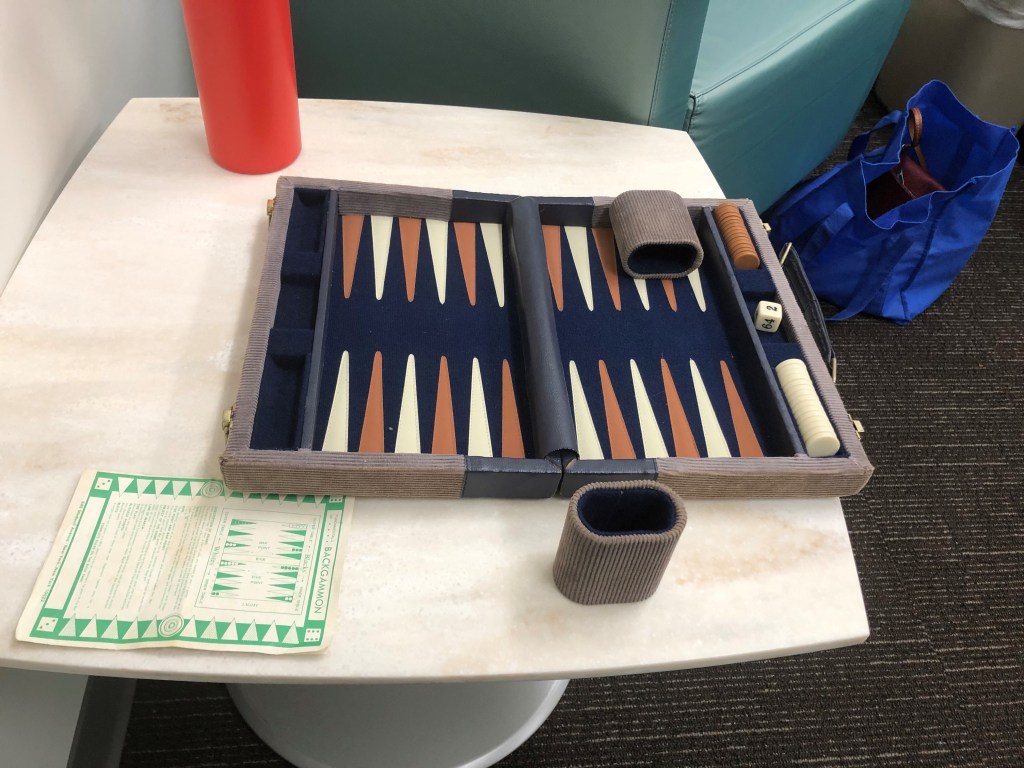
When I was making dinner last night, Melissa called and asked me to come look at our front screen door.   I had noticed earlier in the afternoon that the screen seemed to have black specks all over it.  We have a cold front coming in and it brought along 10 to 15 mile per hour winds.  Since it was windy (for Arkansas) and having just mowed the grass, I though that must be what was all over the screen.   When I checked on Melissa’s request, I found the specks were about 50 small flies that had spread across the entire screen.  I have never seen anything like this before and could not imagine what caused them to gather.  I thought of getting the fly swatter but figured they would just come inside if I opened the door.  I left them alone.

When I looked online, I found these were probably either “grass” or “cluster” flies (Pollenia rudis).  The typical cluster fly is about 7 mm long and can be recognized by distinct lines or stripes behind the head, short golden-colored hairs on the thorax, and irregular light and dark gray areas on the abdomen (I did not get that close to look).  Cluster flies are typically slow-moving and are completely harmless to human health.  They are instead strictly parasitic on earthworms.  The females lay their eggs near earthworm burrows, and the larvae then feed on the worms.  Cluster flies seek refuge in cold weather and find their way into attic spaces and similar areas indoors.  They often emerge on warm days, and cluster at windows (hence the name).

While the article spoke of the flies coming into the house through the attic or small cracks in the house, ours were instead clustered on the outside of the house, although I do not know where they wintered.  Since the flies “cluster,” they can become a nuisance when they gather in the attic during the winter or when the warm weather brings them outside in March or April.  While there are a variety of chemicals to control them, the best way is by mechanical exclusion.  Since they are hibernating when they are in the house, and sluggish even when they are not, the site suggested you might use a mini vacuum to catch them.  Seriously, this is something you just cannot make up.

Thoughts:  I found it interesting that every site I found online about cluster flies concerned how to get rid of them.  While a few did contain information about the flies themselves, every one of them recommended ways to eliminate the flies.  This was more interesting as the sites all confirmed they were not a threat to humans.  They just slowly go about their business of propagating and laying eggs in my yard.  If I were a worm, I might be worried, but since I am human, there is no reason to be concerned.  Other types of flies are not only a pest but also carry disease and some even bite, but not cluster flies.  We have lumped these flies in with all the others because they look similar and gather in large groups.  We tend to do this with people as well.  Rather than getting to know them as individuals we group them together and discount them all.  We need to recognize the value of individuals rather than discredit perceived traits of groups.  Do the work.  Change is coming and it starts with you.
Plan

April 07, 2021

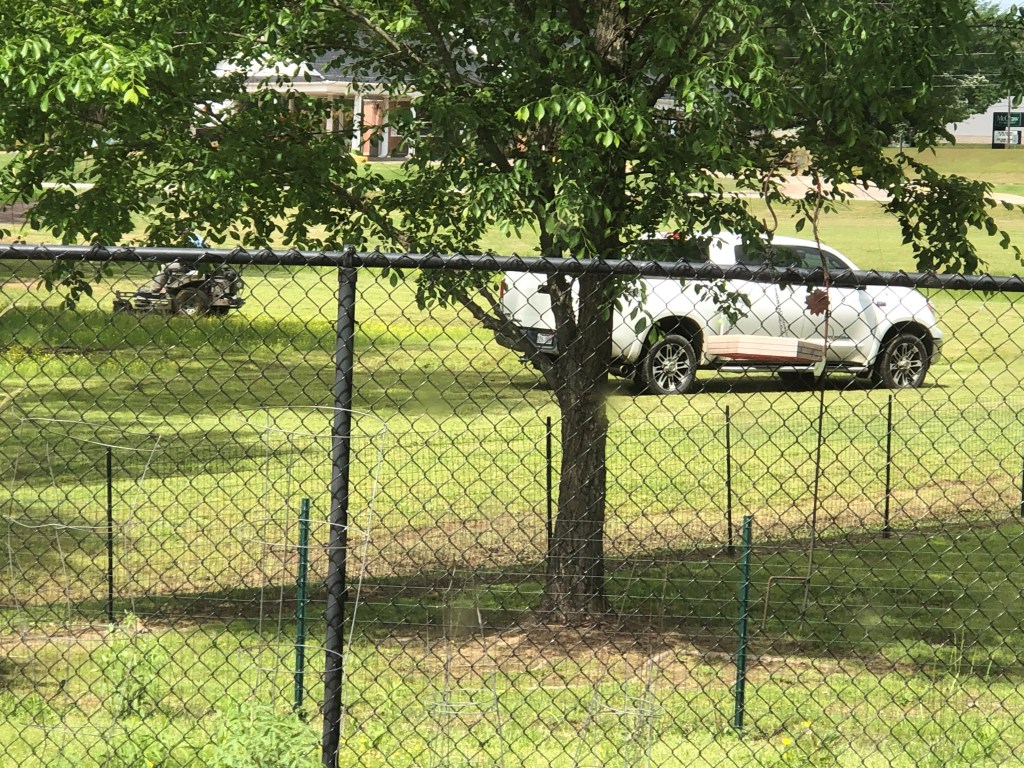
We were expecting rain today, so my plan was to get out this morning to do some yard work.  I had spread the weed and feed yesterday evening and wanted to get in some weeding, along with my first “official” mow.  I say official because the two previous mows were at the highest setting and then only done to mulch the weeds I had pulled from the beds.  I decided to rake the leaves that had collected along my fence from last fall into the yard and mow them as well.  After I had mowed the weeds, leaves, and grass I stepped back to admire my handiwork.  My lawn does not need to be immaculate, just better than my neighbor’s (ha ha).

I also planned to start the process of preparing the containers.  Last year I had toyed with a container garden and have decided to try my luck again.  I say toyed because while some of the plants did well, most were a flop.  I pulled out the weeds that had begun to grow in the pots, turned the soil, and added more soil to the containers.  Three of the buckets were so old and brittle that they shattered when I tried to pick them up.  That meant I had extra soil to fill the other pots.  My plan this year is to put more soil in the pots and to keep them fertilized.  I also moved them away from the bird feeders I had installed last summer.  The seed the birds have been throwing out of the feeders was getting into the containers.  I would prefer to not grow a crop of millet.

My plan had been to tear out the strawberries I planted twice along the back patio.  The first time all three plants died.  When I replanted three more plants, I did get several flowers, but only two or three berries, and those never ripened.  I put straw around the plants last year but basically abandoned them after they failed to produce.  Over the winter my plants not only survived but began to thrive.  They spread out over much of the planter bed and are now covered with flowers and the beginnings of small berries.  I had intended to plant the whole bed with the potatoes that did do well.  I guess I will give the strawberries another chance.

Thoughts:  It turned out my plan worked well.  When I finished with the yard and planters, I went to the dentist to get my new cap.  It started raining while I was being worked on.  That means the weed and feed will get rinsed into the soil and start to work.  It also clears any debris and gives the lawn a fresh look.   I always like it when my plan works.  The current administration had a modest plan for vaccine distribution of 1 million shots a day.  The 1 million shots a day were reached by the end of January, and last Saturday vaccinations hit a seven-day average of over 3 million a day.  It seems to work better when you have a plan for both distribution and vaccinations.  Now we need to make sure the shots are getting to the essential workers who keep us going.  Follow the science.  Do the work.  Change is coming and it starts with you.

Time

April 06, 2021

I have mentioned before what a hard time I have had trying to grow a Christmas cactus.  I have purchased a plant four of five times around the holiday.  They always had good blooms in the store which would last for several weeks and then the blooms would fall off and the plant would die.  I finally gave up, admitting I did not have the insight or time to care for them.  When Melissa bought several varieties of the species they behaved similarly, producing wonderful blooms over the holidays.  Like mine, the blooms fell off and the plant began to die.  The difference was Melissa knew how to revive them by taking the stems off the original plant, allowing them to create epiphytic roots (air roots), and then planting them in another pot.   Now they have all reset and are growing well.

The Christmas cactus (Schlumbergera x buckleyi) do not live in the hot, arid environments common to many cacti.  Instead, they are native to the tropical rainforests of southern Brazil, where they grow on tree branches and thrive in the high humidity, dappled sunlight, and warm temperatures.  That means these plants need to be treated differently than other cacti.  They need to be watered regularly, but still avoid keeping the roots too wet.  There are three main types of “holiday” cacti: the Easter cactus (S. gaertneri), Thanksgiving cactus (S. truncata), and Christmas cactus (S. x buckleyi).  Each typically blooms closest to the time of the holiday it is named after.  Most “Christmas cacti” sold today are Thanksgiving cacti, which tend to bloom from November through February.  They bloom early and keep their blooms throughout the holidays.  Most do not know the difference, and they pass unnoticed as Christmas cacti.   

The aerial roots that the holiday cactus grow naturally help attach the plant to the branches in their native habitat.  This is not a parasite species, because it does not depend on the tree for food and water.  The aerial roots let the plant reach sunlight and absorb necessary moisture and nutrients from leaves, humus, and other plant debris that surround the plant.  Melissa told me she has two of the three varieties of holiday cactus, the Thanksgiving, and the Christmas.  She also has both the red and white varieties of the Christmas cactus.  That means next year we should have holiday cactus flowering in the house throughout most of the winter.  Perhaps had I had the insight or time, mine would still be alive.

Thoughts:  One of Melissa’s transplanted cactus has decided it is time to bloom this week.  However, there is only one bloom rather than the entire plant.  I was told this is called a “one-off” bloom.  When I looked the term up in Merriam-Webster I found it refers to anything “limited to a single time, occasion, or instance.”  This is a British expression that is creeping into American usage recently.  It originally comes from manufacturing and foundry work where items were cast using a pattern.  A one-off meant the mold was only used once, as with a prototype.  It seems ne branch of the cactus decided this was the right time to bloom.  It is also the right time for the people of America to decide it is not a good thing to lead the countries of the world in the number of covid-19 deaths.  The current administration has made a commitment to make the change.  Now the people need to do the same.  Follow the science.  Change is coming and it starts with you.

Surprise

April 05, 2021

Last weekend Melissa and I decided it was time to take a break from the busy activity of the week and go for a drive.  I had been preparing for all the events associated with Holy Week, Easter, and Egg Hunts.  Melissa does not get time off as she works for a bank.  Now that she is feeling better, she has begun to put time back into succulent care.  That and cleaning up the front beds means we had been focused.  We needed a break and hopped into the convertible to go for a drive.  The first stop had to be Sonic for a much deserved(?) sundae.  While we do not do much desert, an occasional sundae does hit the spot.   Then we took off down Highway 10 with nowhere in particular in mind.  We were hoping for a surprise.

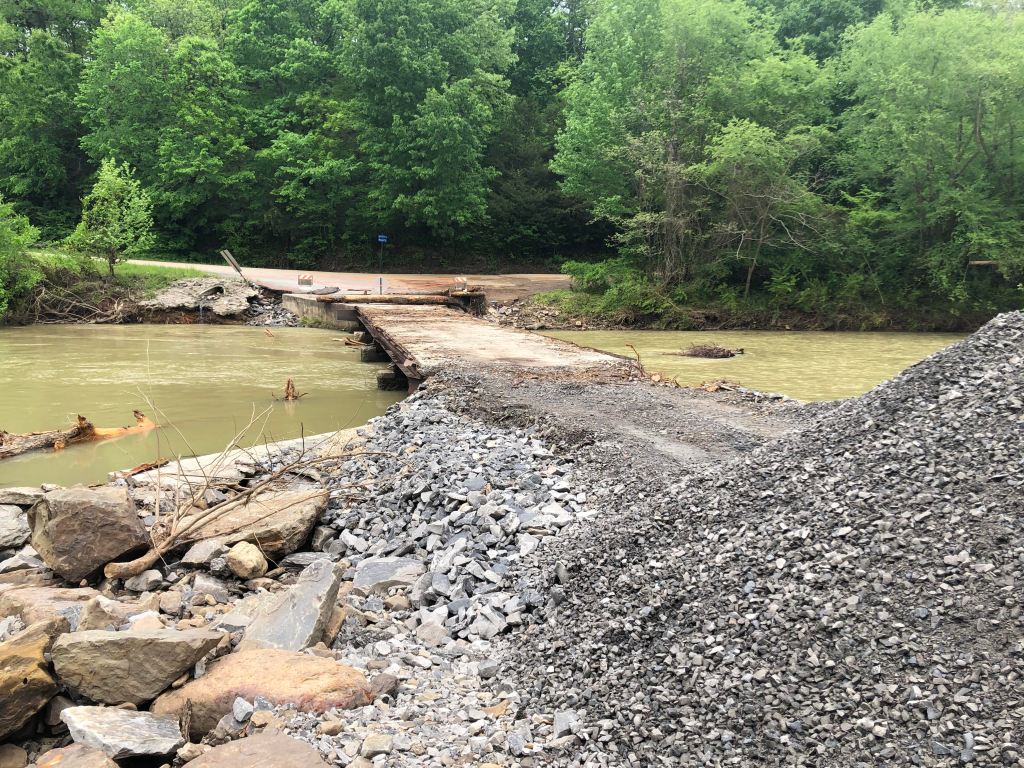
As we drove along, I saw a sign pointing to “Paris.”  Since I have always wanted to go to Paris and even took a try at learning French, I steered the car in that direction.  The weather was nice and a good day to drive with the top down.  As we neared Paris, we got a surprise as we came to the reservoir and the tailwater that passed under a bridge going into town.  We stopped and noted what a good location this might be for a future fly-fishing venture.  The stream was open, appeared walkable, and had several good holes in the two hundred yards leading back to the reservoir.  I always take my poles when I am in the Jeep but had not transferred them to the Benz or I would have tried a fly or two.  I reminded myself this day was about the surprise, not fishing.

As we turned back toward home we passed through Paris and about three miles out of town found the Cowie Wine Cellars.  I had just seen a segment about the “Capel of the Bells” on TV, and this was it.  The winery offers tours and tastings (just closed), as well as a tiny chapel.  Having lived near Napa Valley in California, it was a surprise to find a winery in Arkansas.  The associated museum is touted as the only wine museum in the United States dedicated to preserving the wine history of a complete state (Arkansas) and its 150 wineries (another surprise).  The most impressive part for me was the 26 large bells hung in four towers next to the chapel.  When I visited their web site, I found they have over 60 bells in total, and many are available for sell.  The great thing about going for a drive is the surprise you find on the way.

Thoughts:  One of our family traditions growing up was the “Happy Surprise.”  Although these had been planned by my dad, it was always sprung on us kids.  Although the destinations varied, it always began as we piled into the car for a drive.  We would often go to Clarence’s, or my grandfather’s farm.  It took me awhile to learn that Clarence was his first name, not grandpa.  Other times we would just drive the four blocks to the Dairy Queen.  This kept the element of surprise in the drive.  While a Happy Surprise is a good thing, getting a surprise by not paying attention is not.  Our country continues to ignore the plight of the lowest 20% economically.  In my state this is the nearly 20% living in poverty, and we are only ranked fourth.  Mississippi tops the list with a 24% poverty rate.  Nationally, over 10% of people live in poverty in what we claim to be the wealthiest country in the world.  It is time for change.  Do the work.  Change is coming and it starts with you.
Overwhelmed

April 03, 2021

Yesterday was a Friday, the sun was shining, and the temperature rose into the mid 60’sF.  That made for a great day to go outside and get things done.  I mentioned that I had gotten my second vaccine shot earlier in the week, and on Friday Melissa got her first.  That means in about three weeks we will both be in the new “low risk” category if we decide to travel.  As the news on travel was announced the accompanying backdrop of the airport showed long lines of people crowded together or milling together in close proximity.  I was glad that at least as a federal travel location they were still mandated to wear their masks.  Still, the thought of jumping into this unknown mix of people overwhelmed me.  If we travel, we will probably decide to drive.

I followed through on getting new seed for my feeders that I mentioned yesterday.  While I have a variety of places where I buy seed, I wanted to get the weed and feed for the lawn and mulch for the flower beds, so I decided to go to the hardware store.  The governor has lifted the mandatory mask requirement as of Thursday, so I was not surprised to see only half of the customers or staff were wearing one.  This is despite the CDC, Fauchi, and Biden saying if we would keep wearing the masks, we could have the spread under control for a proper Independence Day.  Instead, after falling for more than two straight months the tide was overwhelmed by the recent openings.  The average number of daily covid-19 cases across the US has begun to rise again.  The group who seems hardest hit are aged 25 to 50.  That may be as few have been vaccinated, or perhaps because many of this age refuse to mask or social distance.

After getting the seed and lawn care products I needed I went home and put them to use.  The feeders were still filled so I just put the seed on the back porch.  Then I decided to tackle the weed beds out front that I had been avoiding.  As suspected when I took off the ground cover the succulent bed was overwhelmed by weeds.  Melissa came out and we got to work clearing the weeds from both beds along the front of the house.  Then I laid down three bags of mulch on the flower bed.  I had an extra bag of rock pebbles that we use on the succulent beds and I put that on the two beds along the driveway.  That gave me just enough time to do a quick mow of the weeds thrown in the yard from the beds we weeded.  While the jobs were not complete, I felt good about what we had accomplished.      

Thoughts:  As the day started yesterday, I was feeling overwhelmed with the amount of work I needed to do.  After my noon broadcast, we went to Fort Smith for Melissa, picked up supplies at the hardware, and began to tackle the yard.  I was surprised how easily the day went after I had planned it out and began mentally checking off the items being completed.  While I did not get everything done, I got enough finished that I felt good about what I did.  I have been participating in several studies on anti-racism over the last year and have found a consistent message, you need to start.  While the amount of work makes me feel overwhelmed, nothing will change if I do not start the work.  While I do not expect this to be easy, doing the work of making changes in me may help others also see the need to change.  We are all in this together.  Do the work.  Change is coming and it starts with you.

Discoveries

April 02, 2021

The birds have been tearing through the feeders as they prepare for spring nesting.  I have been needing to fill my feeders on an almost daily basis.  I say almost because I admit there are days when I just do not go out and check to see if they have food.  The three seed feeders are flat and placed high so the only way I see if they have seed is when the squirrels (yes, we now have three) jump to the fence and make the feeder swing.  Instead, I gauge activity on the thistle feeder and the corn level in the squirrel feeder (which the squirrels rarely use).  Since the corn level was low, I decided I needed to refill the feeders.

When I got outside, I made two discoveries.  The first was that the reason the corn level was low was because the birds (got to be the jays, right?) had picked all the larger pieces of corn out of the feeder and thrown it on the ground, which I find aggravating.  When I looked up online to see why they do this I found the likely reason is because they are rejecting poor quality food in search of something better (size, difficulty to crack?).  The other reason mentioned was that I might be using the wrong type of food in my feeder.  While that may be the case, the feeder is not designed for birds.  It is made for squirrels and I use a prescribed squirrel mix of corn, sunflower seed, and peanuts.  Maybe I should post a sign explaining this to the birds.   

The other discovery was that I found my sunglasses.  I had lost my glasses several weeks ago and looked for all over the house and car for several days.  I lose my sunglasses on a regular basis.   That is why I tend to buy $5 pairs at the grocery.  I had this pair for a while and really liked them.  I had to break out an expensive pair of fishing glasses Melissa purchased as a gift a year ago.  When I went out this morning, I found my cheap pair laying under one of my feeders.  While this was an area that had other implements around it on the ground, the glasses were lying in plain sight.  Perhaps I did not see them because of their camouflage design.  I doubt it however, because it is hard to match camo cement.

Thoughts:  I have decided to move the squirrel feeder to a location further away from the bird feeders and place a tray underneath it to catch the corn that is thrown out.  I am also going to look for another mix of squirrel food.  Hopefully one of these three measures will help.  I find it interesting that while I used to spend hours trying to keep squirrels out of my feeders, I now spend the same time finding ways to feed them.  The squirrels and their behavior did not change, but my attitude about them did.  We can choose to make conscious choices about actions that were previously done subconsciously.  We can choose to associate with people different than ourselves.  We can choose to see people as individuals rather than groups.  We can choose to acknowledge that even though looks or actions may be different, that does not mean bad.  Do the work.  Change is coming and it starts with you.
Second

April 01, 2021

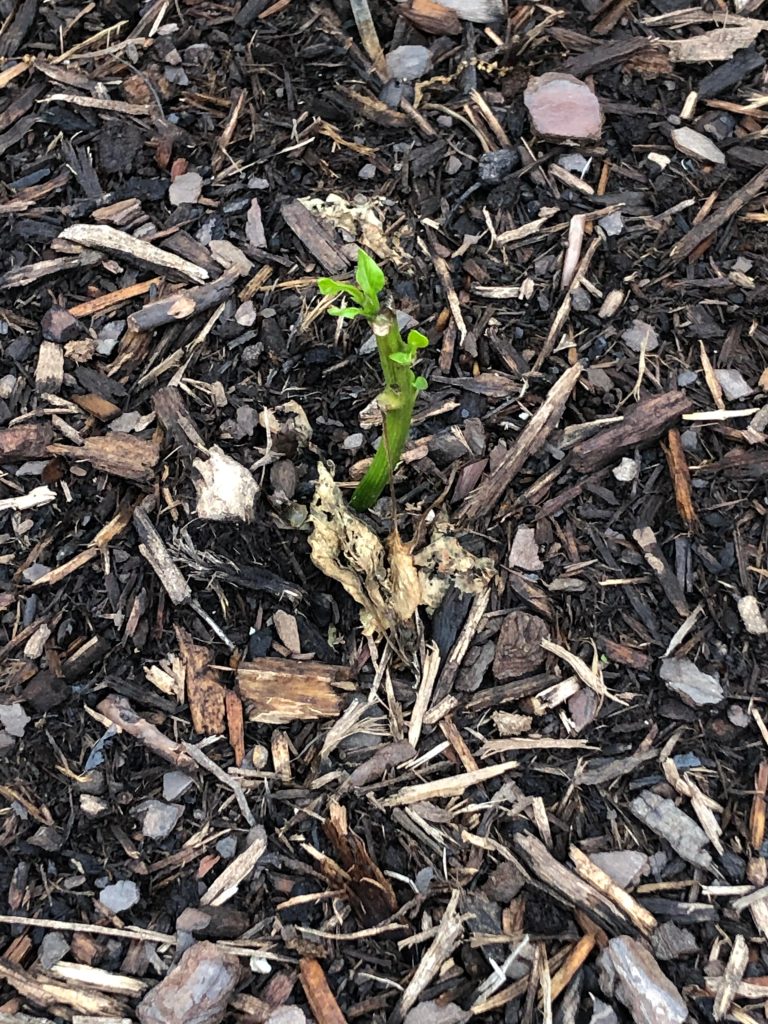
I grew up in an era when you either won or lost.  Trophies were awarded to first or second place and medals tended to be given to the top three finishers.  That began to slip after I got out of competition and stretched out to the top six finishers in running and similar competitions.  Now it has become the norm to provide participation trophies to everyone who competes, win, or lose.  While I do think it is important to acknowledge everyone who succeeded in completing a race or completion, I believe it is just as important to recognize the effort it takes for those who win.  That is why they call it competition.

I remember during the late 1970’s and 1980’s when they started breaking runners into age groups to award medals.  My dad once raced in a local competition when he finished second in his age class behind the track great Jim Ryun.  Ryun is an American Olympic track and field athlete, who at his peak was widely considered the world’s top middle-distance runner.  He won a silver medal in the 1500 m at the 1968 Summer Olympics and was the first high school athlete to run a mile in under four minutes.  He is the last American to hold the world record in the mile run.  My dad received the second-place medal in the 60+ division.  He always admitted as impressive as this sounds, there were only two entrants in that age group.

Psychologists say the biggest argument against participation trophies is that they are a form of protection.  We hand out trophies to kids, no matter how poorly they perform, so they do not feel bad about losing.  That means they never get the chance to experience failure, or to learn from it.  They grow up feeling entitled to rewards for simply showing up.  The best defense of participation trophies is the evidence in child psychology reveals the overwhelming benefits of positive reinforcement in young children.  Giving children a reward for their efforts is great because it shows them the value of being present, working hard, and contributing to a team.  They are shown how good it is to be reliable, and how important the effort of every person is, no matter if it leads to a victory or a loss.  Personally, I am disappointed when someone calls my effort a moral victory when I came in second.

Thoughts:  Despite my feelings about being second, I admit that I was happy to receive my second shot of the vaccine this week.  I had heard the symptoms would magnify with the second shot, but they did not with me.  I had less side effects with the second shot than I did with the first.  Perhaps what we need to emphasize is that regardless of whether you win or lose by getting the shot, you are being rewarded for participating.  Your participation also protects those around you.  Follow the science.  Change is coming and it starts with you.

Mockingbird

March 31, 2021

The Mockingbird and the Cardinals have been fighting over the snowball bush in our front yard for the last two months.  The Mockingbird had claimed the bush for a nest last year, but several male Cardinals have been trying to take over this spring whenever he is not on the bush.  Now the bush has begun to leaf out and the Mockingbird has decided to force his claim.  I would rather the Cardinals took the bush as last year the Mockingbird mercilessly dive-bombed Bella whenever she went out to the front year.  It would also attack Melissa and me, often coming from out of nowhere and making several quick passes before it flew off to the roof.  I had removed the nest during the winter but to no avail.

Mockingbirds are a group of New World passerine (perching or songbird) birds from the family Mimidae.  They are best known for the habit of mimicking the songs of other birds, as well as sounds of insects and amphibians.  There are a total of 17 species in two genera, although three species of mockingbird from the Galapagos Islands were formerly separated into a third genus, Nesomimus.  The only mockingbird commonly found in North America is the Northern Mockingbird.  I guess I should be glad there is only one species to take over my yard.

The other problem I had with the Mockingbird was it would steal nesting material from the flowers we hung from the hooks in the porch overhang.  We also came out the front door several times and the bird would scare out of the cactus containers Melissa placed outside for air and sun.  Apparently, these offered enough protection to shield the young birds.  I guess at least the cactus kept the cats from climbing up the racks.  Now that it is warmer the racks and containers are once more out on the porch (hopefully they will make it during the cold this week).  Since the Mockingbird seems to have won the nesting battle, I have more dive bombing to look forward to this year.

Thoughts:  The Northern Mockingbird (Mimus polyglottos) derives its name from the Greek word polyglottos which means ‘multiple languages’.  Mockingbirds are known for singing late at night, even past midnight, and they do this loudly and in rapid succession.  I have found it interesting that I have never heard the birds in my yard sing, despite the bluebird and mockingbird pairs that have nested the last three years.  Melissa tells me she does her their songs.  Maybe I just do not pay attention.  I am not the only one not paying attention.  Our elected officials have not paid attention to the voters following the last election.  Our authorities have not paid attention to the pain being felt by BIPOC.  The states do not pay attention as cases rise and businesses open.  Paying attention is important.  Otherwise, a Mockingbird might dive-bomb you.  Do the work.  Follow the science.  Change is coming and it starts with you.