Garbage Patch

December 17, 2025

When I opened my MSN browser this morning I found an article on life flourishing in the open ocean.  This is a mix of natural, surface-dwelling ocean creatures and resilient coastal species that use floating plastic as rafts to colonize the open sea, forming new (artificial) ecosystems even as they face dangers from entanglement, plastic ingestion, and toxic contamination.  This biological hotspot is also an ecological nightmare as the plastics disrupt feeding, growth, and development of other marine animals.  Life on the plastics includes coastal species like barnacles (subphylum Crustacea), bryozoans (Phylum Bryozoa), anemones (class Anthozoa), and crustaceans (Subphylum Crustacea) that were carried from home by currents from the 2011 Japan tsunami.  Open-Ocean species like violet snails (Janthina exigua) and blue button jellies (Phylum Ctenophora) also thrive using floating plastic for shelter and feeding.  The non-biodegradable plastics allow these diverse communities to form and even reproduce, bringing life to the Great Pacific Garbage Patch

When I went online, I found the Great Pacific Garbage Patch, or Pacific trash vortex, is a spiral (gyre) of marine debris particles in the central North Pacific Ocean.  The patch is located roughly from 135°W to 155°W and 35°N to 42°N and originates from the Pacific Rim, including countries in Asia, North America, and South America.  Despite the common perception of the patch as giant islands of floating garbage, it is of low density (4 particles per 3.1 yd2 or 1 m2) which prevents its detection by satellite imagery or boaters or divers in the area.  The patch is a widely dispersed area consisting primarily of suspended “fingernail-sized or smaller” (often microscopic) particles (microplastics) in the upper water column.  Researchers from The Ocean Cleanup project claimed the patch covers 620,000 square miles (1.6 million km2) and consists of 50,000 to 142,000 tons (45,000 to129,000 metric tons) of plastic as of 2018 and has grown to twice the size of Texas.  By 2024, the group had removed more than 1 million pounds (453592 kg) of trash from the Patch.

Rehabilitating the Garbage Patch poses a significant challenge due to its immense size and location far from any country’s coastline, making it difficult for any nation to bear the financial responsibility for cleanup.  Various international organizations have pledged to stop the growth of the Garbage Patch.  Charles Moore (who initially uncovered the patch in 1997) is actively involved in raising awareness through the Algalita Marine Research Foundation.  The Ocean Cleanup, led by Boyan Slat, aims to eliminate 90% of ocean plastic pollution by 2040.  The organization is developing technology to extract plastic from the oceans and intercept it in rivers before it reaches the sea.  Their approach is to concentrate the plastic in “artificial coastlines” before collecting and removing it with a long U-shaped barrier that directs the plastic towards a retention zone.  The group’s collection exceeds hundreds of tons (90+ metric tons) and continues to grow.  While microplastics dominate the patch, 92% of the mass consists of larger objects like plastic lighters, toothbrushes, water bottles, pens, baby bottles, cell phones, and plastic bags.  The patch contains around 6 pounds (2.7 kg) of plastic for every pound (0.45 kg) of plankton.  A similar patch of floating plastic is found in the Atlantic called the North Atlantic garbage patch.

THOUGHTS: As plastics are being removed from the Garbage Patch the question remains about the life that exists there.  A team of scientists found almost every piece of plastic removed was carrying (mostly invertebrate) life.  On average, each plastic item carried about 4 to 5 different species and nets and ropes tended to have especially dense communities.  Nature seems to adapt to humans’ worst levels of pollution.  Act for all.  Change is coming and it starts with you.
Locks

November 27, 2025

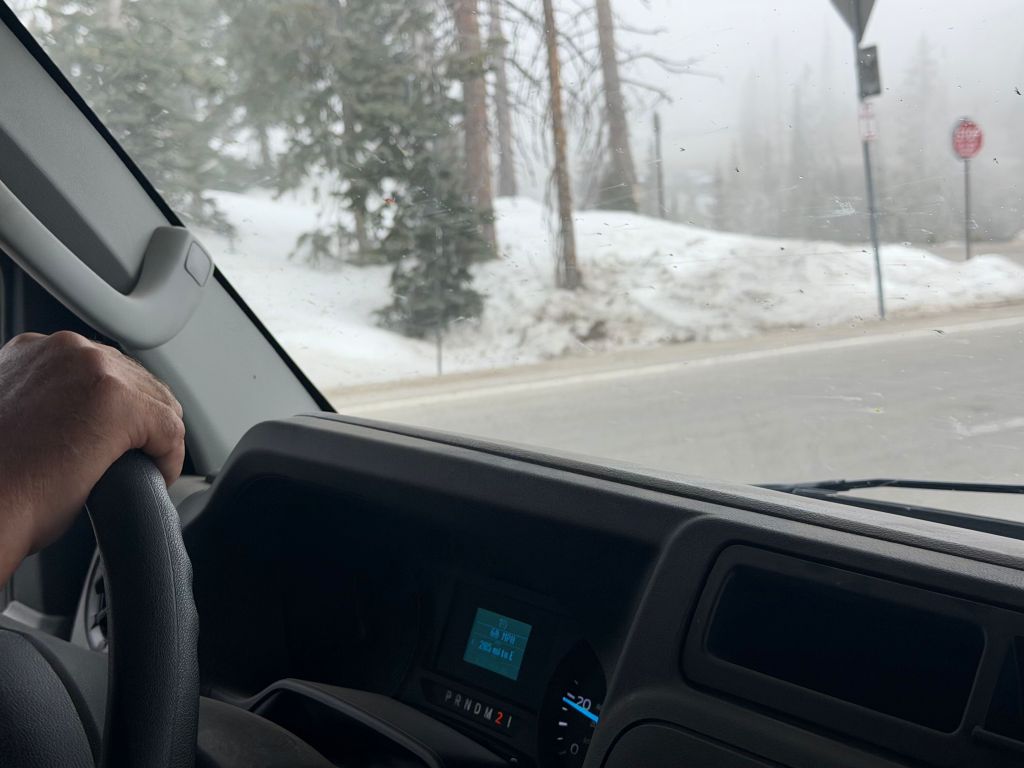
One of the smarter things Melissa and I did on our Danube River trip was to fly into Budapest several days prior to our embarkation date.  Still, we were not prepared for the toll the trip would have.  We were both so exhausted that we struggled to make it through our first dinner and suffered cramps the first two nights from being on the plane (not moving enough).  Our embarkation point was close to our hotel but did not relish the thought of dragging our luggage along the banks of the river.  We were able to secure the hotel car (for a small fee) to drop us in front of the ship on Tuesday.  The next two days were spent exploring the sights of Buda, the hilly south side, and Pest, the flat north side of the river.  I had exchanged 50 Euros into 17,450 Forint thinking there would be shops who would not take foreign currency but everywhere took both Euro and credit cards.  Since Forint is not excepted anywhere but Hungary, the maid and guides were tipped with Forint.  On the last day in town, I took a final walk to the Christmas market to spend my last 2000 Forint (5.26 Euro).  I watched from the sundeck as we pulled out marveling at the breadth and power of the Daube.  It was hard to fathom that tomorrow we would pass through several locks that would raise the ship 60 feet (18.3 m).

When I went online, I found the Danube has a series of locks to allow river passage associated with the 18 river power plants (from Kelheim to Sulina) that generate energy from the dams.  These locks are of either one (4) or two (14) chambers that can allow simultaneous locking of vessels travelling upstream and downstream.  The steep gradient of the Upper Danube (Kelheim and Gönyu) has 16 power plants with locks, while the Middle and Lower Danube has only 2 locks situated at the Iron Gates, a gorge forged by the Danube through the Carpathians, which forms the border between Romania and Serbia.  The Iron Gate locks are also the largest on the Danube.  Iron Gate I (river km 942.90) and Iron Gate II (river km 863.70/ 862.85) each have two lock chambers which are 1017 feet (310 m) long and 111.5 feet (34 m) wide, located on the right bank and the left bank.  The lock chambers on the right bank (Djerdap I and II) are maintained and run by Serbia, while those on the left bank (Portile de Fier I and II) are maintained and run by Romania.

When I woke up this morning, I opened the curtains of our stateroom and was surprised to see the banks of the Danube only 20 yards (18 m) away as this was such a contrast to the massive river channel we had left in Buda pest.  While the banks did widen some as we continued upstream, they never reached the distance of the previous night.  When we arrived at the first lock (Gabclkovo) we squeezed into an area 111.5 feet (34 m) wide and 902 feet (275 m) long.  We were nearly pressed against the side of the lock, with a wide berth on the right hand (starboard).  Once we began to rise, a new friend and I went to the observation deck to watch the process.  That was when I saw another small cruise ship situated beside and slightly behind our larger craft.  At least now our proximity to the side of the lock made sense.  As the lock opened, we sailed into the Dunajsky canal that connected us back to the river.  We were on our way to our second destination city of Bratislava.

THOUGHTS: Locks are designed for boats and not for migratory fish and can act as a barrier to migratory fish.  The lock can also be modified by adapting operation protocols to guide fish through a lock with a series of controlled water-level changes that mimic a fish lift.  The effectiveness of an adapted lock depends on sufficient attraction flow and careful timing to ensure fish enter and move upstream successfully.  Under standard operation, the area near the lock is calm, making it difficult for fish to find the entrance, and less than 1.5% of fish may use the lock.  The impact on ecosystems along the Danube has been partially mitigated through various national and international agreements and national parks.  It takes planning.  Act for all.  Change is coming and it starts with you.
PS: For my American followers, Happy Thanksgiving!

Seed Bank

November 21, 2025

Today’s NYT The Morning scroll included a link to photos and an article from Times photographer Ruth Fremson about an island used to gather seeds to replace parts of the deforested Amazon forest.  The Brazilian government built a hydroelectric dam fifty years ago and flooded 100s of 1,000s of acres of rainforest along the Tocantins River and transforming a mountainous peak into an island.  That island now supplies seeds to replenish deforested areas and preserve native species throughout the Amazon.  Workers arrive by boat and scale towering trees to reach the fruit that contains the seeds which are then donated to schools, government agencies, and farmers.  The owner of the dam, AXIA Energia, said it compensated the 32,000 people displaced by the project and uses the seed bank to replenish areas throughout the Amazon.  Workers gathered almost nine million seeds last year and are on pace to far exceed that amount this year.  Their seed bank stores about 30 million seeds in one of three chambers (cold, humid, and dry).

When I went online, I found the worlds’ largest seed bank is the Svalbard Global Seed Vault, a secure backup facility for the world’s crop diversity on the Norwegian island of Spitsbergen in the remote Arctic Svalbard archipelago.  The vault provides long-term storage for duplicates of seeds from around the world, conserved in gene banks.  This provides security of the world’s food supply against the loss of seeds in gene banks due to mismanagement, accident, equipment failures, funding cuts, war, sabotage, disease, and natural disasters.  The vault is managed under terms spelled out in a tripartite agreement among the Norwegian government, the Crop Trust, and the Nordic Genetic Resource Center (NordGen).  The Norwegian government entirely funded the Seed Vault’s KR$45 million (US$8.8 million in 2008) construction cost.  Norway and the Crop Trust pay for operational costs and storing seeds in the vault is free to depositors.  As of June 2025, the seed bank conserves 1,355,591 accessions, representing more than 13,000 years of agricultural history.

Another Amazon Basin living seed bank is located at Camino Verde in the richly biodiverse region of Madre de Dios in Peru.  This resource grows over 400 species of native trees and plants, and some with often incredible properties little-known to science.  Camino Verde sits alongside the Tambopata River, whose basin is one of the richest ecological areas on the planet.  It is home to native (endemic) species of birds, reptiles, and mammals, along with at least 1,255 plant species.  However, the unique biodiversity of this region has been disappearing over the past decades.  In 2020, Peru recorded its highest levels of deforestation in history, with a total of 502,296 acres (203,272 ha) of Amazonian forest lost due largely to logging and mining.  Since 2001, almost 741,3161 acres (3 million ha) have been deforested.  Similar deforestation is taking place across the tropics both legally and illegally.

THOUGHTS: I do not have a seed bank, but Melissa did buy me several 100 packets of seed two Christmases ago.  I used several varieties that first year and then replanted some of the leftover seeds again this year.  Most seed packets state the year of intended use and many also list minimum germination standards and usual seed life.  Seeds that have been stored in a cool, dry place are generally viable for at least a year past the season for which they were packaged and may be good for up to five years.  I realize I do not have the perfect conditions required for a seed bank, but I was surprised by how many of the seeds were not viable.  My “survival seed packets” are still sealed in airtight packaging intended to keep them viable for longer periods.  The oldest viable seed ever planted and successfully grown is a 32,000-year-old narrow-leafed campion (Silene stenophylla) found in the Siberian permafrost. Preserving seeds for the next year is another step toward being sustainable.  Act for all.  Change is coming and it starts with you.
Lady Beetle

November 20, 2025

Last week Melissa and I were in a wooded area along the Arkansas River when we were inundated by flying insects.  Many species overwinter as adults sheltering in culverts, under bridges, or cavities in trees.  In the spring they will wake up and get along with starting the next generation.  Other than the short cold snap last week, we have been having nice weather this fall so these fliers may not have even begun the process.  Hibernating adults are also known to come out on unseasonably warm days.  The temperature was uncommonly warm (high 70’sF/25+C) so it would not have surprised me to find some insects buzzing around, these were literally everywhere.  I do not believe I have ever seen so many Asian lady beetle in one place.

When I went online, I found a lady beetle or ladybird (Harmonia axyridis) is a species commonly known as the harlequin, Asian, or multicolored Asian lady beetle.  This is one of the most variable lady beetle species in the world with a wide range of color forms.  The species is native to eastern Asia and has been artificially introduced to North America and Europe to control aphids (family Aphididae) and scale insects (Superfamily, Coccoidea).  It is now common and spreading in those regions and has also been established in Africa and across South America.  Individuals are beetles in shape and structure, being domed and having a “smooth” transition between their wing coverings (elytra), thorax (pronotum), and head.  It ranges from 0.22 to 0.34 inches (5.5 to 8.5 mm) in size.  The common color form is orange or red with 0 to 22 black spots of variable size.  The bright color makes the species conspicuous in North America and may be known locally as the Halloween beetle as they often invade homes during October to overwinter.

The Asian lady beetle is considered one of the world’s most invasive insects, due in part to their tendency to overwinter indoors.  They have an unpleasant odor and stain left by their bodily fluids when frightened or crushed, along with a tendency to bite humans.  In Europe they are increasing to the detriment of indigenous species as its voracious appetite enables it to outcompete (and consume) other ladybugs.  The Asian is highly resistant to diseases and carries a microsporidian parasite (it is immune) that can kill other lady beetle species.  Native ladybug species often experience dramatic declines from the invaders.  They were declared the fastest-invading species in the UK in 2015, spreading throughout the country after the first confirmed sighting in 2004.  The Asian lady beetle has been reported to be a minor agricultural pest that has been inadvertently harvested with crops in Iowa, Ohio, New York State, and Ontario.  This causes a detectable and distinctly unpleasant taste known as “lady beetle taint”.  The contamination of grapes by the beetle has also been found to alter the taste of wine.

THOUGHTS: Various methods of control have been tried where the Asian lady beetle has been introduced, causing a threat to native species, biodiversity, and to the grape industry.  These include insecticides, trapping, removal of beetles, and mechanically preventing entry to buildings.  The best methods for dealing with the Asian lady beetle in private homes involve sealing openings they enter and sweeping or vacuuming if they are inside.  Placing a nylon stocking inside the vacuum cleaner’s hose and securing it with a rubber band keeps the beetles from collecting (and being crushed) inside the machine.  Despite the dozens of beetles that landed on Melissa and me we were not bitten.  I have been bitten before and it was a sharp (but not lasting) pain.  Once again importing a species to get rid of another caused more problems than it solved.  Act for all.  Change is coming and it starts with you.
Iguana

November 11, 2025

Credit…Daniel Mulcahy

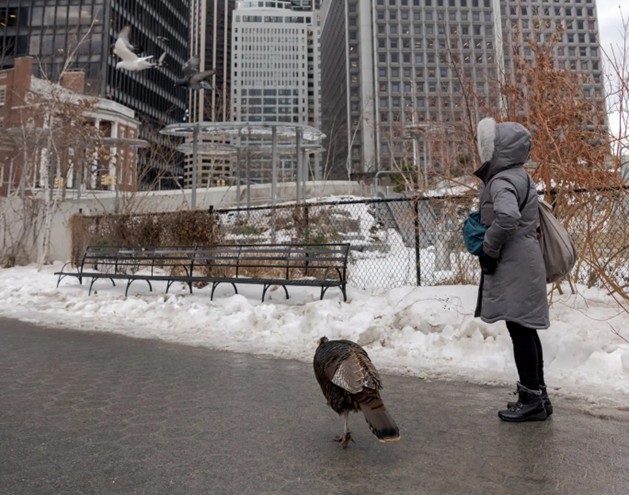
The Morning Read of the NY Times feed included an article on a possible reprieve for a previously invasive reptile species.  Biologists say DNA evidence proves the lizard landed on Clarion Island nearly half a million years ago, long before any humans might have transported them from the mainland.  Researchers reported the discovery last month in the journal Ecology and Evolution, and the finding means that the animals should be able to continue living on Clarion Island, a remote, mostly uninhabited Mexican archipelago in the Pacific Ocean.  There are around 100 iguanas there, and scientists and locals alike assumed that they had been introduced by humans in the late 20th century because they had gone unmentioned in prior accounts of the island’s fauna.  “It was all speculative that they were introduced — no one ever tested it,” said Daniel Mulcahy, an evolutionary biologist at the Museum of Natural History in Berlin who is an author of the new study.  The government was planning to exterminate the invaders to protect island’s delicate ecosystem.  Mulcahy and his colleagues compared mitochondrial DNA, passed down maternally, from the Clarion iguanas and the mainland spiny-tailed iguanas and found a 1.5 % difference in their DNA.  That meant these spiny-tailed iguana are genetically distinct and could not be recent invaders.

When I went online, I found the spiny-tailed iguana (Ctenosaura pectinata) is a species of is a species of iguanid lizard found in eastern Mexico and extreme western Guatemala.  This iguana has distinctive keeled scales on its long tail, to which its common name refers.  It is one of the larger members of the genus Ctenosaura, capable of growing to 4.3 feet (1.3 m) in total length (including tail), with females being slightly smaller than males at 3.3 feet (1.0 m).  It usually has a brown or grey-brown colored back (dorsally), with a yellowish underbelly (ventral surface).  It has a crest of long spines which extend down the center of its back.  Mating generally occurs in spring with the male showing dominance and interest by head bobbing before chasing the female until he can catch her and subdue her.  Within eight to ten weeks, the female will dig a nest and lay clutches of up to 24 eggs which hatch in 90 days with the babies digging their way out of the sand.  Hatchlings are often bright green with no body pattern and juveniles are typically green with brown markings, although all-brown hatchlings have been recorded.

Some wonder how a 4-foot (1.2 m) black-and-yellow lizard went unnoticed on Clarion Island for decades.  Clarion’s landscape has changed dramatically in recent years. The island was covered in prickly pear cactus (genus, Opuntiathat) that made exploration difficult, but was consumed by sheep (Ovis aries) and pigs (Sus domesticus) introduced by thew Mexican Navy in the 1970’s.  Those animals are gone and a shrubland community (chaparral) remains.  The iguanas are wary of humans and hide when approached.  The destruction by sheep and pigs underscores the damage invasive animals can cause.  Island ecosystems are particularly vulnerable.  Rayna Bell, an evolutionary biologist at the California Academy of Sciences said, “This type of work is fundamental to conserving some of the world’s most unique and imperiled diversity.”  Mulcahy’s colleagues are working to spread the news to government officials in Mexico to stop the eradication program.

THOUGHTS: The spiny-tail iguana is a traditional food in Mexico, listed as “Least Concern” by the IUCN Redlist, but the species is listed on the Mexican Red List as threatened and it is illegal to hunt them.  Their presence on Clarion suggests a 700-mile trip on a floating mat of vegetation.  It would be the second-longest known iguana aquatic journey, topped by another species of iguanas traveling 5,000 miles from North America to Fiji.  Humans thought the 1947 Kon-Tiki expedition was amazing.  We are always outdone by nature.  Act for all.  Change is coming and it starts with you.
Screwworm

November 10, 2025

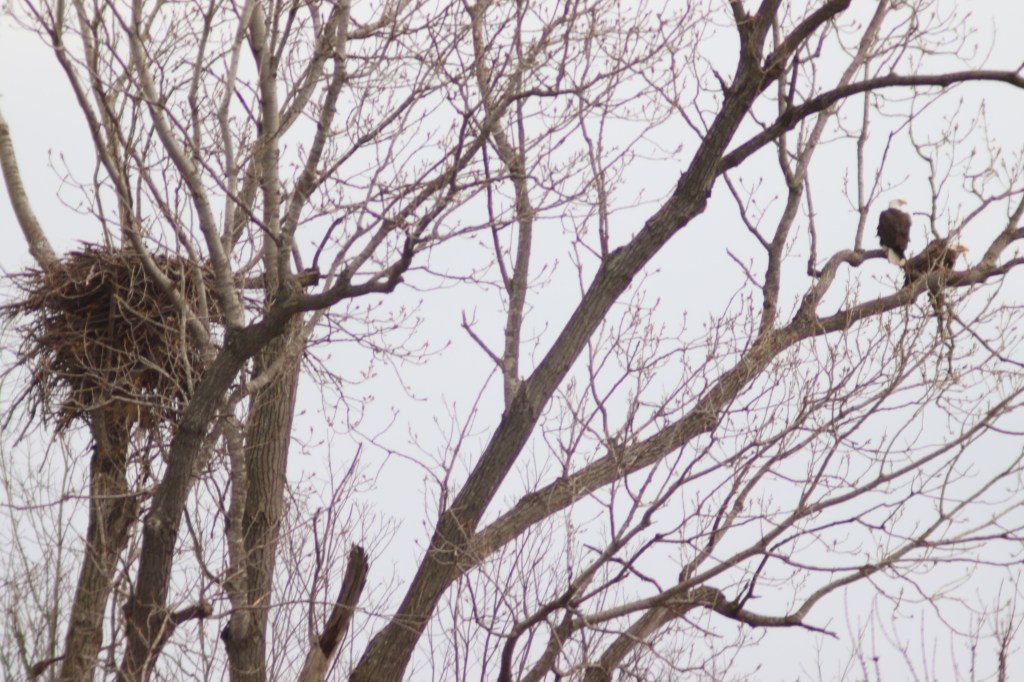
The Sunday before Halloween, the Homes section of my local newspaper ran a Reutters article detailing a new sterile fly plant added in Mexico.  In Metapa, Mexico, engineers, veterinarians, and entomologists are racing to repurpose a plant that will play a pivotal role in trying to eradicate the flesh-eating fly threatening the country’s cattle industry and raising tensions with the US.  The facility used to help control Mediterranean fruit flies, but workers are dismantling old infrastructure and rebuilding specialized laboratories designed to mimic the conditions of an animal wound.  The plant aims to be ready by July 2026 and would double the number of sterile flies Mexico can release into the wild.  The US has kept its border mostly closed to Mexican cattle imports since May 2025 and has invested US$21 million towards the US$51 million facility in Chiapas state in an effort to keep the screwworm fly out of America.

When I went online, I found the New World screwworm fly (Cochliomyia hominivorax), or simply screwworm, is a species of parasitic blowfly which is present in the New-World tropics.  The screwworm larvae (maggots) eat the living tissue of warm-blooded animals.  Of the four species of Cochliomyia, only the species hominivorax is parasitic, but a single parasitic species of Old-World screwworm fly is placed in a different genus (Chrysomya bezziana).  The maggots of many fly species eat dead flesh and may occasionally infest an old and putrid wound.  Infestation of a live vertebrate animal by the screwworm maggot (myiasis) is unusual because they attack healthy tissue, increasing the chances of infection, which then attracts more flies.  Screwworm females lay 250 to 500 eggs in the exposed flesh which hatch and burrow into the surrounding tissue as they feed.  If the wound is disturbed during this time, the larvae burrow or “screw” deeper into the flesh, giving the larva its common name.  The maggots can cause severe tissue damage or even death to the host.  About three to seven days after hatching, the larvae fall to the ground to pupate, reaching the adult stage about seven days later.  The female will mate four to five days after hatching and can lay up to 3,000 eggs and fly up to 120 miles (200 km) during her life.  Males mate up to ten times, but females mate only once and retain the male’s sperm for life, leading to the sterile eradication technique.

The screwworm was the first species to be tested with the sterile insect technique and resulted in control and systematic eradication of the species from the US, Central America, and parts of the Caribbean beginning in the 1950’s.  The US and Mexico bred and released more than 94 billion sterile flies from 1962 to 1975.  By the early 2000’s, it was considered eradicated from North America, but was detected in Mexico in 2024 and 2025, prompting renewed efforts to prevent its re-emergence.  The fly is still widespread in tropical and subtropical parts of the Caribbean and South America and animals imported from these areas must be inspected or treated to prevent the pest’s reintroduction.  Eradication efforts continued and in 1998 the first sterile flies were released in Panama with the goal of creating a barrier zone at the Darién Gap against a screwworm invasion.  This is achieved through weekly sterile screwworm releases of up to 50 million insects bred in factories and sterilized by ionizing radiation.  The bred insects must not suffer any impairment to compete with wild, fertile insects.  In September 2025, a case of New World screwworm was found in Sabinas Hidalgo, Mexico, less than 70 miles (110 km) from the US-Mexico border.

THOUGHTS: When sterile screwworm males’ mate with wild females no offspring are produced, and the population collapses over time.  Coordinator Jose Luis Quintero said, “The screwworm was eradicated once before in Mexico — it took 19 years.  We hope to do it in far less time.”  Let’s hope that is the case.  Act for all.  Change is coming and it starts with you.
Erosion

November 07, 2025

I have been going to a coffee shop to visit a friend every month or so.  I always enter from the rear of the building into the semi-outdoor seating area.  This is enclosed with glass doors that can be raised when the weather is appropriate, although I have never seen them raised.  Several years ago, they did some remodeling on the exterior to replace the concrete that backed up to the mini-mall parking lot where it was located.  The shop has an AC unit on top of the building and a downspout that channels the water off the roof and out to the street.  Over the years this has resulted in the water cutting a path from the spout to the parking lot.  When I arrived this last week, it impressed me with the power of water to cause erosion.  

When I went online, I found water erosion is the process of soil and rock being moved by water.  This erosion can be categorized into types.  Splash erosion comes from the impact of raindrops detaching soil particles.  Sheet erosion is the removal of a thin, uniform layer of soil across a slope.  Rill erosion is the small, channel-like cuts formed by runoff water.  Gully erosion is the larger, more-defined channels that develop from rills.  Stream-bank erosion is the wearing away of the banks of a stream or river.  Coastal erosion is the wearing away of land along the coastline, often caused by wave action.  This natural process shapes landscapes by carving out valleys and canyons, but human activities like deforestation and farming can accelerate it, impacting soil quality and water resources.  Techniques to control water erosion include keeping soil covered with vegetation, practicing conservation tillage, and building structures like terraces and grassed waterways.  The erosion at the coffee shop appears to be rill erosion.  I suppose if left long enough it would become gully erosion.

While erosion is a natural process, human activities have increased by 10 to 40 times the rate at which soil erosion is occurring globally.  At agriculture sites in the Appalachian Mountains, intensive farming practices have caused erosion up to 100 times the natural rate of erosion in the region.  Excessive (or accelerated) erosion causes both “onsite” and “offsite” problems.  Onsite impacts include decreases in agricultural productivity and even ecological collapse from the loss of the nutrient-rich upper soil layers and in extreme cases this can lead to desertification.  Offsite effects include sedimentation of waterways and an accumulation of nutrients (eutrophication) in a body of water.  Both can result in an increased growth of organisms that may deplete the oxygen in the water.  Intensive agriculture, deforestation, roads, anthropogenic climate change (global warming), and urban sprawl are among the most significant human activities regarding their effect on stimulating erosion.  There are also prevention and remediation practices that can curtail or limit erosion of vulnerable soils.

THOUGHTS: I recall being amazed when they had to shut down the 20-year-old spillway outlet at the reservoir where I fished in high school.  The outlet Shannel had two massive rows of 20-foot-high (6 m) concrete blocks that had suffered erosion from the water being released and were needing to be replaced.  Famous examples of water erosion include the Grand Canyon, formed by the Colorado River; the Mississippi River Delta, a large fan-shaped deposit of sediment; and Niagara Falls, which is slowly receding upstream due to erosion.  Water and wind erosion are the two primary causes of land degradation and are responsible for about 84% of degraded land globally, making excessive erosion one of the most significant environmental problems worldwide.  While erosion is a natural process, humans can choose to lessen (or increase) the effect by our actions.  It takes eons for the landscape to recover, if it does at all.  Act for all.  Change is coming and it starts with you.
Variegated

November 05, 2025

As Fall stretched into late October, I was amazed by the dozens of pollinators which still flocked to the wildflower bed in front of our house.  My guess is they are still stocking up for a flight south or survival during the long winter.  We have several coneflowers (family, Asteraceae) along with a proliferation of orange sulfur cosmos (Cosmos sulphureus).  Yesterday afternoon was bright, sunny, and in the mid-70 F’s (24 C’s) and they were still out in full force.  There were several late traveling monarch butterflies (Danaus plexippus) along with dozens of bumblebees (Genus, Bombus) flitting from flower to flower.  There was also a new arrival (at least I had not noticed) with several smaller brightly colored butterflies.  Two characteristics struck me about these Lepidoptera.  First was the speed they were traveling as they drew nectar from around the bed, the second was variegated wings.

When I went online, I found the variegated fritillary (Euptoieta claudia) is a North and South American butterfly in the family Nymphalidae.  The variegated flight is low and swift and even when collecting nectar, the species is extremely difficult to approach.  This has earned the genus name which taken from the Greek “euptoietos” meaning “easily scared”.  The wingspan of the adult variegated measures 1.75 to 2.25 inches (44 to 57 mm).  The upper side of the wings is checkered with orange and black, and both the fore and hind wings have a row of submarginal black spots and black median lines running across them.  The underside of the forewing is orange with a pale orange spot rimmed in black in the forewing cell.  The underside of the hindwing is mottled with browns and grays with a pale postmedian band.  The variegated fritillary has three very different characteristics that distinguish them from the genus of greater fritillaries (Speyeria fritillaries), but it is still closely related to them.  Variegated fritillaries have two or three broods per year (Speyeria one), are nomadic (Speyeria sedentary), and use a wide variety of host plants (Speyeria only violets). 

While the variegated fritillary is nomadic, it is not (officially) migratory like the monarch.  Instead, it overwinters in its caterpillar stage in the leaf litter, seeking shelter and entering a dormant state (diapause).  In warmer climates, adult butterflies may also overwinter.  In Arkansas the adults need to either migrate south or they will die (freeze).  Caterpillars can survive Arkansas’ winter temperatures and will emerge from their hibernation to form cocoons (pupate) in the spring.  The survival of the caterpillars (or adults farther South) depends on factors like predation, temperature, and the amount of insulation provided by leaf litter.  When weather conditions improve in the Spring the caterpillars emerge from their winter hibernation to continue their life cycle.  While I was planning on clearing the bed and scattering the seed, perhaps I should wait until new life emerges in Spring.

THOUGHTS: I can attest to the “euptoietos” nature of the variegated fritillary.  It took me 10 minutes for one to wait long enough on a flower to get a picture.  The butterflies would fly up to 30 feet (10 m) away and then dart back to seek out another flower or two before repeating the maneuver.  I find it interesting how different species have adapted to survival during the cold months of winter.  This also explains how a warm day can bring out a swam of flying insects as they emerge from their sheltered refuge.  Humans do not naturally go dormant (hibernate) because our bodies lack the necessary biological adaptations to enter a state of deep sleep with a significantly lower body temperature and metabolic rate.  The earliest evidence of controlled use of fire dates back at least 1.8 million years ago, but evidence for habitual or widespread use of fire does not become clear until around 400,000 years ago.  We rely on protective structure, clothes, or sources of heat to achieve what nature has given other species.  Act for all.  Change is coming and it starts with you.
Inversa

October 28, 2025

A USA Today article in the middle of the front section of Monday’s local newspaper highlighted a partnership between the state of Florida and a Maimi based leather manufacturer.  Governor Ron DeSantis announced the partnership on the 21st.  The decision to join in partnership was made in 2024 to remove invasive Burmese pythons (Python bivittatus) from the Florida Everglades.  In three months, this summer, 1,022 pythons were removed, compared to 343 during the same period in 2024.  The approximately 50 hunters previously contracted by the Florida Fish and Wildlife Conservation (FWC) now work for the private company, reducing their administrative burden by 89%, increasing python removal, and paying about 60% more for the harvested pythons.  DeSantis said a lot of progress had been made in python removal but “at that pace it was not enough to get where we needed to go”.  The South Florida Water Management District has its own python hunting program separate from the partnership formed between FCW and the leather maker Inversa.

When I went online, I found Inversa is a leather products company that claims to make “ethical exotics that restore nature”.  This is done by “managing” (harvesting) harmful non-native species to help revive natural ecosystems.  Invasive species are a driving force in around 60% of today’s species extinctions and cause US$423B annual damage around the planet.  Management of invasive species restores indigenous species populations by up to 70%, enhances carbon sequestration and water purification, and strengthens global environmental and human health.  Using invasive species to create leather products rather than bovine leather not only removes invasives, it also comparatively uses 99.9% less land, 95% less water, and emits 89% less greenhouse gases.  Inversa partners to create job opportunities in rural and developing economies, empowering communities to protect their ecosystems by creating new jobs in nature restoration and directly increasing local incomes.  According to their website, the company “works closely with our restoration cooperatives to ensure the stable livelihoods and humane labor conditions of all partners in ecosystem management.”

Inversa currently harvests three invasive species for leather production to protect critical habitats.  The Greater Everglades provides critical habitats for hundreds of animal species and coastal protection against flooding for Southeastern America.  Non-native pythons cause a severe decline in animal populations that keep the ecosystem in balance.  The Mississippi River Basin is an ecological lifeline for North America, supporting over 870 species of fish and wildlife.  The overpopulation of the invasive Silverfin carp harms native biodiversity, degrades water quality, and threatens community livelihoods.  The Caribbean coral reefs are biodiversity hotspots that support 42 million livelihoods and, when healthy, protect coastlines from storms and erosion.  The invasive lionfish threatens the health and stability of these already vulnerable ecosystems through its prolific predation.  Inversa produces leather shoes, belts, purses, and accessories from all three invasives.

THOUGHTS: Inversa represents the latest of a series of efforts to remove invasive species from local ecosystems.  I have previously blogged on the use of biological predators, but these are risky and can result in the cure creating their own invasions.  Others are trying to convince diners to adjust their palates to consume the invaders, but this can be a hard sale that often involves reconstituting the product into a more acceptable form.  Turning invasives into high-end leather products is a niche market (what I saw was expensive) but another good approach.  Like most solutions, reduction or removal of invasives takes a long-term concerted cooperative effort.  It is worth the time and cost.  Act for all.  Change is coming and it starts with you.
Holes

October 28, 2025

Yesterday Melissa and I were ripped awake at 4:30 am by the sound of Loki’s frantic barking.  Something outside had obviously set him off and he was sounding the alarm.  Melissa was able to quiet him down and I was able to immediately fall asleep.  Melissa was not so lucky.  Even though he was no longer sounding his alarm, both Loki and Zena continued to grumble and give little chirp barks.  Zena got up in my living room chair (her comfort zone in thunderstorms), but Loki kept running back and forth between the dining room window and the front hall for the next hour.  When I got up in the morning, I was wondering what set Loki off.  I went outside to check on my vegetables and make sure nothing had gotten into the few remaining plants in the raised beds.  I had removed the cantaloupe (Cucumis melo) vines after they had stopped producing but there are still one mature and two small watermelons (Citrullus lanatus) in the tall bed.  The tall bed is 30 inches (76 cm) and has not been targeted (yet), but raccoons (Procyon lotor) have eaten several cantaloupes in the shorter 18-inch (45.7 cm) bed in the past.  My watermelons were intact but as I walked back to the house, I noticed several dozen small holes in the lawn between the rose bush (genus, Rosa hybrid) and the wildflower (family, Primulaceae) beds.  

When I went online, I found that raccoons are one of the main animals that dig holes in your yard.  The holes are usually cone-shaped and three to four inches (7.5 to 10 cm) wide, but larger areas up to ten inches (25 cm) may occur.  The holes are created when raccoons are foraging for grubs and other insects. According to Clemson University, raccoons will peel back newly laid sod while searching for food.  Raccoons are omnivorous and eat a variety of plants and animals.  In cities and suburban areas, they dig for grubs and larval insects, eat vegetables and fruit grown in backyards, root through compost piles, steal picnic and pet food that has been left outdoors, and turn over garbage cans in search of food.  According to the University of California, these night creatures can live unnoticed for quite some time as they make their homes in hollow trees, outbuildings, brush piles, rock crevices, a raccoon burrow, crawl spaces, culverts, storm drains, attics, chimneys, or under decks.  Raccoons dig holes in lawns in search of grubs (uperfamily, Scarabaeoidea), earthworms (Lumbricus terrestris), and other insects.

Raccoons have a keen sense of smell which allows them to dig holes to find insect larvae under the grass.  The best way to keep raccoons from digging holes in your yard is to address the grub problem or using deterrents.  Treat your lawn for grubs, especially in late summer and fall, and use methods like motion-activated sprinklers or lights to scare them away.  You can also cover the lawn with netting or chicken wire to create a physical barrier and prevent digging.  You need to maintain proper lawn care, as poor watering practices can make your lawn more attractive to grubs.  If your lawn is damaged, repair it promptly.  If sod has been flipped, reposition it, water it, and consider using a root-building fertilizer to help it re-establish.  I guess it is time for my fall bug-be-gone dusting.

THOUGHTS: I was able to flip the sod on the larger holes that had been made in our yard, but I did not get the bug-be-gone down.  I told myself this would give me something to do today.  Most adult beetles in Arkansas are active in the summer and lay their eggs in the grassy areas.  The eggs hatch and the larva begin to feed on the surface of the soil for several weeks before moving deeper as the fall temps cool.  Arkansas winters are relatively mild, and summers are hot and humid, so the two treatment windows are late summer to early fall (preventive and biological control) and late spring to early summer (curative for spring-feeding pests).  Otherwise, I have holes in my yard.  Act for all.  Change is coming and it starts with you.