
October 03, 2024
Melissa and I have been trying to revamp the furniture in our living room since the day we moved into her house in Arkansas. Knowing we had a house full of furniture in Arkansas, we donated most of our furniture to the Conference Center where I had been working. While our Kansas furniture was in good shape, it was the first furniture I purchased 20 years earlier and I was ready for a change. When we moved to Arkansas the furniture was not much newer and was a style neither of us liked. We tried buying an inexpensive living room set two years ago, but it turned out to be inexpensive. Over the weekend Melissa visited a friend in northwest Arkansas and was impressed with the style and utility of the furniture she had. Needless to say, we went shopping over the weekend and came away with a sofa and chair as a replacement. That left one question, what are we going to do with the items we no longer need? We decided on repurpose by donating to Habitat for Humanity.
When I looked online, I found Habitat for Humanity International, also referred to as Habitat for Humanity or Habitat, is a US non-governmental, and tax-exempt 501(C)(3) Christian nonprofit which seeks to build affordable housing. It was founded in 1976 by Millard and Linda Fuller. The operational headquarters are located in Americus, Georgia, and the administrative headquarters are located in Atlanta. In 2023, Habitat for Humanity operated in more than 70 countries and works to help build and improve homes for low-income or disadvantaged families. Homes are built using volunteer labor, including the practice of sweat equity from the future homeowners, along with paid contractors for certain construction or infrastructure activities. Habitat makes no profit from the home sales and instead operates with financial support from individuals, philanthropic foundations, corporations, government entities, and mass media companies. While Melissa and I have worked on several houses, it is probably better known that President Jimmy Carter and Rosaland worked many more volunteer hours building Habitat houses.
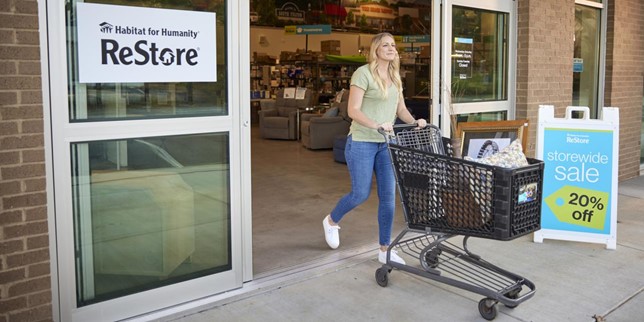
Along with building houses, Habitat ReStores accept small and large donations of new or gently used furniture, appliances, housewares, and building materials. The sale proceeds then help Habitat’s work in the local community and around the world. Items can be donated in person, and many Habitat ReStores offer free pickup of large items. We were able to donate 2 sofas, 1 recliner, and a love seat to our local ReStore. I made an appointment, and they picked up the items this morning. Unfortunately, 1 recliner did not make the cut (worn). The EPA estimates that 9 million tons of furniture are tossed every single year, or roughly 5% of everything brought to landfills. Most of the furniture going to the land fill was made within the last 10 to 15 years, according to Ashlee Piper, sustainability expert and author. Part of the problem is that today’s fast furniture is more challenging to repair because of its materials. Unlike grandma’s, these pieces are not meant to last a lifetime.
THOUGHTS: While in Berkeley I was living across the street from the Cal dorms. The students obviously did not know about Habitat and each spring term as they were kicked out for the summer their fast furniture ended up in my building’s dumpster, allowing me to upgrade every year. The price or where the item of furniture was made can be a red flag for new items. Shopping locally can increase your odds of something being made with a thoughtful production process, rather than something where the emphasis is put on producing goods as cheaply as possible. There are often good finds in secondhand stores (like Habitat) that with some minor repairs or refurbishing will make the piece feel fresh. We are not all blessed with an overflowing dumpster. Act for all. Change is coming and it starts with you.
 A travelers odyssey