
January 30, 2025
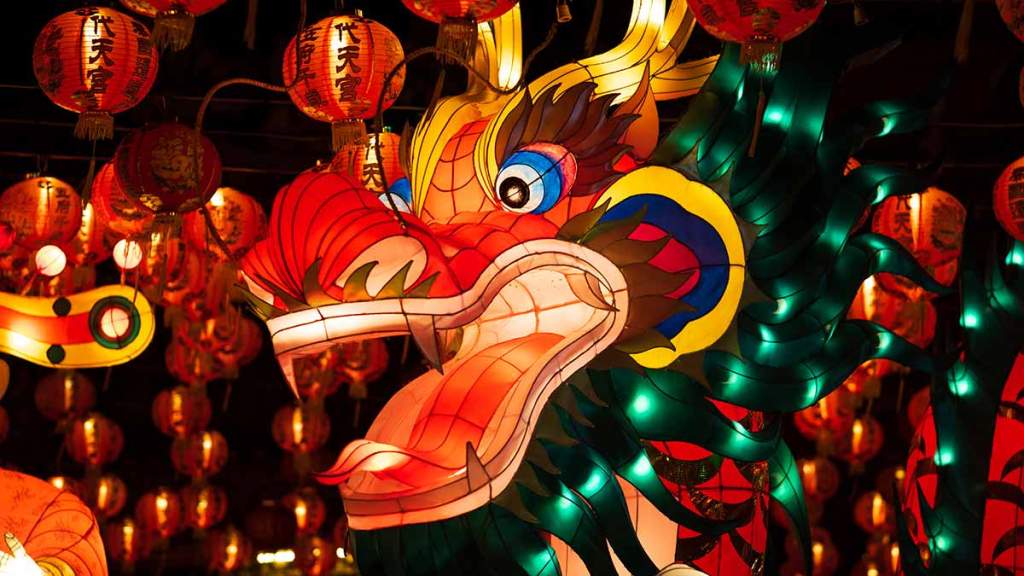
Listening to the radio yesterday I was inundated by references to the start of the Lunar New Year on January 29th. I was somewhat surprised as there is not a large Asian population in our state. As of 2022 there were 47,413 (1.7%) Asian Americans living in Arkansas. This was a national broadcast, but again it was a country music station. Still, the references got me hankering for dumplings and egg rolls. I texted Melissa on my way home and she agreed this sounded like a good dinner. Not having a “go to” Asian restaurant in town I decided to buy a frozen variety from the market and cook them in the air fryer. I realized this was not the same as dim sum (small bites) but it was the closest I could come to it on short notice. I came home excited by the prospect of a tasty meal to kick off our unofficial celebration of the Lunar New Year.
When I looked online, I found there is a difference between Chinese New Year and Lunar New Year. While they are can be used interchangeably, Chinese New Year is primarily celebrated in China, where it is a public holiday and one of the biggest celebrations of the year. Countries like Vietnam, Malaysia, Indonesia, Brunei, Singapore, South Korea, and parts of southeast Asia instead celebrate this as Lunar New Year. Traditionally, the celebration begins with a large family meal on Lunar New Year’s Eve and continues for the next 15 days, or until the following Lantern Festival (the next full moon). Symbolic traditions include eating fish (associated with wealth) or noodles (for longevity). People may also give red envelopes with money inside (hóngbāo) to express good wishes, set off fireworks and dragon dances to ward off evil spirits (Nian, the monster afraid of red), offer sacrifices to their ancestors for protection, and reunite with family to enjoy the celebrations. In China and Vietnam, the event correlates with the start of spring so floral arrangements adorn houses, streets, and businesses. In South Korea, bird decorations like paper cranes are hung up for longevity and good fortune. In Tibet, children bring gifts to their elders, and in Mongolia, a pastry tower is made to represent Mount Sumeru (a holy mountain). Many people with Asian heritage living in other parts of the world still participate in the Lunar celebrations.
Lunar New Year is a time to look towards a new year and good fortune but there are also plenty of superstitions around this time. In preparation, people will “sweep out” the misfortune of the old year from their home and hang up poems on red paper (couplets) for good luck and prosperity. It is widely believed you should avoid any washing or sweeping on the New Year to avoid “washing” the good fortune away, to avoid unlucky words like “illness” or crying, and to avoid colors associated with mourning such as black and white. Door Gods (mén shén) are hung up in entranceways facing each other to ward off evil spirits. Red is known as a lucky color and symbolizes happiness, prosperity, luck, and good fortune, and appears on envelopes, clothing, lanterns, and decorations especially during this time.
Thoughts: Our celebration of Lunar New Year was derailed by a major thunderstorm that repeatedly knocked out the power. We did not want to risk a power surge on our new air fryer and decided to go to the local Chinese buffet instead. The power was back on when we arrived, and I anticipated the egg rolls and pork dumplings. To my dismay they had no dumplings, and the egg rolls were soggy. The power flickered several more times before finally going out completely. Several local police had also come for the buffet, and they turned on their flashlights and placed them around the restaurant so we could see to eat. We left paying cash to the delight of the cashier (register was out). Although the food did not rival the dim sum I experienced in the Bay Area, it was memorable. I hope this inauspicious start will lead to a good year. Act for all. Change is coming and it starts with you.
 A travelers odyssey