
April 22, 2025
© Pavel Mikoska/Shutterstock
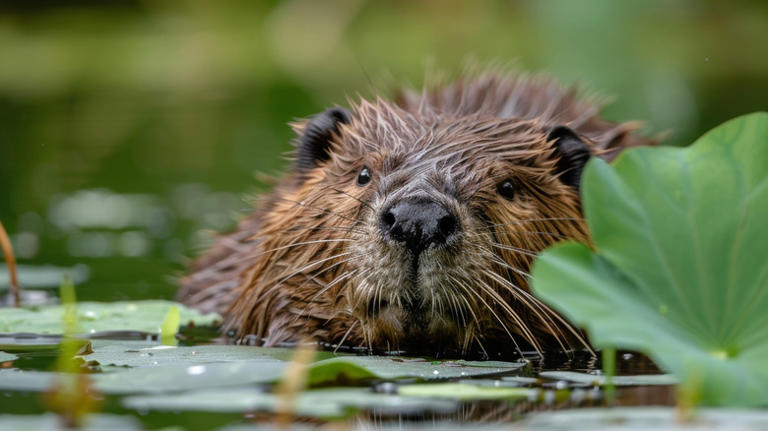
My MSN browser provided an update to the ongoing saga of a family of beavers in Northern California. On a 2,325-acre valley in Northern California named Tásmam Koyóm, conservation efforts are underway to reintroduce beavers (Castor canadensis) after a nearly 75-year absence. The result has been an explosion in population. The beaver family in Tásmam Koyóm is one part of the continued efforts in California. The state released a family of seven on June 12, 2024, at nearby South Fork Tule River, marking the first time the beaver had homed in the region in over a century. The Tásmam Koyóm family has had a year and a half to get used to the new environment and are thriving, with two litters of kits and one of the beavers finding a mate in the wild. The California Department of Fish and Wildlife says population growth offers a chance for beavers to thrive again. The species is endemic to Northern California, but its population was decimated by the fur trade in the 1800’s with numbers dwindling to fewer than a thousand by 1912. The beaver is not only beginning to make a comeback, but it can also protect the landscape from wildfire threats.
When I went online, I found California has been affected by thousands of wildfires between 1987 and 2023. The Palisades Fire began burning in the Santa Monica Mountains of Los Angeles County on January 7, 2025, and grew to destroy large areas of Pacific Palisades, Topanga, and Malibu before it was fully contained on January 31, 24 days later. The fire was driven by hurricane-force Santa Ana winds and burned 23,448 acres (9,489 ha), killed 12 people, and destroyed 6,837 structures. The fire was the tenth deadliest and third-most destructive California wildfire on record and the most destructive to occur in the history of the city of Los Angeles. While the wildfire-prone area requires a multifaceted approach to future prevention, the recent reintroduction of beavers across the state could help.
The beavers come into play as they naturally create and maintain wetland environments. Beaver dams have been mimicked in conservation efforts with volunteers creating Beaver Dam Analogues (BDA) to help bring water to drought-prone areas. The state’s largest (real) beaver dam was over 320 feet (97.5 m) long before it was consumed in a wildfire in 2021. One of the groups of the Tule River beavers began building off a BDA, strengthening the man-made dam already there. Conservation efforts for the beaver help prevent wildfires and benefit the region’s wildlife, from the long-lived Desert Tortoise (Gopherus agassizii) to the state bird, the California quail (Callipepla californica). The beavers’ explosive growth has given rise to the title of “Swiss army knife” of the animal kingdom for its utility. The Tásmam Koyóm beaver family should be a rallying cry for more conservation as well as a case study of how important it is to protect ecosystems to the benefit of every living creature.
THOUGHTS: The International Union for Conservation of Nature lists over 47,000 species as threatened with extinction. Success stories like the Tule River beavers provide a cause for celebration. Another family of beavers have taken up living in Alhambra Creek in downtown Martinez, California. A male and female beaver arrived in Alhambra Creek in 2006 and proceeding to produce 4 kits over the course of the summer. After the city decided to exterminate the beavers, local conservationists formed an organization called Worth a Dam which got the decision overturned. Subsequently, wildlife populations have increased in diversity along the Alhambra Creek watershed. Living in proximity to wildlife can be beneficial, if humans take time to figure out how to create a symbiotic relationship. Act for all. Change is coming and it starts with you.
 A travelers odyssey