Religion

Religion

July 30, 2020

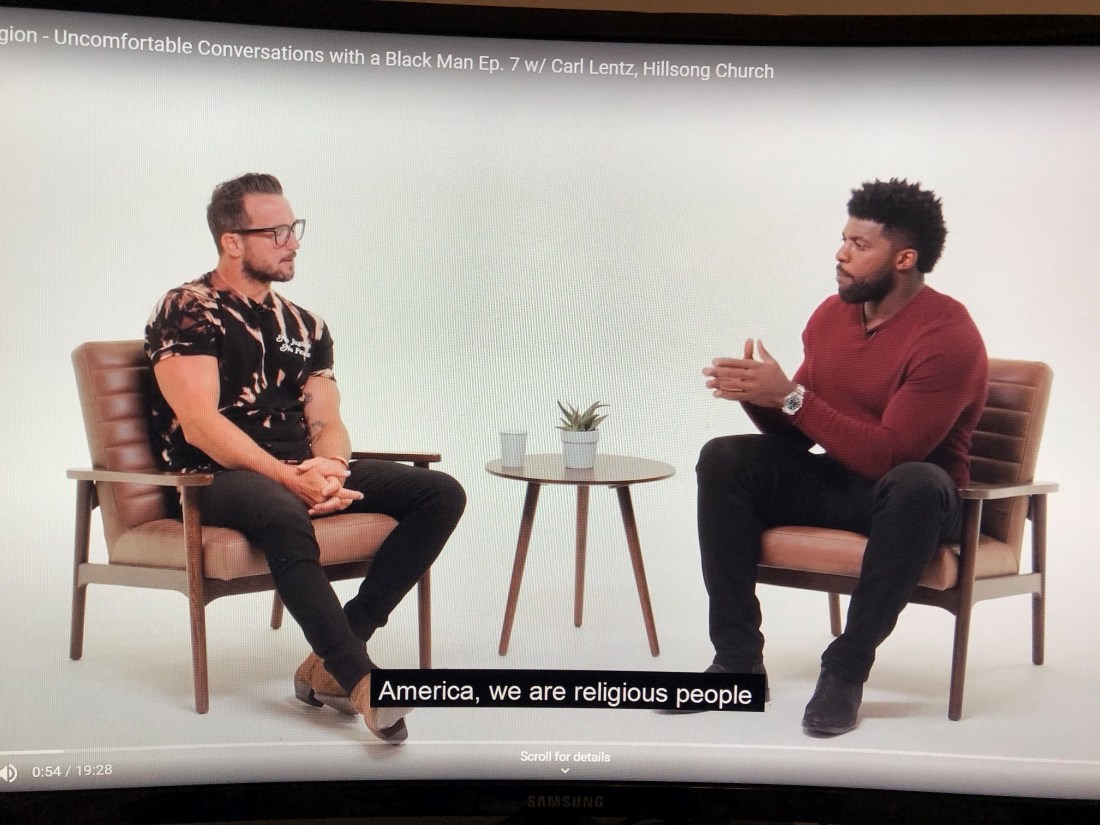
In Acho’s latest conversation he sat down with White pastor Carl Lentz of Hillsong Church of New York City.  The central question was why is the American church so divided?  Lentz compared the Christian church to a dirty house.  You intend to clean, but once you start looking you find dirt everywhere and become overwhelmed.  While you may clean some areas, others are too hard, and you ignore them.  When you have a guest, you clean the visible areas, but you always have that one room that becomes a repository for things you do not want to deal with.  That is what we have been doing with racism for decades in the American church.

If this is true, what can we do?  Lentz says you need to start where you are at.  Start with family, friends, and your own place of worship.  Be willing to point out racism and work to change it.  The goal of every Christian is to be like Jesus.  Jesus was always where the hurting people were.  In the Beatitudes Jesus says, “Blessed are the peacemakers,” not “blessed are the peacekeepers.”  We are called to make peace, and that means we need to be willing to find trouble.

There are pastors who claim, “It is not about race, it is about grace.  It is not about skin, it is about sin.”  Acho equates this to DENIAL: Don’t Even Know I Am Lying.  You cannot address a problem if you do not even know it exists.  After an argument over whether White Privilege exists, Lentz said this to the other.  If I am wrong about Privilege, I will have spent my life letting others get the first shot and looking out for their needs.  If you are wrong, what have you lost?  To coin a phrase, “What can it hurt?”

THOUGHTS:  Acho closed with the analogy of the Good Samaritan.  The priest and the Levite both passed the bleeding man on the other side of the road thinking, “What will happen to me if I stop?”  The Samaritan instead stopped thinking, “What will happen to him if I do not?”  Each of us can reach people who others cannot.  King’s “most segregated hour in America” is a good place to start your own uncomfortable conversations.  Change is coming and it starts with you.
Groceries

Groceries

July 29, 2020

Covid-19 numbers seem to be spiking in most areas of the country, and that is also true where we live.  Melissa works in Northwest Arkansas, one of the hotbeds of our state.  Sometimes it worries her to drive up every day.  She rarely goes out and then only to specific drive through windows where she feels comfortable.  We live in a town of less than 10,000 and have not had many cases.  As the numbers rise, positive tests have risen in our town as well.  As they increased Melissa became more wary about letting me out of the house.  She “suggested” I needed to order online groceries rather than going into the store.  Last night she took the initiative of ordering for me.

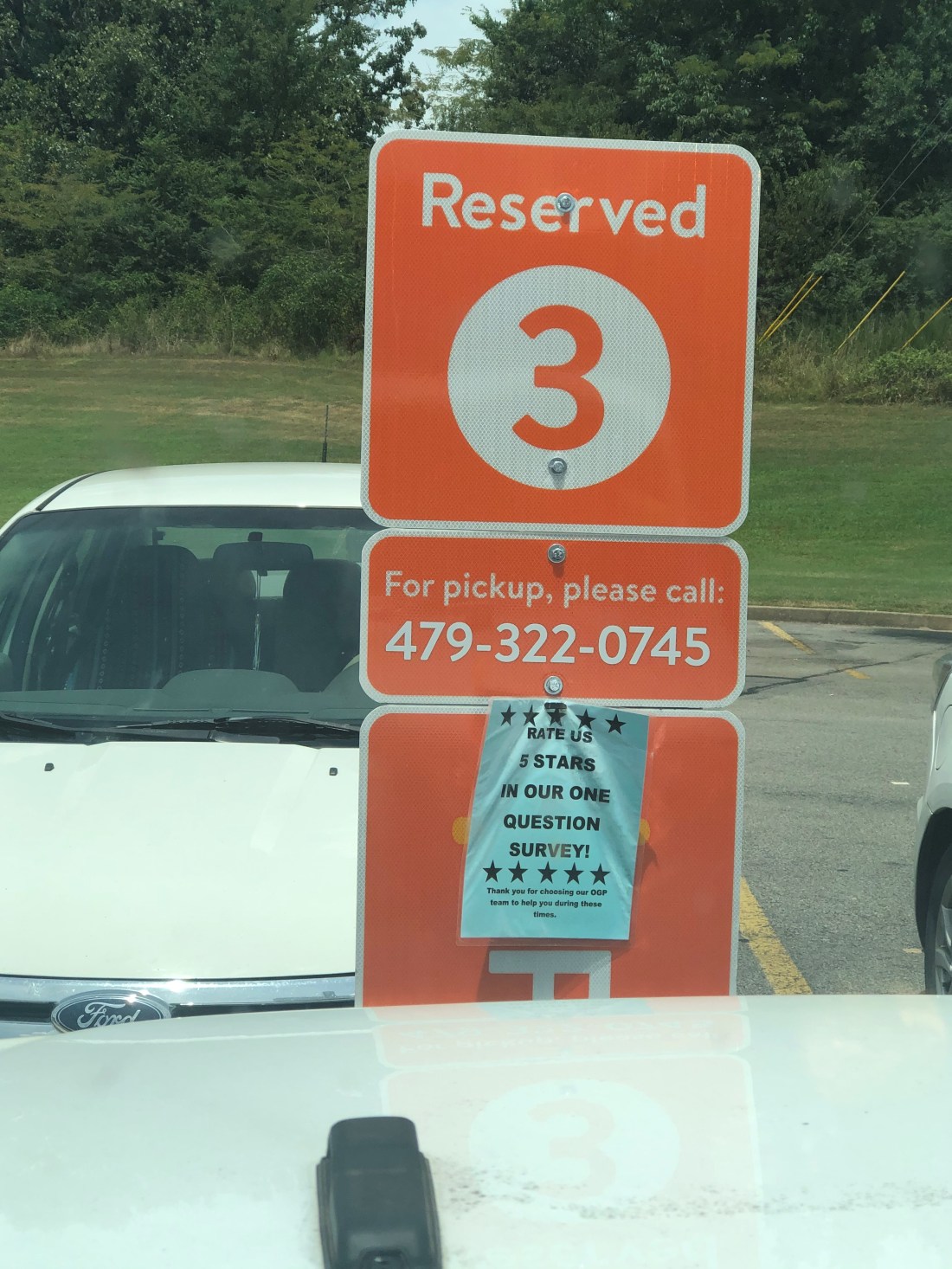
I was surprised several weeks ago when our grocery transformed half of one of their five rows into reserved online pickup spots.  We used these spots early on, but as things appeared to lessen (or maybe I got used to it), it became easier to mask up and get what I needed.  I wondered why they would put so many reserved spots in the front of the store when nobody used them.   When I arrived, there were five or six cars parked waiting for pickup.  They do try to space the deliveries out, so I figured we must have all come at once.

When I got home from my “touchless” delivery, I realized they had not put the lemons in our bag.  I sent a text to Melissa to make sure she had ordered them, then called the store.  They were nice about it and said they would have them ready when I arrived.  I went back to the reserved spots and this time about half of them were already taken.  The lady next to me put on her mask, got out of her car, and proceeded to enter the store.  It irritated me that she used these spaces because they were closer to the entrance.  I was happy to notice she had out of state plates.  At least it was not one of us.

THOUGHTS:  The day I heard about my grandfather’s death I was in a daze.  I had to go to the grocery and aimlessly wandered around.  After selecting my items, I stood in line.  That is when an icy voice come from behind, “This is ten items or less!  You are in the wrong line.”  I looked up and realized she was right.  I apologized and told her my grandfather just died and I was not tracking.  When I encounter events like the woman parking in a reserved space, I remember this time in my life.  What we believe we see may not be the whole story.  Perhaps we should have more compassion.  Change is coming and it starts with you.
Talk

Talk

July 28, 2020

Following the George Floyd killing and the resulting unrest I have begun to reexplore conversations around race.  One thing addressed in many stories about growing up Black was having to sit down with a parent to have the “talk.”  As a white child I remember sitting down with my mother to have the “talk.”  This consisted of asking if I had any questions about how our bodies are different and then being given a book that explained our differences and how babies are born.  While that happens in Black families, that is not the “talk.”  This talk concerns how to behave when you leave the house or neighborhood and are confronted by whiteness.

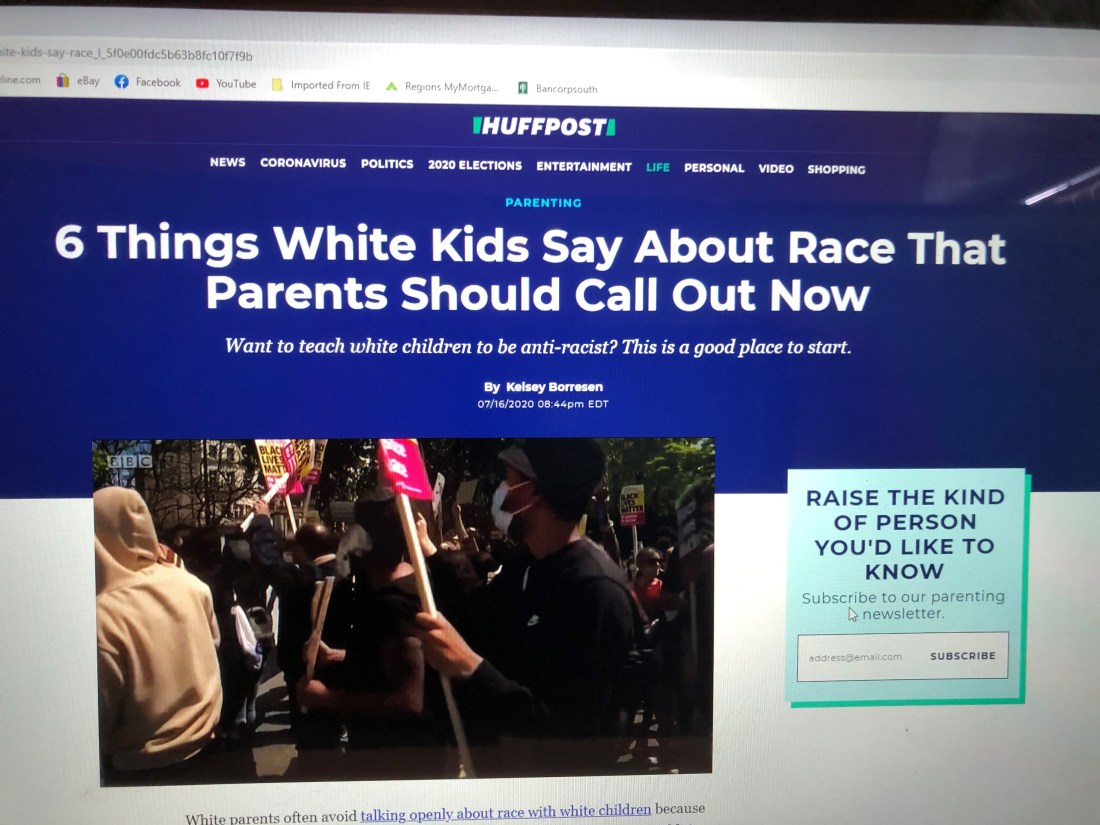
I received a Huff Post recently that explored the question of when it was appropriate for White parents to have a conversation about race with your child.  Many parents avoid talking openly because they are afraid it will draw attention to things their children would not otherwise notice.  Researchers have found children as young as two or three already have racial bias, and these are not always consistent with the adults in their lives.  The point was, talking about race did not cause prejudice, but not talking about race did.

Children pick up patterns about their society; like who lives where, how people look different, and who seems to hold different types of jobs.  If the parent does not explain why these inequalities exist and the role of longstanding systemic racism, the child will assume this is justified or even natural.  When a child makes an inappropriate comment, rather than telling them to be quiet you need to talk about what was said, why they feel that way, and explain why you feel different.  Another key is to purposefully demonstrate positive behavior in your own interracial friendships.  One is never too young, nor are we too old, to have the “talk.”

THOUGHTS:  Talking on the streets of Cairo I was told I was rich and did not understand what it meant not to be.  I objected as I literally had $20 in my pocket.  It was pointed out that I had taken three months off work and instead went to Egypt.  I realized, from this point of view, I was rich.  I find much of what I have been reading is of a similar vein.  My thoughts and actions have been shaped by my life experiences.  Lately I have realized that like my understanding of wealth, I also need to be jarred by the reality of another point of view on race.  Change is coming and it starts with you.
Disparity

Disparity

July 27, 2020

Melissa has been seeing the hummingbirds at our feeders all summer long.  I sit next to our Bay window where the feeders are located almost every morning and have only seen them on three or four days.  I also struggled with the identification.  All I ever saw was a drab little brown bird that did not show up on any of my identification platforms.  I have taken several pictures of these drab birds, but my identifiers do not even put them in the hummingbird class.  This has been driving me crazy all summer.

When Alex learned I was trying to be a birder this summer, he sent me a thoughtful gift for Father’s Day.  Actually, he sent two gifts.  The first was a lens I could attached to my phone.   The lens could be used for extreme closeups, but also as a 15x power telephoto.  I have taken it out to the field looking for birds, but around the house I am not fast enough to get it on the camera and take a shot of the bird before they are gone.  The second was a field guide to birds in North America.  This will be useful as I expand my birder territory.

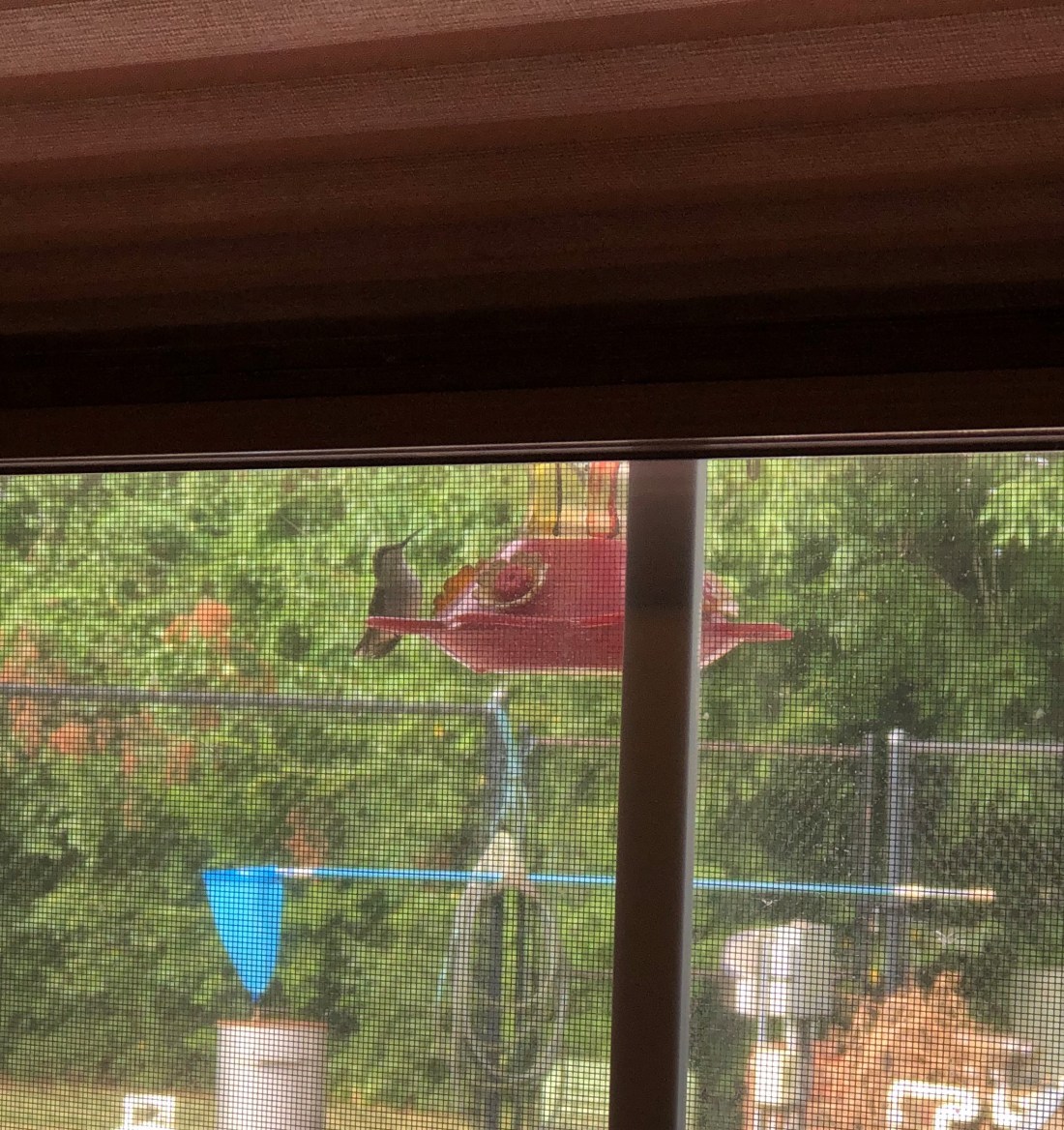
The other day on Amazon I ran across another field guide for birds, but this was exclusive to the birds of Arkansas.  It was inexpensive, so I decided to buy it.  When the little brown hummingbird came back, I was able to get a picture.  I looked up hummingbirds in the Arkansas field guide and found a picture of my little brown bird.  It was a Ruby-Throated Hummingbird.  The reason I had not been able to identify it was because it did not have a ruby throat.  It turns out that is only a trait of the males.  The females are drab little brown birds.

THOUGHTS:  I have found it interesting how the male of most species are colorful while the female is innocuous.  I learned from my zoology class in college this disparity was used to attract attention.  The proud displays attract the interest of the females, but also predators.  That keeps them away from the mom sitting on a nest.  Humans have taken the opposite approach, at least over the last centuries.  The females wear the bright plumage in hope of attracting a male who might be a strong provider.  The flash for the males has shifted to possessions and wallets, but this still seems to attract predators.  Amid the changes we now face, perhaps we should all look beyond the flash to what is inside.  Change is coming and it starts with you.
Bish

Bish

July 25, 2020

The first trip outside the house for my son Alex occurred when he was two weeks old.  We bundled him up and put him in his car seat and took off to one of our favorite fishing spots, Willard Bay.  The seat also served as a carrier, so we did not need to rouse him to carry him down to the water.  Alex was bundled up and doing fine as we began a stint of night fishing.  As is normal, he eventually wet his diaper and we had to change him.  When we unbundled him he began to cry unmercifully.  Did I mention he was born in early January?  As Alex got older, he would jump and shout each time we caught a “bish.”  This welcome to the Great Outdoors has carried on to the love he shares with his own family.

Frankly, I am not sure why this was one of our favorite spots.  We rarely caught fish.  I think it had to do with familiarity.  Utah mostly meant a different type of fishing and fish than I was used to in Kansas.  Willard Bay had catfish and I could use the cat poles I had invested in prior to moving.  I have moved from Kansas to Utah, from Utah to California, from California back to Kansas, and now from Kansas to Arkansas.  Each move meant I needed to relearn how to fish.

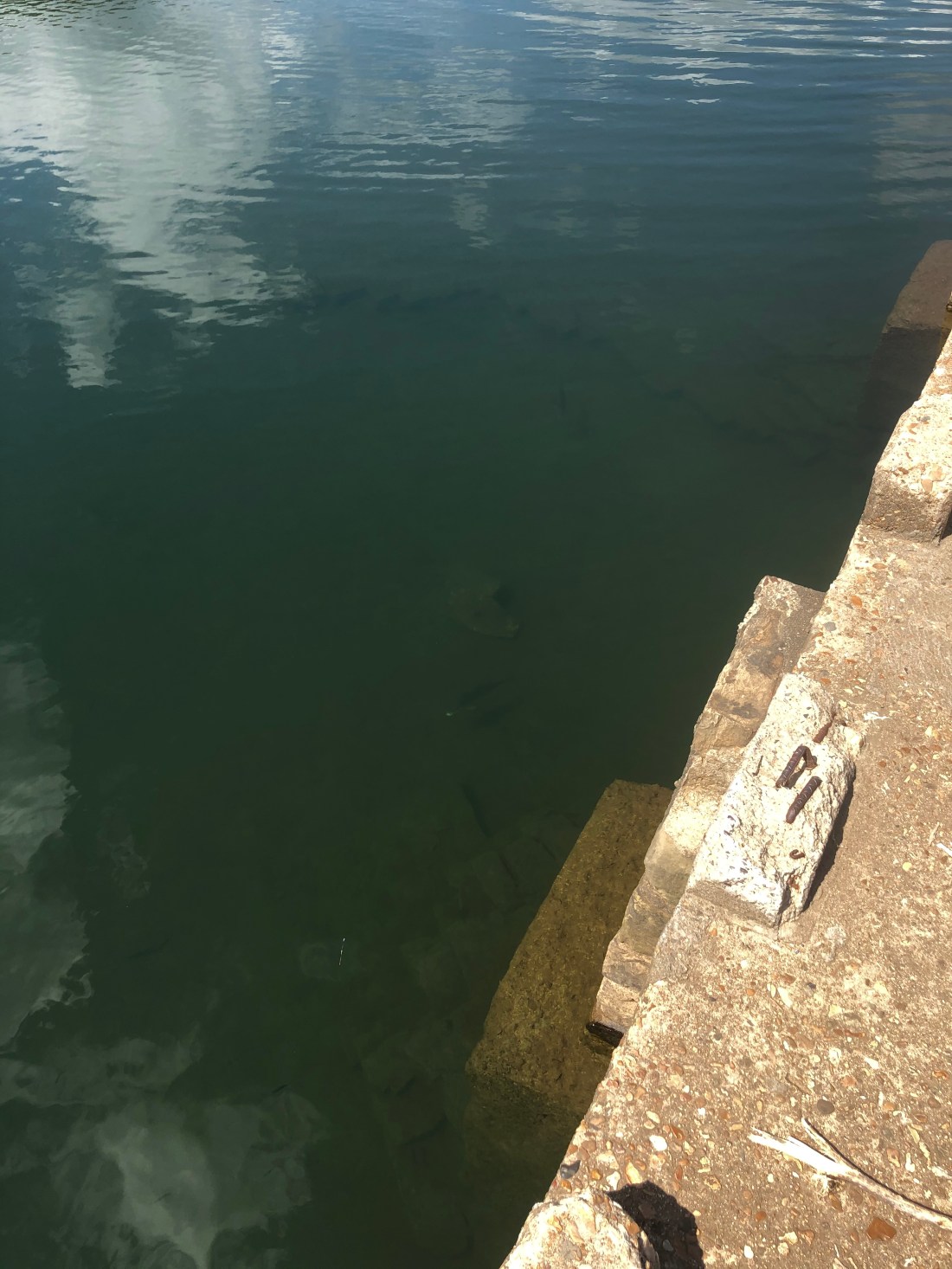
I finally got to fish the low water bridge south of town where I work   This has always looked promising and Sunday, I stopped to check the water level.  The water was down but still deep around the bridge.  The water was clear, and I could see dozens of fish hanging on the bottom in about eight feet of water.  I came back a couple of days later and threw out my line.  I tried flies, worms on bobbers, artificial lures, salmon eggs, plastics, and finally stink bait.  While I did get a few strikes on my flies, I caught no fish.  I have always said, if you can see them, they can see you.  There is nothing more frustrating than being able to see what you want and not being able to get it.

THOUGHTS:  Each move I made meant new states, but also different ecozones.  The basics of fishing remain the same, but the habits of the different types of fish adapt to varying climes.  I read the only difference in species of Trout depends on their habitat, what they eat and where they live.  The same can be said about humans.  Our differences derive from our native habitats.  Globalization has brought the world closer than ever before.  Our difference should be recognized and celebrated rather than downplayed or ignored.  Differences are what make each of us unique.  We need to live together celebrating our differences rather than using them for division.  It is frustrating to see what you want and be unable to get it.  Change is coming and it starts with you.
Asterisk

Asterisk

July 24, 2020

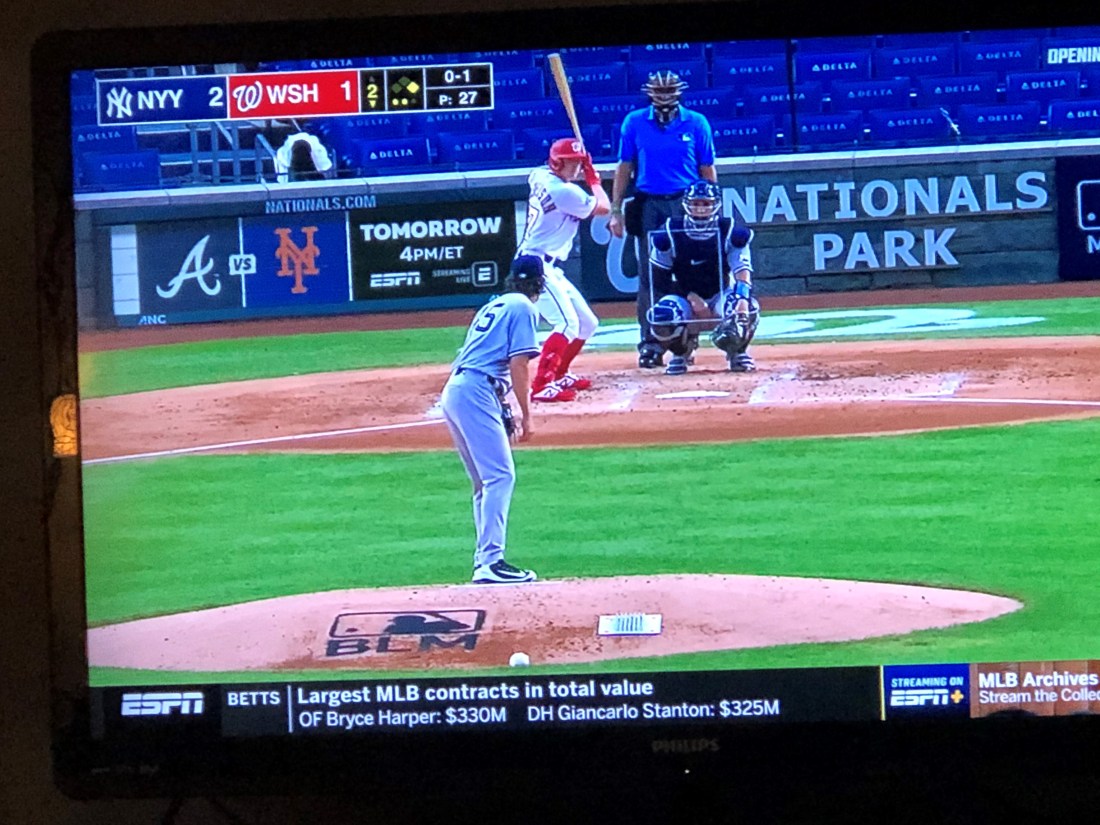
Melissa and I are back on track starting last night with the reopening of Major League Baseball.  Two games were featured on the opening double header on ESPN2.  The first game was a six-inning rain delay between the Yankees and the Nationals in Washington.  The second game featured the Dodgers and the Giants in Los Angeles.  While the East Coast game featured the starting pitchers in two of last year’s World Series games (1 and 5), the West Coast featured a standing rivalry of two of the best teams in the division for the last 60 years.  The only problem was there are two teams I really do not like to watch, and one played in each game.

Even with the start of Baseball, a lot of discussion revolves around how to judge winners and losers of a 60-game season.  Definitely an asterisk, but what else?  To add to the confusion, there are substantial rule changes to allow the distancing required for play to begin.  Aside from the Health and Safety changes and scheduling differences, five major changes are effective tonight.  The National League is using the designated hitter for the first time and all extra innings start with a player on second base in both leagues.  There is now a three-batter minimum for relief pitchers and anyone on the roster can come in to pitch, but all eligible players need to be on the roster.  Finally, there are strict prohibitions against unsportsmanlike conduct.  No empty benches in the covid-19 era.

The lack of fans is being handled by different clubs in different ways, as evidenced tonight.  The Nationals are playing in a stadium with empty seats.  The Dodgers took a different approach, allowing fans to purchase a cardboard virtual presence for $149 or $299 a seat depending on location.  The purchase is tax deductible, with the proceeds going to fund some of the “most pressing problems facing Los Angeles with a mission to improve education, health care, homelessness, and social justice for all Angelenos.”  The website has suggestions for how to take the best Dodger paraphernalia photo of yourself, and you can decide to take your dog to the park in the seat next to you.

THOUGHTS:  I feel like this entire year is going to get an asterisk for all of us.  This is the year with no Prom and limited or delayed graduation ceremonies.  This is the year where we do not know how to run an election campaign or even make voting available for people.  This is the year where we already have 4.11 million confirmed cases in the U.S. and nearly 145,000 deaths.  This is the year where after a month of lock-down the streets exploded in protests and violence.  And this is the year where discussions about racism being held dormant are resurfacing in hopeful ways. Change is coming and it starts with you.
CCC

CCC

July 23, 2020

It had “cooled down” to the mid-90s today so I decided to try my hand at fishing.  I had fished Natural Dam once before, but the water was low and other than a couple of bluegills, I had no luck.  When I arrived today, I found the previously empty lot half filled with vehicles.  I could not believe there were that many people fishing, and I was right.  It turned out everyone was there for swimming.  There were about fifteen people scattered above the dam, so I walked down stream.  The water was low again, and every hole for a half a mile had a family playing in the water.  Even the “holes” were only about two feet deep.  I did get some strikes and finally hooked a small bass.  At least it was a nice walk.

When I worked as an Historian part of what I did was catalog Civilian Conservation Corps (CCC) sites for our data base.  That meant I spent time reading about the different locations, checking to see what was left, and documenting how well they were preserved.  Since these sites were on my radar, I was surprised to find a cement slab with a hole in the middle on the family farm.  It seems granddad had been targeted to receive one of the new outhouses the CCC was digging in rural Kansas.  When I asked, my father recalled how mad granddad got when they built it.  He had asked them to use the old wood pile (he never threw anything away, just in case), but they had used his new wood instead.  They were trying to make it look better, and he knew it was just an outhouse.

Since it was still early afternoon, I took a left on the way home to see if I could find more river.  The sign said Lee River (a town as well as the river’s name) was only 8 miles.  The road wound up and down the steep hills of the Ozark National Forest.  I never did see Lee River, but I ended up at Devil’s Den State Park.  The site stands as one of the most intact CCC sites in the U.S.   An impressive rock dam spans Lee Creek forming the 8-acre Lake Devil.  The park’s hiking, backpacking, mountain bike, and horseback riding trails lead to the surrounding Ozark National Forest.  You are not allowed to swim in the Lake, but there were about 30 people at the swimming pool.  I am glad I got to see the site, even if it was by accident.

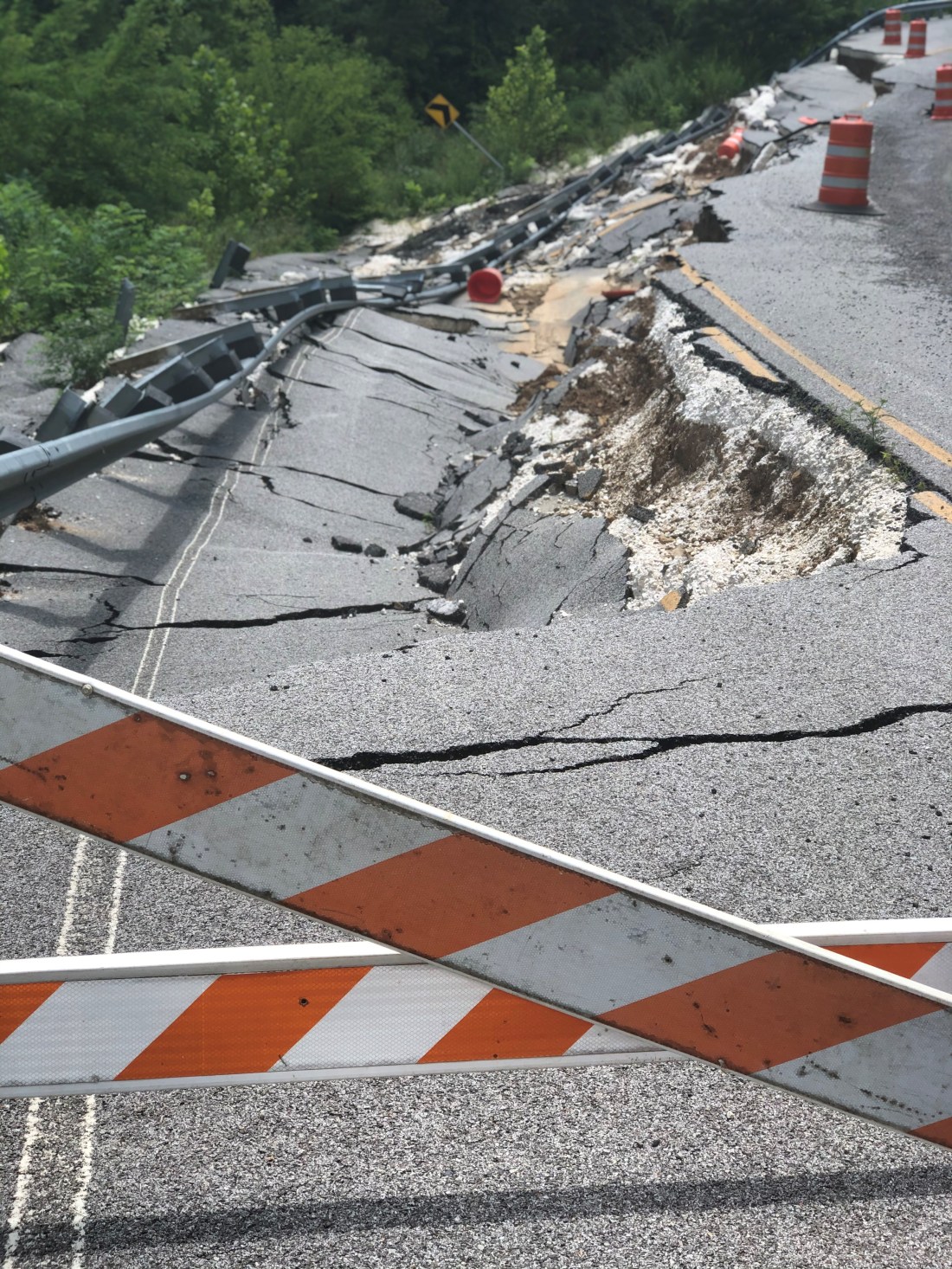
THOUGHTS:  I could not help but see the irony as I drove the road leading to Devil’s Den.  The main task of the CCC was to put America back to work following the Crash and unemployment of the Depression.  While recovery did not happen until the industrial ramp up of World War II, a large portion of CCC work dealt with creating infrastructure.  There had to be at least six sections of road where the shoulder and a portion of the lane had collapsed down the hill and several more where earlier washouts had temporary patches.  Before the pandemic congress tried to pass a bill to fund infrastructure improvements.  I guess clean water, bridges and road repair are not as important as politics.  Change is coming and it starts with you

Afilfil

afilfil

July 22, 2020

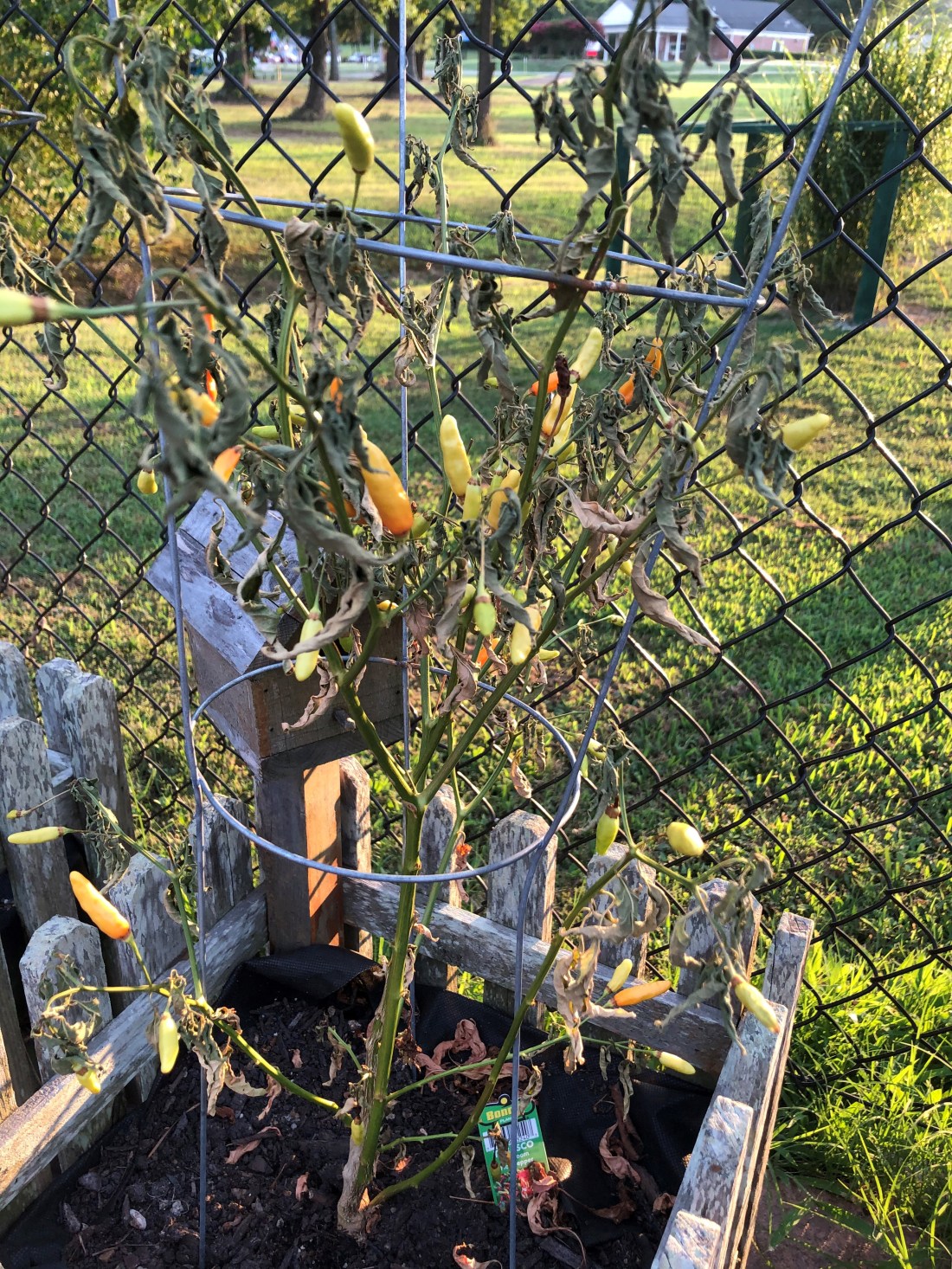
I grew three different types of hot peppers in my garden.  The first was a normal Jalapeno pepper which gets about three or four inches long when it is ready to pick.  The second was a Mammoth Jalapeno which grows to around six inches.   The last type was a Habanero Pepper which only gets about an inch and a half.  My two jalapenos have stopped production now that it has gotten hot, but the Habanero has only come on in the last few weeks.  The plant is covered with small peppers ready to pick.  I have found the peppers grown in my containers are not as big as normal ones.  Despite their smaller size, they make up for it with heat.

I mentioned earlier I spent a month on a farm in Egypt as part of an excavation.  We were cutting cost and ate whatever the farmer’s wife made for us, essentially a meatless diet.  One of my favorite foods was a pickled chili pepper which in Arabic was called “afilfil.”  At first, the peppers seemed like fire, but by the end of the month I was chomping them down.  I went on a survey party when I returned and one of the leaders had come back from New Mexico with some of the hottest peppers he had ever eaten. He passed them around and everyone started choking from the heat, except me.  I think it made him mad, but I told him these were nothing compared to the “afilfil” I had been eating for the last month.

I picked several of the small habaneros a couple of days ago but have been reluctant to try one.  We use jalapeno peppers in most of the things we fix, but I was unsure how to fix the habaneros.  I needed to know how hot it was before I mixed it in any food.  I was joking around last night and told Melissa I would give her a dollar if she ate one.  Without hesitation she said she would if I did and the dare was on.  I picked out two small peppers, we counted it down, and then we both ate a pepper.  For the next five minutes my mouth was on fire.  I ate a piece of bread.  I drank ice water.  Melissa put mashed potatoes on a spoon to cover her tongue.  Nothing helped until the heat finally dissipated.

THOUGHTS: “Bringing the heat” is a colloquialism for facing a challenge or hard times.  When Melissa and I ate our peppers last night we literally “brought the heat.” After eating her pepper Melissa warned me not to rub my face, as she rubbed her nose and it was burning from the residue of the pepper left on her hands.  During our current situation, it seems the heat has been brought to us.  The issue we need to face is how we will respond.  We need to ask probing questions about how we have addressed (or not) racism.  We need to keep (or start) the uncomfortable conversations with those around us.  Change is coming and it starts with you.
Affinity

Afinity

July 20, 2020

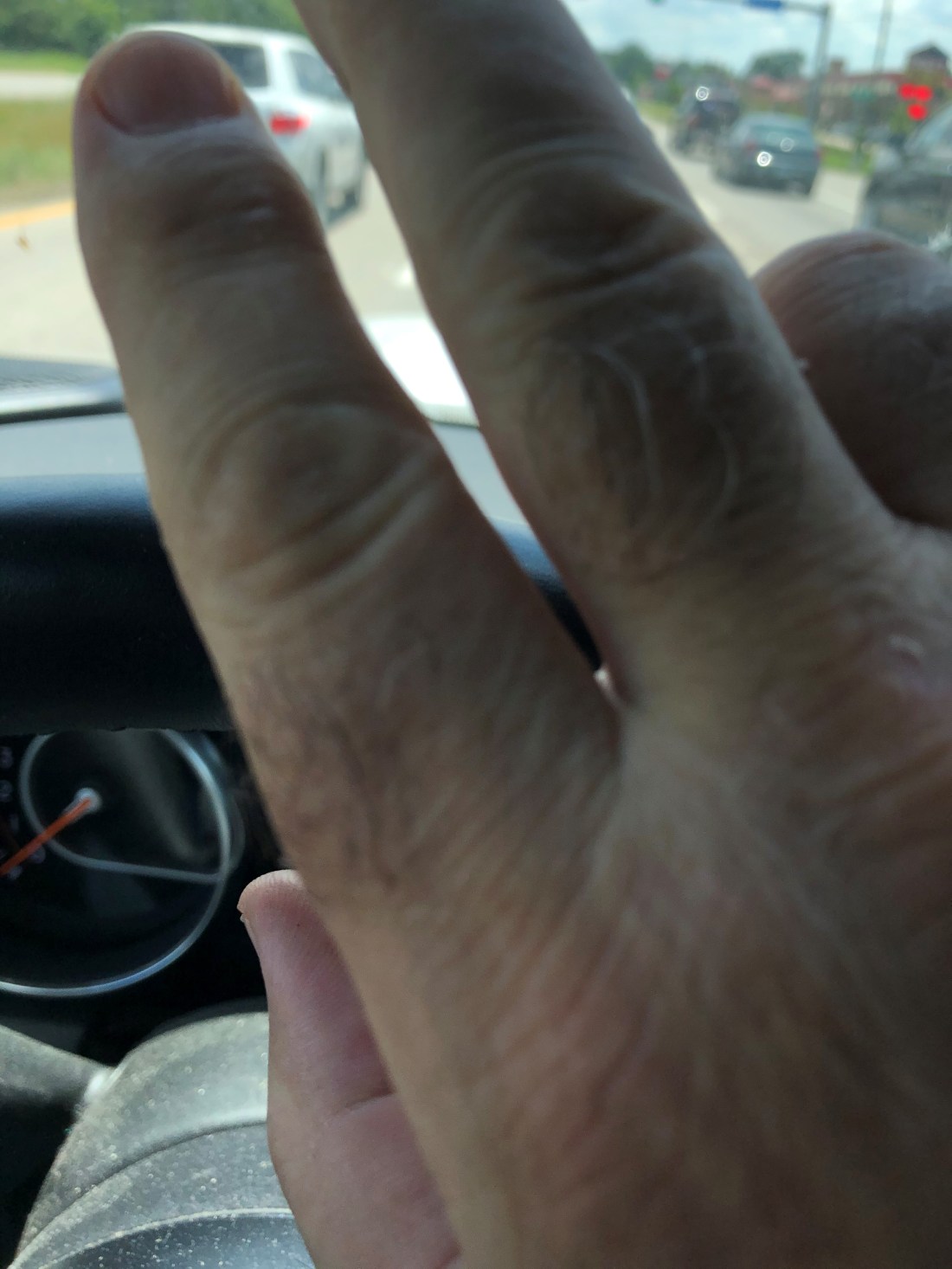
One of the great things about working on my Grandfather’s farm was being able to drive around the back country in an old pickup.  I noticed the old timers in the area would wave to me as I drove past.  I realized what they were doing and began to return their waves.  As the summer progressed, I saw a difference in the waves.  When I first arrived, they recognized I was in my Grandfather’s truck, so they acknowledged me by raising one finger on the right hand off the wheel.  As the summer progressed, they realized I was the grandson, so I got two fingers off the wheel.  Later when I drove with my grandfather at the wheel, we would get the two fingers raised slightly above the wheel.  There was a hierarchy of acceptance.

We purchased our Wrangler and quickly moved to Arkansas.  As we drove around our new town, I noticed other Wrangler drivers would wave as we went by.  This was generally a wave of two fingers of the left hand off the wheel.  At first, I thought they were mistaking me for someone else, as I noticed the large number of Wranglers that drove through or around our town.  Then I saw a Jeep commercial and the Wrangler driver raised the two fingers as they passed another Wrangler.  That is when I learned about the Wrangler Wave.

There are some “how, when, and why” elements to the Wrangler Wave, and if you own one, you better know what they are.  Otherwise, you may be subject to the wrath of Jeep Nation.  There is also a hierarchy for waving, just like on the farm.  This determines who waves first.  It goes like this.  The older the Jeep, the dirtier, if you have the top or doors off, what type of accessories you sport, and lastly the model, and ultimately, all other Jeeps defer to the Wrangler.  If you are lower on the scale, it is your responsibility to initiate the wave.  Frankly, I have never seen any other Jeep driver other than in a Wrangler wave.  I guess they do not understand the culture.

THOUGHTS:  The wave is said to have begun after World War II as the GI’s came home.  If you owned a Jeep, you were probably a fellow veteran.  This created an affinity for each other that has been passed down.  Now the affinity is a shared joy in off roading.   Creating an affinity for other like-minded people can produce rapid acceptance to the group.  It can also be used to exclude others.  We have used “race” to separate into us and them, despite the less than 1% difference in all human DNA.  Perhaps our affinity should be the Human race.  Change is coming and it starts with you.
BICOP

BICOP

July 20, 2020

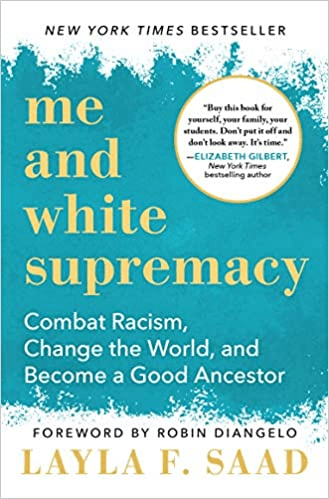
Melissa sent me a post from NPR several days ago that I just got around to reading over the weekend.  This was a conversation with Layla Saad, an East African, Arab, British, Black, Muslim woman living in Qatar.  She has come up with a 28-day process designed to teach those with white privilege how systemic racism works.  More importantly, how to stop contributing to white supremacy in the world.  This began as a PDF digital workbook but has now become a New York Times bestseller called, Me and White Supremacy.

The burning question asked in her interview was, “What do you think is the biggest obstacle or the toughest challenge for white people when they decide they want to take this challenge?”  Her response, “People get stumped on white exceptionalism.”  Saad went on to explain white exceptionalism as the idea that as a white person, I am one of the good ones.  She went on to explain there is no good or bad.  What we are talking about is being unaware of the ways you are causing harm to other people.  That is the purpose of her book.

I was intrigued by the article, looked the book up on Amazon, and read the introductory pages provided.  This made me more curious.  One of the suggestions was to complete this book as part of a group where you could (honestly) discuss your responses to the daily questions.  Melissa had already mentioned she would like to be able to find a resource like this, and we decided to go through the book together.  I saw the book was offered in a Kindle format for half the cost (I am my father’s son), and we downloaded the book and began the journey last weekend.  We are two days in.

THOUGHTS:  Like Acho’s Uncomfortable Conversations, Saad’s White Supremacy is intended to get the conversation started.  When we answered the first day’s questions it reinforced the limited interaction with BICOP (Black, Indigenous, People of Color) we both had growing up.  Arkansas was part of the segregated South and Kansas lacked the cities and large-scale manufacturing that fostered migration.  Saad promised in her introduction that the book would make me mad.  It is a learning experience.  Change is coming and it starts with you.