Cloud Seeding

September 09, 2025

I thought it was appropriate after a recent blog on planting my second set of seeds that yesterday’s local newspaper carried a USA Today article responding to the July storm that dumped 20 inches (50.8 cm) of rain in parts of central Texas.  This was the equivalent of a month’s worth of rain and swelled the Guadalupe River over its banks, resulting in the death of 130 people.  As is typical for most disasters, people sought to place the blame in a variety of places.  One unexpected place was on the activity of a small startup called Rainmaker two days prior and 100 miles (160 km) away.  The flight had lasted 20 minutes and released 2.5 ounces (70 grams) of silver iodide into a set of clouds, resulting in a drizzle of less than 0.2 inches (1/2 cm) of rain on farmlands struggling with drought.  Scientists said the distance made it scientifically impossible for this cloud seeding to have played a role in the flooding.       

When I went online, I found cloud seeding is a type of weather modification that aims to change the amount or type of precipitation, mitigate hail, or disperse fog.  The usual objective is to increase rain or snow.  Cloud seeding involves dispersing particulate substances into the atmosphere to serve are the center (nuclei) that water vapor or ice condenses on.  Common agents include silver iodide, potassium iodide, and dry ice, but water attracting (hygroscopic) materials like table salt are gaining popularity.  Techniques include a static seed which encourages ice particle formation in supercooled clouds to increase precipitation or dynamic seeding which enhances cloud development through the release of latent heat.  The substance is usually dispersed by aircraft or ground-based generators, but newer approaches involve drones delivering electric charges to stimulate rainfall or infrared laser pulses aimed at inducing particle formation.  The effectiveness of cloud seeding remains a subject of debate among scientists despite decades of research.  Environmental and health impacts are considered minimal due to the low concentrations of substances used, but concerns persist.

Cloud seeding has been used as far back as the 1940’s for various purposes, including agricultural benefits, water supply augmentation, and event planning.  Eric Betterton, professor emeritus in atmospheric sciences at the University of Arizona, said “people have been worried about using silver iodide in the past, but the amounts are so small it’s insignificant . . . there are no known effects on the environment.”  The technique also has limitations.  You cannot create a storm or control the climate.  Seeding simply speeds up the natural process that causes rain or snow to fall.  As extreme weather events increase along with climate change, so do explanations offered by conspiracy theorists, including possible military involvement.  Lawmakers in several states have introduced bills to ban or restrict cloud seeding and other forms of weather modification.  Legal frameworks primarily focus on prohibiting the military or hostile use of weather modification techniques, leaving the ownership and regulation of cloud-seeding activities to national discretion. Despite skepticism and debate over its efficacy and environmental impact, cloud seeding continues to be explored and applied worldwide as a tool for weather modification.

THOUGHTS: Rainmaker’s 20-minute cloud seeding flight was part of a local program and these are usually funded by a water district or utility.  While it did not fuel the distant flooding disaster it did produce fear and legislation to ban or restrict weather modification.  As global warming increases, understanding how clouds behave and interact with our warming and ever more polluted atmosphere is why scientists want to study cloud seeding and not ban it.  Information is critical in understanding how our planet works.  The article closed, “You can’t engineer a flood.”  Act for all.  Change is coming and it starts with you.
Invasion

August 22, 2025

@Elijah Nouvelage, Reuters

Inside the back section of my local newspaper was a USA Today article on and invasion taking place in the San Jaquin Valley, California.  This month’s newsletter by the Almond Board of California said the infestation has impacted more than 100,000 acres of almond trees and caused US$109 million to US$311 million in losses from damage to equipment and crops over a year.  The valley is one of the world’s top agricultural regions.  The invasion started last fall and took growers by surprise.  Now they are still scrambling to figure out how to repel the intruders, often turning to Roger Baldwin, a rodent expert with the University of California, Davis, where he is a cooperative extension professor.  Baldwin used to get fewer than one inquiry a year, but he said, “There are inquiries and questions about doing interviews on rat control and giving seminars on rat control, and can I write articles about this.”  His phone buzzes with requests from farmers, journalists, and others seeking expertise on how to control the rat invasion on the state’s US$4.7 billion almond industry.

When I went online, I found the brown rat (Rattus norvegicus), also known as the common rat, street rat, sewer rat, wharf rat, Hanover rat, Norway rat, and Norwegian rat, is a widespread species of common rat known to create periodic invasions in other parts of the world.  The island of Taukihepa (Maori) or Big South Cape Island (European) is an offshore island of New Zealand to the west of the southern tip of Rakiura or Stewart Island.  The island has no permanent inhabitants but is visited by Maori hunters (muttonbirders) in search of sooty shearwaters (Ardenna grisea), known in New Zealand as “muttonbirds”, that came to nest on the island in the spring.  The muttonbirders arrived in March 1964 to find the island devastated by rats.  Previously free of mammalian predators, the ecology of the island was overwhelmed in a matter of years.  Many endemic species of bird (some flightless) were driven to extinction and the surviving insect and bird life heavily reduced.  An eradication program was initiated to rid the island of rats, and the island was rat-free again in 2006.

The exact cause of the California rat invasion is unclear, but it may have been spurred by abandoned fields.  California accounts for more than 75% of the global almond production and exports 70% of its output to 100-plus countries, with India as the leading customer.  Rats have always been a bigger problem at citrus orchards but have now developed a taste for nut trees.  Baldwin and others say the shift comes from three contributing factors.  A protracted drought and diminishing water supplies in the early 2020’s left over half a million acres (202,343 ha) in California unplanted.  That also meant there was no pest control in those fields.  The drought ended in the winter of 2022-23 and began a three-year spell of at least average rainfall bringing vegetation growth and an abundance of food resources.  State restrictions on pesticides have also limited the means growers have for getting rid of rodents.  The rats are joined by five species of squirrels (family, Sciuridae), deer mice (genus, Peromyscus), and others, but rats have by far been the most destructive.  Some farmers say they have spent hundreds and even thousands of US dollars per acre on rat control over the last year.

THOUGHTS: Invasive plants and animals can quickly expand to the level of an invasion if left unchecked.  Humans have tried to control the invasion using biological and pesticide controls.  The biological fixes have a record of resulting in an invasion of their own.  Globalization has brought an influx of goods and services to every corner of the earth.  It has also resulted in the destruction of ecosystems in these same areas.  While we may never reverse these effects, we can be vigilant in choosing what to purposefully spread and curtailing any negative aspects that may result.  Act for all.  Change is coming and it starts with you.

Outburst

August 16, 2025

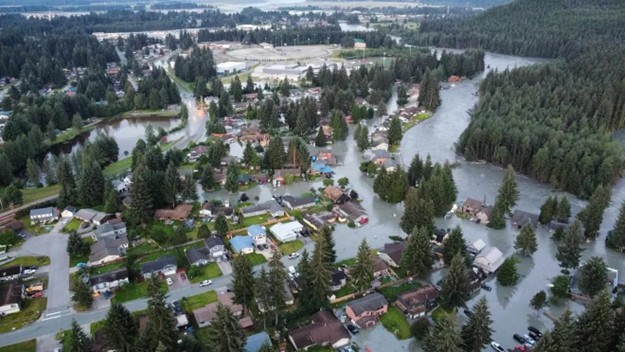
A USA Today article reported how water from a melting glacier has caused a river near Alaska’s capital city of Juneau to swell to historic levels.  As of August 13th, emergency barriers protecting Juneau appear are holding.  The risk from summer glacial flooding is on the rise as climate change increases temperatures, causing more ice to melt.  Lakes form behind the unsteady dams made of ice and when these dams fail, the water rushes out, often resulting in catastrophic downstream flooding.  The ice dam lake near Juneau ice is called Suicide Basin, which is part of the Mendenhall Glacier.  If it collapses from summer heat it will release the water in a short period of time.  Aaron Jacobs, a hydrologist at the National Weather Service office in Juneau, said as these events continue to unfold, scientists need to continue to improve their understanding of these glacial systems, especially as the climate continues to change and warm throughout Alaska.  Glacial lake outburst flooding is produced by the quick, unexpected release of water from a glacial lake.

When I went online, I found a glacial lake outburst flood (GLOF) is a type of outburst flood caused by the failure of a dam containing a glacial lake. A similar event where the ice melts and overflows the glacier is called a jökulhlaup.  The dam can consist of glacier ice or previous glacial deposits (moraine).  Failure can happen due to erosion, buildup of water pressure, an avalanche of rock or heavy snow, an earthquake, or by a sudden cracking action in frozen soil or rock saturated with water or ice (cryoseism), volcanic eruptions under the ice, or massive displacement of water in a glacial lake when a large portion of an adjacent glacier collapses into it.  Increasing glacial melting because of climate change along with melting of the permafrost means regions with glaciers are likely to see increased flooding risks from GLOFs.  This is especially true in the Himalayas where geologies are more active.  A 2023 study found 15 million people at risk from this hazard, mostly in China, India, Nepal, Pakistan, and Peru.

Glacial lake volumes vary but may hold millions (35,314,666+ cubic feet) to hundreds of millions of cubic meters (3,531,466,600+ cubic feet) of water.  Catastrophic failure of the ice or glacial sediment containing the water can be released over periods of minutes to days.  Peak flows as high as 529,720 cubic feet (15,000 cubic meters) per second have been recorded in such events.  This suggests the v-shaped canyon of a normally small mountain stream could suddenly develop an extremely turbulent and fast-moving torrent of water some 160 feet (50 m) deep.  Glacial Lake Outburst Floods are often compounded by a massive riverbed erosion in the steep moraine valleys resulting in flood peaks increasing as they flow downstream until the sediment deposits.  On a downstream floodplain, it suggests a somewhat slower inundation spreading as much as 10 kilometers (6.2 mi) wide.  Both scenarios are significant threats to life, property and infrastructure.

THOUGHTS: The glacial outburst in Alaska is not a new phenomenon and has occurred annually in Suicide Basin since 2011.  What is new in the last few years is the amount of water being released all at once during these events.  According to the National Centers for Environmental Information Alaska has warmed twice as fast over the last several decades Information compared to the rest of the US.  Its average annual temperature has risen 3.1F (-16.0C) in the past century.  Since 1990, humans have been the primary cause of melting glaciers worldwide due to rising temperatures from the burning of greenhouse gases and land-use changes.  Such an outburst can be prevented.  Act for all.  Change is coming and it starts with you.

Arborist

August 12, 2025

I came across another example of how one decision leads to the necessity of making others this week.  We have been checking out buying a motorhome for the last eight years.  We began when we still lived in Kansas, but after the move to Arkansas the concept fell off our radar.  This last year my sister and brother-in-law purchased a small teardrop trailer with their son and then a larger trailer for their use.  They camped most of their married life, so this was not a surprise.  She told us that while it was cheaper to stay in a hotel than buy and maintain a trailer, they enjoyed the outdoor freedom.  One reason I (and now Melissa) retired was to travel.  Now that we have the kids, this has become problematic (for me).  It is more difficult to find a hotel that allows pets (not impossible) and even more so now that we have 175 pounds (75 kg) of dogs.  Boarding is a possibility but adds another US$1,000 to the vacation.  That moved us to buy a Class C motor home.  These vehicles are smaller than the Class A motorhomes and have slide-outs for maximum square footage.  The purchase meant we also needed to decide where to keep the vehicle.  The fenced side yard was an obvious choice, but that meant we needed to enlarge the gate and cut down a tree for access.  While I could have taken days to cut the tree and haul it to the dump, we decided to call an arborist. 

When I went online, I found arboriculture is the cultivation, management, and study of individual trees, and other perennial woody plants, and a person who practices or studies arboriculture is called an arborist.  The science of arboriculture studies how these plants grow and respond to their environment.  The practice of arboriculture includes techniques for selection, planting, training, fertilization, pest and pathogen control, pruning, shaping, and removal.  A tree surgeon is more typically someone who is trained in the physical maintenance and manipulation of trees and more a part of the arboriculture process rather than an arborist.  Risk management, legal issues, and aesthetic considerations have come to play prominent roles in the practice of arboriculture.  Businesses often hire arboriculturists to complete “tree hazard surveys” and generally manage the trees on-site to fulfill occupational safety and health obligations.  Arboricultural matters are also considered to be within the practice of urban forestry, yet the clear and separate divisions are not distinct or discreet.

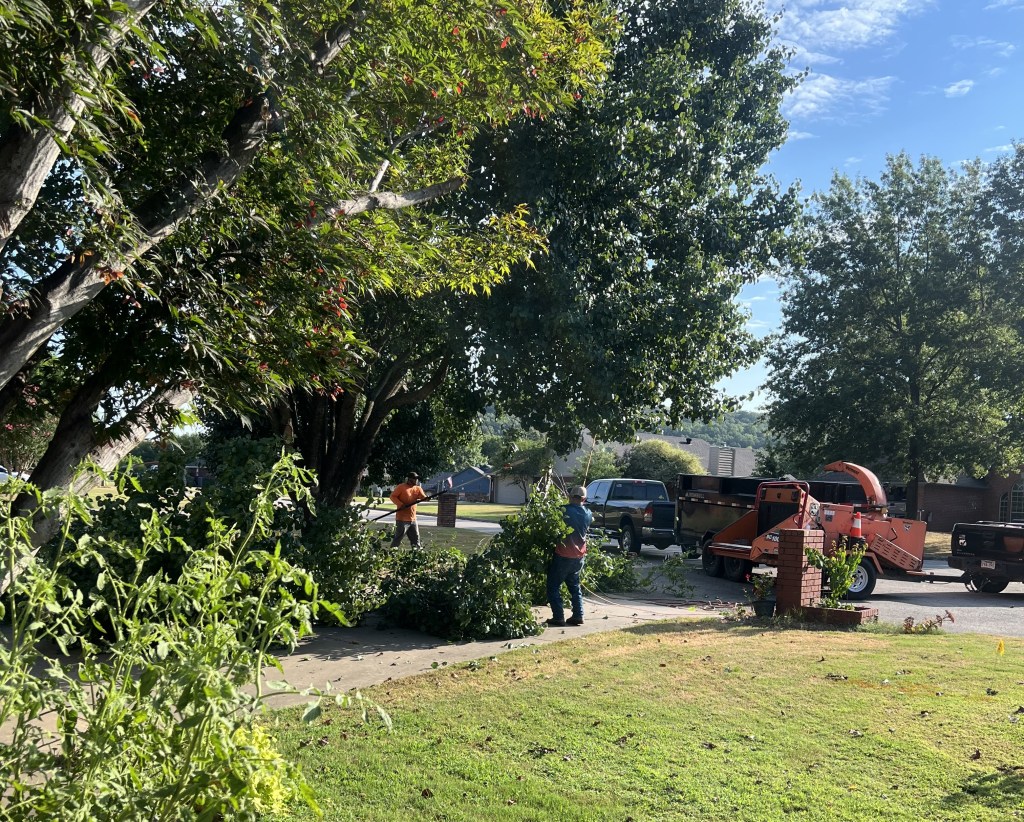
Both the arborist and the fence man showed up at the same time today.  While they were working in the same area of the yard, they did not seem to interfere with each other.  The tree came down in a matter of hours (not my days) and the limbs were either ground or stacked in 15-inch (38cm) lengths to be used as firewood when we go camping.  The fence took a little longer.  It needed two posts removed and another set.  This shortened the total area but allows for a 12.5-foot (3.8 m) entrance.  That is enough to safely drive my 10 foot (3 m) wide motor home through the gate and park it in an enclosed area.  As I said, one decision often leads to several others. 

THOUGHTS: One of the reasons people call an arborist is the perceived risk of death by falling trees.  This is influenced by media and often hyped, and the risk has been reported to be close to 1:10,000,000, or almost as low as death by lightning.  Trees in urban green spaces and their careful conservation are sometimes in conflict with aggressive urban development, despite how urban trees contribute to livability of suburbs and cities objectively (reduction of urban heat island effect, etc.) and subjectively.  Tree planting programs implemented by a growing number of organizations and cities are mitigating the losses and often increasing the number of trees in suburbia.  This includes planting 2 trees for every 1 tree removed or paying landowners to keep trees instead of removing them.  Each tree absorbs about 55 pounds (25 kg) of C02 annually.  My two fruit trees help replace the one Bradford pear (Pyrus calleryana).  Act for all.  Change is coming and it starts with you.
Hadal

August 04, 2025

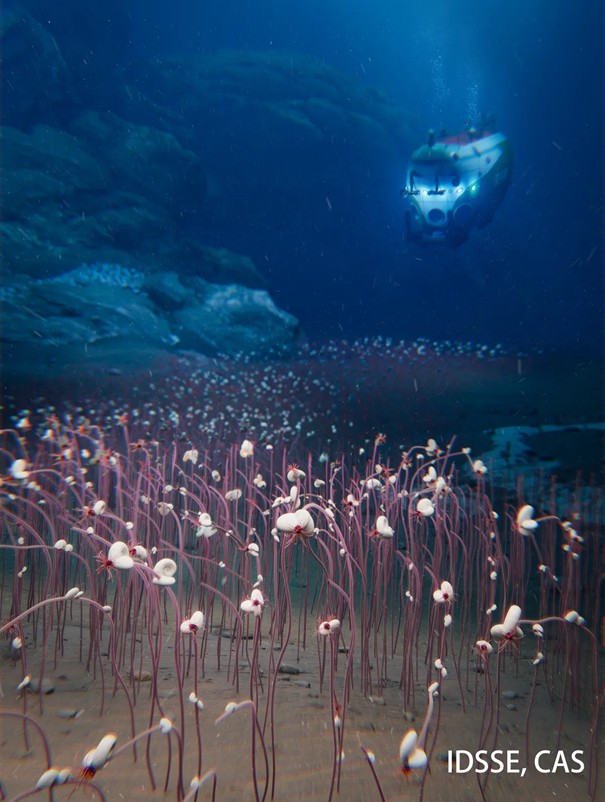
Inside the front section of Friday’s newspaper was a Reuters article about a new discovery in the northwest Pacific.  Thriving communities of marine creatures turn chemicals into energy rather than eating organic matter.  These chemosynthesis-based animal communities were dominated by tube worms (Riftia pachyptila) and clams (genus, Spisula) and were found during a series of dives aboard a crewed submersible to the bottom of the Kuril-Kamchatka and Aleutian trenches.  The creatures are beyond the reach of sunlight and are nourished by fluids rich in hydrogen sulfide and methane seeping from the seafloor.  These ecosystems were discovered at depths greater than Mount Everest (29,032 feet/8849 meters).  The deepest ecosystem was 31,276 feet (9,533 m) below the ocean surface in the Kuril-Kamchatka Trench, or 25% deeper than such animals had previously been documented.  The research was published on Wednesday in the journal Nature.  Marine geochemist Mengran Du of the Institute of Deep-sea Science and Engineering, said, “What makes our discovery groundbreaking is not just its greater depth – it’s the astonishing abundance and diversity of chemosynthetic life we observed.”  The discovered ecosystems exist in the hadal zone.

When I went online, I found the hadal zone, or hadopelagic zone, is the deepest region of the ocean found only within the oceanic trenches.  The hadal zone ranges from around 3.7 to 6.8 miles (6 to 11 km) or 20,000 to 36,000 feet below sea level, in the long, narrow, topographic V-shaped depressions.  The cumulative area occupied by the 46 individual hadal habitats worldwide is less than 0.25% of the world’s seafloor, but the trenches account for over 40% of the ocean’s depth range.  Most hadal habitat is found in the Pacific Ocean, the deepest of the conventional oceanic divisions.  The deepest ocean trenches are considered the least explored and most extreme marine ecosystems and are characterized by a complete lack of sunlight, low temperatures, scarce nutrients, and extremely high pressure exerted on an immersed body (hydrostatic pressures).  The major sources of nutrients and carbon are fallout from upper layers, drifts of fine sediment, and landslides.  Most organisms are scavengers and animals that subsist on decomposing plants and animal parts (detrivores).  As of 2020, over 400 species are known from hadal ecosystems, many of which possess physiological adaptations to the extreme environmental conditions.  There are high levels of a species being found in a single defined area (endemism).

While some marine animals have been documented at even greater depths, (36,000feet/11,000 m) below the surface in the Pacific’s Mariana Trench, those were not chemical eaters.  In the new research, scientists used their submersible (the Fendouzhe) to journey down to the hadal zone.  The hadal zone is where one of the continent-sized plates that make up Earth’s crust slides under a neighboring plate in a process called subduction.  Marine geologist and study co-author Xiaotong Peng, said this environment harbored “the deepest and the most extensive chemosynthetic communities known to exist on our planet.”  The newly observed ecosystems were dominated by two types of chemical-eating animals.  Tube worms that were red, gray or white in color and around 8 to 12 inches (20-30 cm) long and clams that were white in color and up to 9 inches (23 cm) long.  Some of these appear to be previously unknown species.

THOUGHTS: Even in the harsh environment of the hadal zone life has found a way of surviving and thriving.  Some non-chemical-eating animals were also found living in these ecosystems.  The study illustrates how life can flourish in the most extreme conditions on Earth (and beyond?).  This makes it possible (even probable) that exploration will find life on Earth is not alone.  The question will be how we handle the discovery.  Act for all.  Change is coming and it starts with you.
Corn Sweat

July 23, 2025

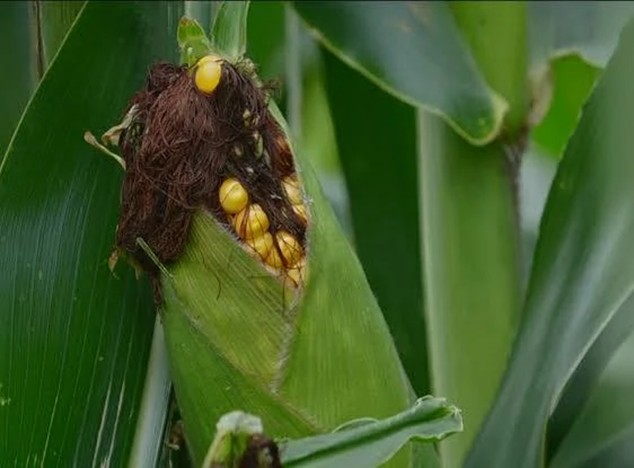
Hidden in the back of today’s local newspaper was a USA Today article about the heat and humidity pushing up the heat index.  This is typical during mid-summer, especially in the wetter eastern half of the US.  Bob Oravec, lead forecaster at the National Weather Service’s (NWS) office in College Park, Maryland, says it is unlikely to break records, but it can be dangerous.  On Monday the heat and humidity were centered over the Southeast and along the Gulf Coast.  By midweek, they moved northward along the Mississippi Valley and up into the Midwest, then shift toward the Mid-Atlantic and Northeast by the end of the week.  Highs are expected to be 95F to 100F (35C to 38C), but the humidity will make it feel closer to 110F (43C) in some areas.  This places most of the eastern US in the “major” Heat Risk category, an NWS classification that incorporates heat, humidity, and data on heat-related hospitalizations.  Pockets will be in the highest “extreme” category on the four-category scale.  Part of the reason for the humidity is that the wet weather pattern has saturated everything, causing more evaporation from soil and transpiration from plants.  This is particularly true in the Midwest, where huge fields of corn, soybeans, and other crops release moisture as the temperature climbs.  This is akin to how humans sweat in the heat and is nicknamed “corn sweat.”

When I went online, I found corn sweat is scientifically known as transpiration, the process of water movement through a plant and its evaporation from aerial parts, such as leaves, stems and flowers.  This is a passive process that requires no energy expense by the plant.  Transpiration also cools plants, changes osmotic pressure of cells, and enables mass flow of mineral nutrients.  When water uptake by the roots is less than the water lost to the atmosphere by evaporation, plants close small pores called stomata to decrease water loss, which slows down nutrient uptake and decreases CO2 absorption from the atmosphere by limiting metabolic processes, photosynthesis, and growth.  In growing season, an acre of corn gives off about 3,000 to 4,000 US gallons (11,000 to 15,000 liters) of water each day.  A large oak tree can transpire 40,000 US gallons (150,000 liters) per year.  Crop plants transpire 440 to 2200 pounds (200 to 1000 kg) of water for every 2.2 pounds (1 kg) of dry matter produced.  Roughly 95.3 million acres (38566541.7 ha) are planted with corn and soybean in the Midwest, representing approximately 75% of the region’s total agricultural land.

In Iowa, corn sweat releases 49 to 56 billion gallons (185,212 billion liters) of water each day.  The NWS said that it can add 5 to 10 degrees to the dew point, a measure of humidity, on a hot summer day.  Illinois boasts about 12 million acres (4,856,227.7 ha) of corn, that sweats up to 48 billion gallons (181.7 billion liters) of water daily.  The weather service in Chicago is warning that the heat index in Illinois could reach 115F (46.1C) by July 23-24.  Corn sweat will only add to the misery.  Iowa state climatologist Justin Glisan said, “Of course, there’s a local contribution from corn/bean transpiration which can add additional low-level moisture and exacerbate dew points.”  Weather patterns contribute more to the heat and humidity in the Midwest than corn sweat, which he said is “a more local or smaller-scale effect”. 

THOUGHTS: While corn sweat might make summer days feel more oppressive, it is a sign of healthy crops.  Evapotranspiration is essential for plant growth and helps crops reach their full potential.  Once the harvest begins, corn sweat is eliminated.  I had a summer job at a lake in the heart of Kansas corn country (7th largest producer in US).  While the humidity averages in the mid-60’s, we joked about the temps being “100 degrees and 100 percent humidity”.  The advantage of working at the lake meant whenever it got too unbearable, we jumped into the lake to cool off.  Not everyone is so lucky.  Act for all.  Change is coming and it starts with you.
Pestalotiopsis

June 20

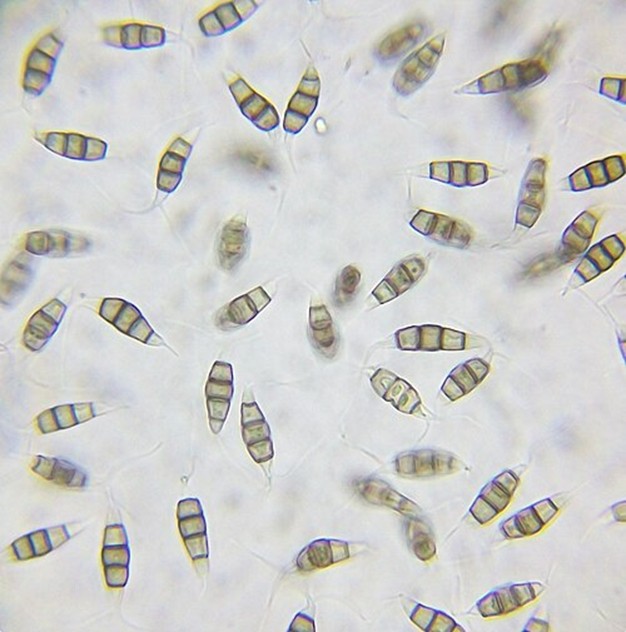
In the middle of the back section of my local newspaper was a Reuters article on the discovery of a fungi that can break down the plastic found in landfills.  The discovery has launched a startup in Austin, Texas, which will sell disposable diapers paired with the fungi intended to break down the plastic.   Tero Isokauppila co-founded Hiro Technologies which now sells online “diaper bundles”.  Three sealed jars at the company’s lab show the stages of decomposition of the treated diaper overtime.  By 9 months the product appears as black soil.  The diapers the fungus attacks contribute significantly to landfill waste.  The Environmental Protection Agency says an estimated 4 million tons (907,000 metric tonnes) of diapers were disposed of in the US in 2018 with no significant recycling or composting.  It takes 100’s of years for the diapers to break down naturally.  Each of the Myco-Digestible Diapers comes with a packet of Pestalotiopsis microspore fungi which is added to the dirty diaper before it is thrown into the trash.

When I went online, I found Pestalotiopsis microspora is a species that lives within a plant for at least part of its life cycle without causing apparent disease (endophytic).  The fungus can break down and digest polyurethane (plastics).  Pestalotiopsis was originally described from Buenos Aires, Argentina in 1880 in the fallen foliage of common ivy (Hedera helix) by mycologist Carlo Luigi Spegazzini, who named it.  Pestalotiopsis also causes leaf spot in Hypericum ‘Hidcote’ (Hypericum patulum) shrubs in Japan.  The species polyurethane degradation activity was only discovered in the 2010’s in two distinct strains isolated from plant stems in the Yasuni National Forest within the Ecuadorian Amazon rainforest.  This was a discovery by a group of student researchers led by molecular biochemistry professor Scott Strobel as part of Yale’s annual Rainforest Expedition and Laboratory.  It is the first fungus species found to be able to subsist on polyurethane in low oxygen (anaerobic) conditions making the fungus a potential candidate for bioremediation projects involving large quantities of plastic.

The Pestalotiopsis fungi evolved to break down the lignin compound found in trees.  Isokauppila said the carbon backbone of the compound is very similar to the backbone of plastics.  Lignin is a class of complex organic polymers that form key structural materials in the support tissues of most plants.  Lignin is particularly important in the formation of cell walls, especially in wood and bark, because it lends rigidity and does not rot easily.  Most fungal lignin degradation involves secreted peroxidases.  Fungal laccases are also secreted, which aid degradation of phenolic lignin-derived compounds.  An important aspect of fungal lignin degradation is the activity of accessory enzymes to produce the hydrogen peroxide (H2O2) required for the function of lignin peroxidase.  More research is required to see how Pestalotiopsis will decompose in real world conditions.  That data should enable the company to make a “consumer-facing claim” by next year.  Hiro Technologies plans to experiment with the plastic eating fungi on adult diapers, feminine care products, and other items.

THOUGHTS: When my son was born the reaction of Pestalotiopsis on plastics was unknown.  I decided to avoid the waste of disposables by using cloth diapers.  While his mom agreed, it was my job to take care of the mess and cleaning required by the diaper pail.   There has been a resurgence of interest in cloth diapers recently among environmentally and financially conscious new parents.  While disposable diapers remain popular, a growing number of families are choosing to use cloth diapers.  This shift is driven by environmental concerns, cost savings, and improved cloth diaper designs.  The cost of the fungi diaper packs is not cheap (neither are the disposables), but it could make a significant difference environmentally.  Act for all.  Change is coming and it starts with you.
Beavers 3

April 22, 2025

© Pavel Mikoska/Shutterstock

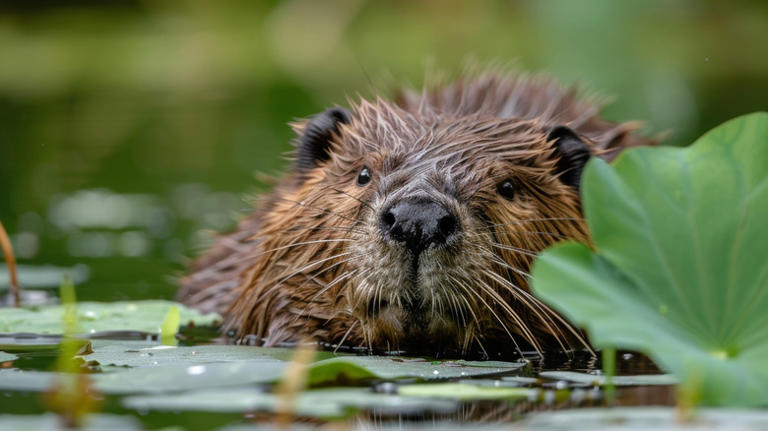
My MSN browser provided an update to the ongoing saga of a family of beavers in Northern California.  On a 2,325-acre valley in Northern California named Tásmam Koyóm, conservation efforts are underway to reintroduce beavers (Castor canadensis) after a nearly 75-year absence.  The result has been an explosion in population.  The beaver family in Tásmam Koyóm is one part of the continued efforts in California.  The state released a family of seven on June 12, 2024, at nearby South Fork Tule River, marking the first time the beaver had homed in the region in over a century.  The Tásmam Koyóm family has had a year and a half to get used to the new environment and are thriving, with two litters of kits and one of the beavers finding a mate in the wild.  The California Department of Fish and Wildlife says population growth offers a chance for beavers to thrive again. The species is endemic to Northern California, but its population was decimated by the fur trade in the 1800’s with numbers dwindling to fewer than a thousand by 1912.  The beaver is not only beginning to make a comeback, but it can also protect the landscape from wildfire threats.

When I went online, I found California has been affected by thousands of wildfires between 1987 and 2023.  The Palisades Fire began burning in the Santa Monica Mountains of Los Angeles County on January 7, 2025, and grew to destroy large areas of Pacific Palisades, Topanga, and Malibu before it was fully contained on January 31, 24 days later.  The fire was driven by hurricane-force Santa Ana winds and burned 23,448 acres (9,489 ha), killed 12 people, and destroyed 6,837 structures.  The fire was the tenth deadliest and third-most destructive California wildfire on record and the most destructive to occur in the history of the city of Los Angeles.  While the wildfire-prone area requires a multifaceted approach to future prevention, the recent reintroduction of beavers across the state could help.

The beavers come into play as they naturally create and maintain wetland environments.  Beaver dams have been mimicked in conservation efforts with volunteers creating Beaver Dam Analogues (BDA) to help bring water to drought-prone areas.  The state’s largest (real) beaver dam was over 320 feet (97.5 m) long before it was consumed in a wildfire in 2021.  One of the groups of the Tule River beavers began building off a BDA, strengthening the man-made dam already there.  Conservation efforts for the beaver help prevent wildfires and benefit the region’s wildlife, from the long-lived Desert Tortoise (Gopherus agassizii) to the state bird, the California quail (Callipepla californica).  The beavers’ explosive growth has given rise to the title of “Swiss army knife” of the animal kingdom for its utility.  The Tásmam Koyóm beaver family should be a rallying cry for more conservation as well as a case study of how important it is to protect ecosystems to the benefit of every living creature.  

THOUGHTS: The International Union for Conservation of Nature lists over 47,000 species as threatened with extinction.  Success stories like the Tule River beavers provide a cause for celebration.  Another family of beavers have taken up living in Alhambra Creek in downtown Martinez, California.  A male and female beaver arrived in Alhambra Creek in 2006 and proceeding to produce 4 kits over the course of the summer.  After the city decided to exterminate the beavers, local conservationists formed an organization called Worth a Dam which got the decision overturned.  Subsequently, wildlife populations have increased in diversity along the Alhambra Creek watershed.  Living in proximity to wildlife can be beneficial, if humans take time to figure out how to create a symbiotic relationship.  Act for all.  Change is coming and it starts with you.
Barrier

April 19, 2025

My MSN browser reported on a recent discovery in Australia on the region’s marine life.  The research was published in Science Advances and shows how marine dynamics could have far-reaching implications for understanding the resilience of oceanic ecosystems.  Research found that the Marine reserves on the Great Barrier Reef outperformed expectations, with fish densities two to three times higher than in zones where fishing is allowed.  This is especially true for the leopard coral grouper (Plectropomus leopardus), or coral trout, which is a key species for both biodiversity and commercial fisheries.  The sanctuaries serve as critical breeding grounds where the fish grow larger and produce more offspring.  The baby fish then migrate to fishing zones, maintaining catch levels without depleting stocks.  Researchers found that even though the reserves make up less than a third of the Great Barrier Reef, about 55% of all coral trout reproduction and 47% of the total catch across the reef originates from these protected areas.

When I looked online, I found the Great Barrier Reef is the world’s largest coral reef system.  The system is composed of over 2,900 individual reefs and 900 islands stretching for over 1,400 miles (2,300 km) over an area of approximately 133,000 miles2 (344,400 km2).  The reef is in the Coral Sea, off the coast of Queensland, Australia, separated from the coast by a channel up to 100 miles (160 km) wide and over 200 feet (61 m) deep.  The Great Barrier Reef can be seen from outer space and is the world’s largest single structure made by living organisms.  The reef is composed of and built by billions of tiny coral polyps (phylum Cnidaria, subphylum Anthozoa) and supports a wide diversity of life.  The reef was selected as a World Heritage Site in 1981, and CNN labelled it one of the Seven Natural Wonders of the World in 1997.  Australian World Heritage places included it in its list in 2007 and the Queensland National Trust named it a state icon of Queensland in 2006.

The study used an innovative mix of fish surveys, genetic testing, ocean current modeling, and reef mapping to pull together decades of data.  Researchers found the benefits of marine reserves extend far beyond their boundaries.  Nearly 95% of reefs receive at least 30% of their baby fish from reserves, and 93% of fished reefs get at least 30% of their catch from protected areas, demonstrating the far-reaching impact of conservation strategies.  As fish from protected areas travel and repopulate nearby reefs, the entire ecosystem becomes more resilient.  Michael Bode, of the QUT School of Mathematical Sciences, said, “By protecting fish populations within these no-take zones, we not only safeguard biodiversity but also guarantee that there will be a new generation of fish on the reefs that are open to fishing.”  Environmental pressures on the Barrier Reef come from runoff of human made pollutants, climate change (mass coral bleaching), dumping of dredging sludge, and cyclic population outbreaks of the crown-of-thorns starfish.  The reef has lost more than half its coral cover since 1985.

THOUGHTS: This recent study of the protected areas in the Great Barrier Reef shows the synergy between conservation and economic security.  By ensuring that fish populations remain healthy and abundant, marine reserves support sustainable fishing practices, helping local fishers and coastal communities maintain their livelihoods without compromising long-term ocean health.  The Australian government is investing millions into reef protection and this study offers evidence that marine conservation is not at odds with economic growth.  While some consider such government-funded studies to be frivolous, they can guide better practices to benefit the economy and natural ecosystems.  Sticking your head in the sand or ignoring problems has never proven to be viable for long-term growth.  Act for all.  Change is coming and it starts with you.
Recapture

December 23, 2024

Ariana Gomez for The New York Times

Back in 2022 I blogged on growing battle surrounding carbon recapture in the US’s Mississippi River Chemical Corridor, commonly known as Cancer Alley. While critics acknowledged the process worked, they objected to the pollution caused by the facility itself, and the energy required to power the equipment. Today, my NY Times feed reported that more than 2 years later over 1,000 big companies have pledged to eliminate their carbon emissions over the next few decades, and part of those efforts came from paying for carbon dioxide removal. During 2024, Microsoft, Google, and British Airways were among the companies that committed a total of US$1.6 billion to purchase carbon removal credits. This is up from less than US$1 million in 2019, and it is believed this will grow to US$10 billion during 2025, and reach US$1.2 trillion by 2050. While huge sums of money are being dedicated to the emerging field, these projects will not have a meaningful effect on global temperatures anytime soon. There are only a few dozen operational facilities today that capture only a trace of carbon emissions. It is estimated that if 100’s of more such plants were built it would only recapture about 1% of the worlds annual carbon dioxide emissions.

When I looked online, I found that while there are several ideas for geoengineering plans and technologies designed to cool the planet, carbon dioxide recapture is attracting the big money. Investors believe while this will have a negligible short term impact on temperatures, it will begin to make a difference as emissions fall and the technology becomes more powerful. While some carbon polluters have committed to reducing carbon emissions, more are opting to continue to pollute and instead paying for carbon recapture credits. The US government is supporting the recapture movement through the Inflation Reduction Act that has tripled tax credits for capture and storage of carbon directly from the atmosphere. This 2021 bipartisan bill included US$3.5 billion to build four demonstration projects.

Pulling greenhouse gases out of the air is expensive and currently costs as much as US$1,000 per ton to capture and sequester carbon dioxide. Analysts say the price would need to drop to US$100 a ton for the industry to be viable. Damien Steel, chief executive of the carbon recapture firm Deep Sky, says, “This isn’t a market. A market means liquidity, repeatability, standards. We have none of that here.” As the NY Times reported, the industry is still creating a form of gold rush as investors readily fund new companies hoping that some of their bets will pay off. Many scientists and activists say the most effective way to combat global warming is to rapidly phase out oil, gas, and coal, as it is the burning of these fossil fuels which heat the planet. Former Vice President Al Gore, co-founder of Climate Trace, said, “We need to obey the first law of holes. When you’re in one, stop digging.”

THOUGHTS: Carbon recapture is only the latest technological innovation humans employed to try and resolve a problem of our own making. As an archaeologist the irony was not lost on me that I was digging through the trash dumps that the next culture had buried as they created a new living space on the remains of the past. When the pollution became too great, people would move to the next pristine site and begin again. The problem now is the pristine places are diminishing, and the polluted locations are broadening. This is particularly evident as our land, water, sea, and air are polluted on a globalized scale. If we do not “stop digging” our holes, the earth will be left for the next interplanetary archaeologists to dig. Act for all. Change is coming and it starts with you.