
November 04, 2025
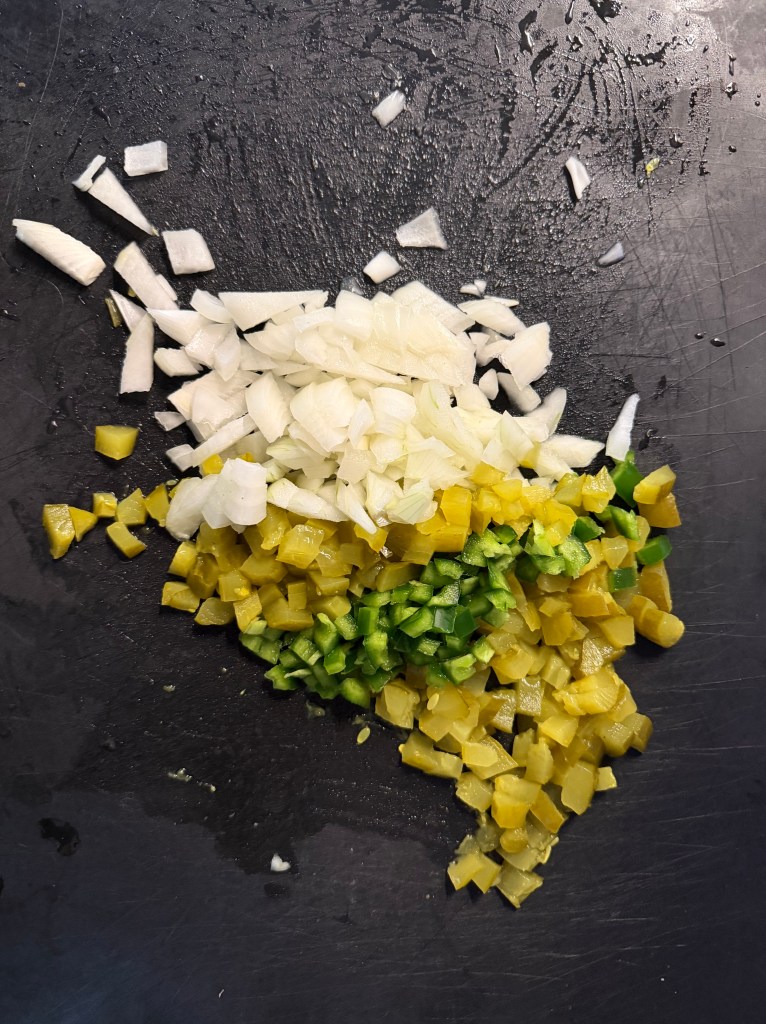
I was surprised when I walked through my local grocery store last week to see how many shelves were either light or empty. We have had several runs on food over the last several years between covid, supply chain shortages, and tariffs. The government shutdown is the latest (presumed) cause of the shortage. Food subsidies like the US Department of Agriculture’s Supplemental Nutrition Assistance Program (SNAP) and the Women’s, Infants, Children (WIC) program were slated to lose funding on November 1. Apparently, some were using the last of their monthly paychecks to purchase food while it was still available (affordable?). You can imagine my surprise when I walked by the cheese and deli meat cold case to find new stocked items. The cold case displayed Pickle de Gallo in mild, medium, and hot.
When I went online, I found the Pickle de Gallo, also known as pickle salsa, is packaged by Grillo’s Pickles who is owned by King’s Hawaiian (as of April 2021). The company was founded by Travis Grillo in 2008 and developed the idea from a pickle cart on the Boston Common using a 100-year-old family recipe. The biggest difference between fresh and non-refrigerated shelf pickles (Cucumis sativus) is pasteurization. Grillo’s are made through a “fresh pickling” process using vinegar as the main active agent and are neither fermented nor pasteurized. This means they need to be kept at refrigerated temperatures to ensure both quality and freshness are maintained. Eddie Andre, director of brand experience at Grillo’s Pickles says, “If you see the top of the lid domed up or bubbled, this typically means the product has fermented and gone bad.” Jarred pickles can remain unopened in the fridge for years. Even after they are opened, they are still good for up to two years in the refrigerator. Since fresh pickles aren’t pasteurized, they should be eaten within 75 days.
The Pickle de Gallo recipes I found were almost identical to the Pico de Gallo I have made every year since I started my garden five years ago. This is usually made from early tomatoes (Solanum lycopersicum) and jalapeño peppers (Capsicum annuum). This year I did not get an early crop, with almost no peppers and only enough tomatoes to make my pasta sauce (along with the green tomato Salsa Verde). The difference between Pico and Pickle de Gallo is substituting pickles for tomatoes. Chop the pickles jalapenos and onion (Allium cepa) into small pieces and mix in cilantro paste (Coriandrum sativum) and lime (Citrus aurantiifolia) juice. I did not use spices as my canned dill pickles already had spices and garlic (Allium sativum). The directions said to refrigerate the Gallo for at least 30 minutes to let the flavors mix. I tried some with a chip and it was good (but different).
THOUGHTS: Melissa is not a pickle fan and was not thrilled with the Pickle de Gallo. I used an entire pint jar from my canning pantry (11 jars left). The dills are good, but the storebought spice mixture is too salty for me and I wash the pickles before I eat them. The advantage of making your own pickling mixture is you know what is in the brine. I will probably make at least one more jar of the Pickle this year. Even canned, pickles do not last forever once they are opened. I enjoy trying new dishes made from the produce from my garden and the Pickle de Gallo is another way to use my crop. Some of the dishes were excellent, and all were edible. Approximately 40% of the food produced in the US is wasted, occurring at every stage of the food supply chain (from farm to home). A large portion ends up in landfills and generates powerful greenhouse gas (methane). The waste is compounded by the fact that 41 million Americans face food insecurity. It reminds me of the sign at a buffet, “Take all you want, but eat all you take”. We need to find ways to avoid wasting food and getting it to those in need. Act for all. Change is coming and it starts with you.
 A travelers odyssey