
June 08, 2026
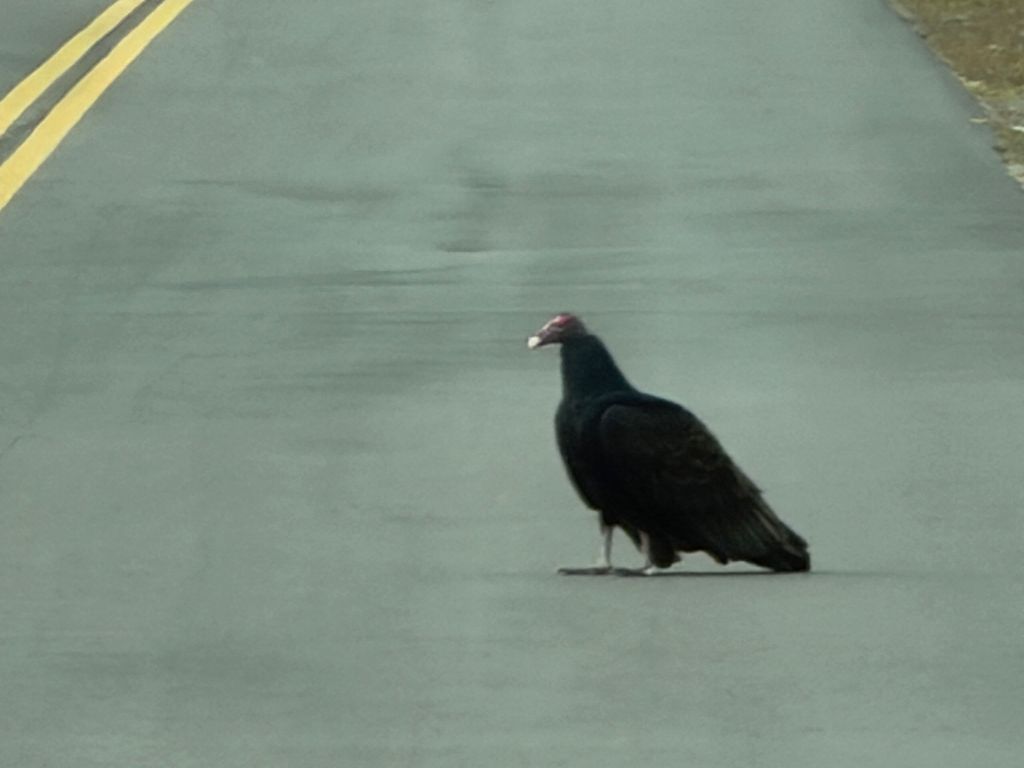
Researchers at the University of Florida (UF) say invasive Burmese pythons (Python bivittatus) in the Everglades are facing an unexpected new threat. A newly published UF study found that Black vultures and Turkey vultures have become significant predators of python eggs. Motion-activated cameras are capturing the birds digging into nests and consuming eggs while mother pythons temporarily left to bask in the sun. Scientists said the findings could help explain why the rapidly growing python population has not expanded even faster across South Florida despite the reptiles having few natural predators in the region. The study documented vultures destroying nearly half the eggs in monitored nests, raising hopes that native scavengers may be adapting to help naturally suppress the invasive species. Researchers said Burmese pythons have devastated native wildlife populations in the Everglades by preying on mammals, birds and reptiles since becoming established in Florida decades ago. The findings, published in the journal Reptiles & Amphibians, suggest that native wildlife may be adapting to exploiting the destructive, invasive python as a food source.
When I went online, I found vulture refers to a bird of prey that scavenges on carrion. There are 23 extant species of vulture (including condors). Old World vultures include 16 living species native to Europe, Africa, and Asia while New World vultures have 7 species and are restricted to North and South America. Old and New World vultures are not closely related, and their resemblances in similar form or function are not present in the last common ancestor of those groups (convergent evolution). A characteristic of many vultures is a bald, unfeathered head believed to keep the head clean when feeding. North America has three species of vulture. The Turkey Vulture (Cathartes aura) is across the US and South America and is moving north into Canada. The Black Vulture (Coragyps atratus) lives in southeastern US states and into Mexico. California condor (Gymnogyps californianus) is the largest North American land bird. The species became extinct in the wild in 1987 when all remaining wild birds were captured but has been reintroduced to northern Arizona and southern Utah, the coastal mountains of California, and northern Baja California in Mexico.
Researchers stumbled on four vultures eating python eggs in the dense underbrush of the Francis S. Taylor Wildlife Management Area in Broward County, Florida. This is the first documented case of a native Florida bird preying on an invasive python nest. The event occurred in 2023 but was not published until this year. The researchers used a “scout snake” with a radio transmitter to locate the nest and were coming to collect the eggs. The vultures fled the nest when approached and could not be identified as Black or Turkey vultures. The only other documented case of predation on python eggs was in 2021 when a trail camera captured a bobcat eating python eggs in Florida’s Big Cypress National Preserve. There is a precedent for native animals learning to consume invasive species. The Everglades snail kite (Rostrhamus sociabilis) was near extinction when it started eating an invasive snail that is larger than the native snail the birds typically ate, resulting in a rapid microevolution to have larger beaks to be more adept at digging into the larger snail.
THOUGHTS: Growing up in Kansas I saw many a Turkey Vulture, but it was not until we moved to Arkansas that I became aware of the Black Vulture. The two species are often together fighting over carrion or swarming the skies. The Turkey Vulture has a smaller red head and can find carrion with its excellent eyesight or with its sense of smell, while the Black Vulture has a black head and can only find its food visually. While humans may appear divergent, we are all the same species. We need to try and behave like it. Act for all. Change will come and it starts with you.

