
November 10, 2026
MOHD RASFAN/AFP VIA GETTY IMAGES FILE
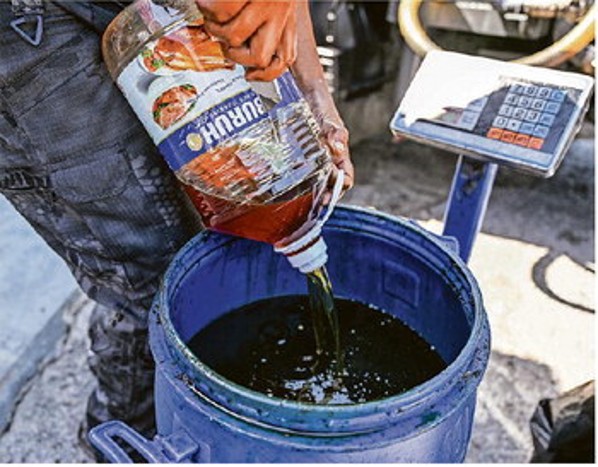
The front page of yesterday’s local newspaper carried a USA Today article about trash being turned into treasure. Federal prosecutors recently described an interstate criminal enterprise with secret warehouses, money laundering, and stolen goods transported across state lines. The mid-September announcement stated that 19 defendants faced charges. Two had just pleaded guilty while 17 are set for trial in April. According to prosecutors, members of the group drove trucks to restaurants in 10 states, siphoned used cooking oil from collection tanks and transported it to depots for resale. Used cooking oil can be refined into biodiesel which has enough value to spark a large-scale criminal operation. The author of the article, Edward Melillo, is an environmental historian who studies how societies transform nature into commodities and is interested in the reverse of the process or converting discarded materials into things of value. Historians, anthropologists and geographers have long recognized that “waste” is a category defined by humans. Waste describes a material’s status, not necessarily its substance.
When I went online, I found that waste is unwanted or unusable materials. The Cambridge Dictionary definition for waste includes “unwanted matter or material of any type”. Waste includes any substance discarded after primary use, or is worthless, defective, and of no use. Waste differs from a by-product which is a joint product produced but has relatively minor economic value. Examples include municipal solid waste (household garbage), hazardous waste, wastewater (such as sewage, which contains bodily wastes (feces and urine) and surface runoff), and radioactive waste, to name a few. A waste product may become a by-product, joint product, or resource through an invention that raises a waste product’s value above zero. Waste management or disposal includes the processes and actions required to manage waste from its inception to its final disposal. This includes the collection, transport, treatment, and disposal of waste, together with monitoring and regulation of the waste management process and waste-related laws, technologies, and economic mechanisms. Management approaches and practices are not the same across countries (developed and developing nations), rural and urban areas, and residential and industrial sectors.
Used cooking oil seems like an almost perfect example of recycling waste. Refiners turn discarded oil and other waste fats into transportation fuel, creating additional value from crops already grown and oils that have already served their original purpose. Because fuels made from used cooking oil can qualify for financial incentives unavailable to some virgin oils, demand has occasionally pushed prices for used oils above those of newly produced vegetable oils. Generating new uses for discarded matter does not eliminate the politics of waste and it can intensify them. Stolen used cooking oil offers a useful way to think about this problem. The fats and oils did not physically change when thieves siphoned them out. What changed was their status and their value. This is one paradox at the heart of the history of waste. Matter is never worthless, but assigning it a price does not necessarily make its environmental and social costs disappear.
Thoughts: My son drove a biodiesel bus during the 2000’s for a wilderness leadership company that relied on syphoned restaurant oil waste. They sought out purer vegetable oils from Asian restaurants that were not tainted by frying meat. This saved the restaurant from paying for hauling the waste for disposal and filled the bus fuel tank. The phrase “one man’s trash is another man’s treasure” is a traditional English proverb with no single known author. The underlying idea is value is subjective and differs from person to person and culture to culture. We no longer have the luxury of throwing away waste without looking for alternatives. Act for all. Change is coming and it starts with you.

