
May 29, 2026
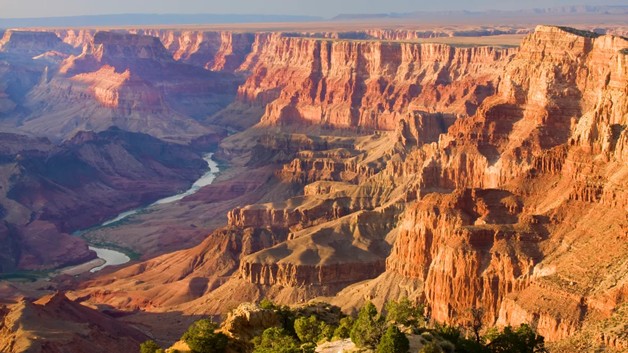
Getty Image
Melissa and I took two long trips this Spring in the RV. We took two trips last Fall to begin RVing. Both trips were less than 100 miles (161 km) and consisted of three days during the middle of the week. We did not pull a vehicle (“toad”) on the first trip and any missed items we went without. We towed the Jeep the second time and were able go into town pick up needed items, including a hose extension for water. We thought we had worked out the kinks and left in February on a 1100-mile (1770 km), 2-1/2 week trip to Florida, but struggled keeping the toad battery charged and had to buy a sewer extension. We thought we solved the battery issue during the week home before we left in March for a 1200-mile (1931 km), 3-week trip to Arizona. We did not. Every time we left the toad attached overnight it still ran down the battery. To top it off, the city water connection valve stripped and we could not connect to the camp hoses. We had planned on stopping at the Grand Canyon, but our main sights were set on my old stomping ground in Utah, so we powered on by.
When I went online, I found a canyon forms by a combination of flowing water, tectonic uplift, and weather acting on the earth’s surface over millions of years. The process of canyon formation often begins with downcutting as rivers and streams carve deep, steep-sided valleys into the earth’s bedrock. The rushing water uses gravel, sand, and rocks it carries like liquid sandpaper to grind away the rock beneath its flow. For massive, deep canyons to form, the ground beneath the river must be pushed upward by shifting tectonic plates (tectonic uplift). This uplift makes the river steeper, increasing its speed and cutting power. Weathering and erosion are the third force acting to create a canyon. Rainwater seeps into cracks in the rock, where it freezes, expands, and breaks the rock apart. Wind, flash floods, and rockslides further widen the canyon walls and wash the debris downstream, preventing the valley from simply becoming a flat slope. All three processes occur simultaneously, and when you add the dimension of time you get a canyon.
It was appropriate that after missing a tour of the Grand Canyon that an article on how it was formed appeared in a USA Today article in our local newspaper several weeks after we returned. A study published April 16 in the journal Science provides one answer to the mystery. According to the study, the Colorado River did not always flow through the canyon and instead began to carve its path around 5.6 million years ago after an ancient lake overflowed. Ryan Crow, co-author and researcher with the US Geological Survey, said scientists have known the river existed 11 million years ago in western Colorado and that it did not exit through the Grand Canyon until after 5.6 million years ago. The mystery was where did it go? Crow said the study tested the idea that the river flowed into the Bidahochi basin in northeastern Arizona. Sand deposits in the ancient lake showed a clear Colorado River signature, indicating the river flowed into the lake. As the lake rose, a spillover became the primary process that established the river’s course through the (emerging) canyon. About two million years later the lake no longer existed and the Colorado River system was fully born.
THOUGHTS: My son and I went to the south rim of the Grand Canyon when he was a child. We did not take the day long hike/mule ride to the bottom but were able to peer into its massive depths. Our takeaway from our two RV trips was that we needed to be more leisurely when we travel. We missed quite a few historic/archeological features because we felt pressed to reach our reserved campground. We assumed if we did not reserve sites, we would not have a place to stay. While that was true for the state parks, every commercial park where we stayed had open spaces. In Europe we took time to “see stuff”, but at home we did not. Do not regret taking time to enjoy the wonder of where you are. Act for all. Change will come and it starts with you.

